
Diseases
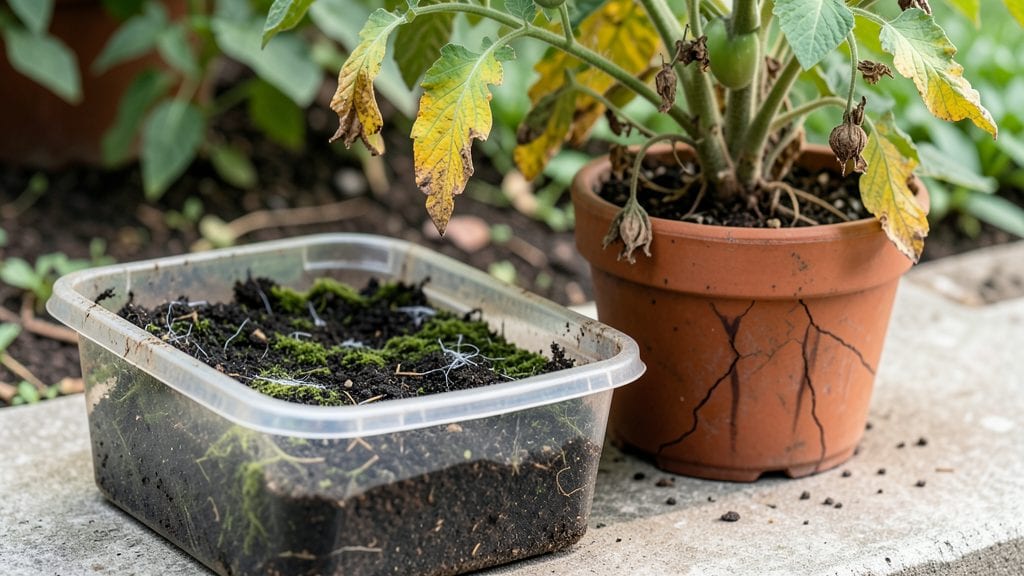
My garden center mold nightmare ended when I finally cracked the code—fungus-free plants start with three targeted steps that cut down on that musty smell and save your inventory.
The problem isn’t just ugly; it’s costly, killing seedlings before they even sprout and spreading faster than you’d think in damp corners or crowded benches. I’ve seen $500 worth of stock ruined in a week when humidity crept above 70% and airflow vanished.
Here’s the game-changer: a 3-step routine that takes less than 20 minutes a week—spraying surfaces with a vinegar-water mix, rearranging plants to boost airflow, and removing any moldy soil or debris immediately.
No fancy tools, no toxic chemicals, just the basics that actually work. The key is consistency, not just one deep clean when you notice the problem.
You’ll notice the difference in 48 hours: fewer fuzzy spots on leaves, no more wilting seedlings, and a space that smells fresh instead of stale. The plants themselves grow stronger, too, because mold drains their energy.
Plus, your customers will notice—and that’s when you’ll hear the real win: “Wow, your plants look healthier than anywhere else!”
Works for both indoor nurseries and outdoor plant sales areas, though outdoor spots need extra vigilance after rain. The same principles apply whether you’re dealing with a small home greenhouse or a commercial garden center. Let’s get that mold under control for good.
The Hidden Triggers Behind Plant Mold
Mold in garden centers isn’t just an unsightly nuisance—it’s a silent signal that your plants are under stress from unseen factors. Understanding these triggers is the first step to preventing fungal outbreaks and keeping your nursery stock healthy.
Let’s break down the science behind why mold thrives in garden centers and how environmental factors collide to create the perfect breeding ground.
Mold spores need moisture to germinate, and garden centers often become waterlogged traps due to:
- Overhead irrigation systems: Mist or sprinkler systems keep foliage damp for hours, creating a constant humid microclimate on leaves and soil. Fungi like Botrytis and Pyricularia (which cause gray mold and leaf spot) thrive in these conditions.
- Poor drainage in pots: Compacted soil or pots without drainage holes trap excess water at the roots, suffocating plants and encouraging root rot (often caused by Phytophthora or Pythium).
- Condensation buildup: Greenhouses and storage areas with poor ventilation collect moisture from transpiring plants, leading to surface mold on leaves and benches.
💡 Pro Tip: Aim for 10–15 minutes of overhead watering max, followed by 24+ hours of leaf drying time. Use drip irrigation or soaker hoses to target roots instead of foliage.
Mold spores are dormant until conditions are just right. Garden centers often create the perfect temperature range for fungal growth:
| Temperature Range | Fungal Risk Level | Common Culprits |
|---|---|---|
| 60–75°F (15–24°C) | ⚠️ Moderate Risk | Alternaria (leaf spots), Rhizoctonia (damping-off) |
| 75–85°F (24–29°C) + High Humidity | 🔥 Critical Risk | Botrytis (gray mold), Fusarium (wilting), Powdery Mildew |
| Below 50°F (10°C) or Above 90°F (32°C) | 🟢 Low Risk (but stress weakens plants) | Secondary infections (e.g., Sclerotinia in cool, wet soil) |
Why? Warmth speeds up fungal metabolism, while humidity slows evaporation, keeping spores hydrated and active. 🌡️ Extreme fluctuations (e.g., chilly nights + hot days) also stress plants, making them more susceptible to infection.
Packed shelves and dense foliage create low-oxygen zones, which mold loves. Here’s how it happens:
- Poor air circulation: Stagnant air traps ethylene gas (released by stressed plants), which weakens cell walls and makes tissues easier targets for fungi.
- Blocked sunlight: Shady spots (like under benches or in corners) stay cooler and damper, slowing evaporation and promoting surface mold.
- Plant-on-plant contact: Leaves brushing against each other create micro-wounds, giving fungi like Anthracnose entry points.
💡 Pro Tip: Space plants 3–6 inches apart (depending on size) and use fans on low speed (500–1,000 RPM) to improve airflow without damaging delicate foliage.
Healthy plants resist mold, but common stressors leave them vulnerable:
- Nutrient deficiencies: Low nitrogen or phosphorus weakens cuticle integrity (the plant’s protective outer layer), making it easier for spores to penetrate.
- Transplant shock: Recently potted plants have compromised root systems, struggling to absorb water efficiently and becoming waterlogged faster.
- Pest damage: Insects like aphids or thrips create wounds that serve as entry points for mold spores.
🔥 Actionable Fix: Test soil pH (6.0–7.0 is ideal for most plants) and fertilize with a balanced NPK (10-10-10) formula before symptoms appear. Quarantine new plants for 7–10 days to monitor for pests.
By addressing these four root causes—moisture, temperature, airflow, and plant health—you can disrupt mold’s lifecycle before it takes hold. The next step? Proactive strategies to keep your garden center fungus-free.
Quick Fixes for Fungus Problems
Mold and fungus in your garden center can feel like a never-ending battle, but with the right strategies, you can reclaim your space and keep your plants thriving. Below are practical, step-by-step solutions tailored to the most common causes of mold—whether it’s damp soil, poor airflow, or organic buildup.
Each fix includes prevention tips to stop future outbreaks, so you can enjoy a fungus-free garden center for good.
Cause: Soggy soil or containers without drainage holes trap moisture, creating the perfect breeding ground for mold spores.
How to Fix It: ✅ 🔥 Adjust Your Watering Routine
- Only water when the top 1–2 inches of soil feel dry. Stick your finger in the soil—if it’s damp, wait.
- Use a watering can with a rose attachment to direct water to the base of plants (not the leaves).
- Pro Tip: 💡 Water in the early morning so excess moisture evaporates before evening humidity sets in.
✅ 🍳 Improve Drainage in Containers
- Drill drainage holes in the bottom of pots if they don’t have them (use a nail or drill bit).
- Add a layer of gravel or broken pottery at the bottom before soil to prevent clogging.
- Upgrade to self-watering pots if you struggle with consistency—these regulate moisture levels automatically.
✅ ⏰ Prevent Future Issues
- Choose well-draining potting mixes (avoid heavy garden soil in containers).
- Mulch properly: Use straw or bark chips (not thick layers), keeping them 2–3 inches away from plant stems to avoid suffocation.
Cause: Mold thrives in low-light, high-humidity areas with little airflow—common in greenhouses, shaded corners, or overcrowded shelves.
How to Fix It: ✅ 👨🍳 Space Out Your Plants
- Follow the "thumb rule": Leave at least 1–2 inches between plants to allow air to circulate.
- Prune regularly to reduce leaf density (especially for ferns, ivies, or dense shrubs).
- Rotate plants every few weeks so all sides get equal sunlight and airflow.
✅ 🔪 Ventilate Your Garden Center
- Open windows or doors daily for 10–15 minutes to reduce humidity.
- Install a small fan (even a USB-powered one) on low speed to gently move air around.
- Pro Tip: 🌡️ Use a hygrometer to monitor humidity—keep it below 60% to deter mold.
✅ ✨ Optimize Light Exposure
- Move plants to sunnier spots (even artificial grow lights help).
- Avoid placing plants near walls or in corners where air stagnates.
- Reflect light with mirrors or white-painted surfaces to maximize brightness.
Cause: Decaying plant matter, fallen leaves, or old mulch provide food for mold spores, accelerating growth.
How to Fix It: ✅ 🔪 Remove Affected Plants & Debris
- Snip off moldy leaves with sterilized scissors (wipe with rubbing alcohol between cuts).
- Dispose of severely infected plants in the trash (not compost)—mold can spread through compost piles.
- Rake up dead leaves and replace old mulch with fresh, dry material.
✅ 🌿 Deep-Clean Your Garden Center
- Sweep or vacuum shelves, benches, and floors to remove dust and spores.
- Wipe down surfaces with a 1:10 bleach-water solution (or vinegar) for hard, non-porous areas.
- Pro Tip: 💡 For wooden surfaces, use tea tree oil spray (10 drops per cup of water)—it’s antifungal and safe for plants.
✅ 🎯 Prevent Buildup Long-Term
- Compost properly: Use a closed bin with aeration holes to speed up decomposition and reduce mold.
- Store tools and pots in a dry place to avoid cross-contamination.
- Inspect new plants before bringing them in—quarantine them for a week to spot early signs of mold.
If mold persists, targeted treatments can give your garden center a fighting chance. Try these safe, plant-friendly options:
| Treatment | How to Use | Frequency |
|---|---|---|
| Neem Oil Spray | Mix 1 tsp neem oil + 1 tsp mild soap + 1 quart water. Spray on leaves (avoid direct sun). | Every 7–10 days until mold clears. |
| Baking Soda Solution | Stir 1 tbsp baking soda + 1 quart water + few drops of soap. Spray foliage. | Once a week as prevention. |
| Hydrogen Peroxide | Use 3% food-grade H₂O₂ (1 part peroxide to 3 parts water). Spray on soil and leaves. | Every 2 weeks for severe cases. |
⚠️ Warning: Avoid harsh chemicals like bleach on living plants—they can burn leaves. Always test a small area first.
Keep mold at bay with these easy habits:
- ✅ Inspect plants weekly for early signs (yellowing, fuzzy spots).
- ✅ Avoid overhead watering—use drip irrigation or a watering wand.
- ✅ Sterilize tools after each use (rubbing alcohol or boiling water).
- ✅ Choose mold-resistant plants like succulents, lavender, or rosemary.
- ✅ Keep your garden center tidy—a clutter-free space = fewer hiding spots for mold.
With these actionable fixes, your garden center can go from moldy mess to lush oasis in no time. Start with the solutions that match your biggest problem, then layer in prevention tips to keep fungus away for good! 🌿✨
Frequently asked questions
What are the first signs of mold in my garden center?
Watch for fuzzy white, green, or black spots on leaves, soil, or surfaces—these are mold colonies. You may also notice yellowing leaves, stunted growth, or a musty smell in damp areas. Check under benches, in crowded plant clusters, and near water sources first.
Can I use bleach to clean mold from garden center surfaces?
Only on non-porous surfaces like plastic shelves or concrete floors—mix 1 part bleach to 10 parts water. Never spray plants directly, as bleach can burn foliage. For wood or porous materials, use vinegar or tea tree oil instead to avoid damage.
How often should I check my plants for mold?
Inspect your garden center weekly, especially after rain or watering. Focus on new leaves, crowded areas, and shaded spots where humidity lingers. Early detection lets you treat small outbreaks before they spread to your entire inventory.
Will fans help prevent mold in my garden center?
Yes! A small fan on low speed (500–1,000 RPM) improves airflow without damaging delicate plants. Aim for gentle circulation—direct airflow can stress some species. Pair fans with proper spacing (3–6 inches between plants) for best results.
Are some plants more resistant to mold than others?
Succulents, lavender, rosemary, and citrus plants naturally resist mold due to their oil-rich foliage and drought tolerance. Avoid overwatering even these tough varieties—well-draining soil is key to keeping them healthy.