
Companion Plants
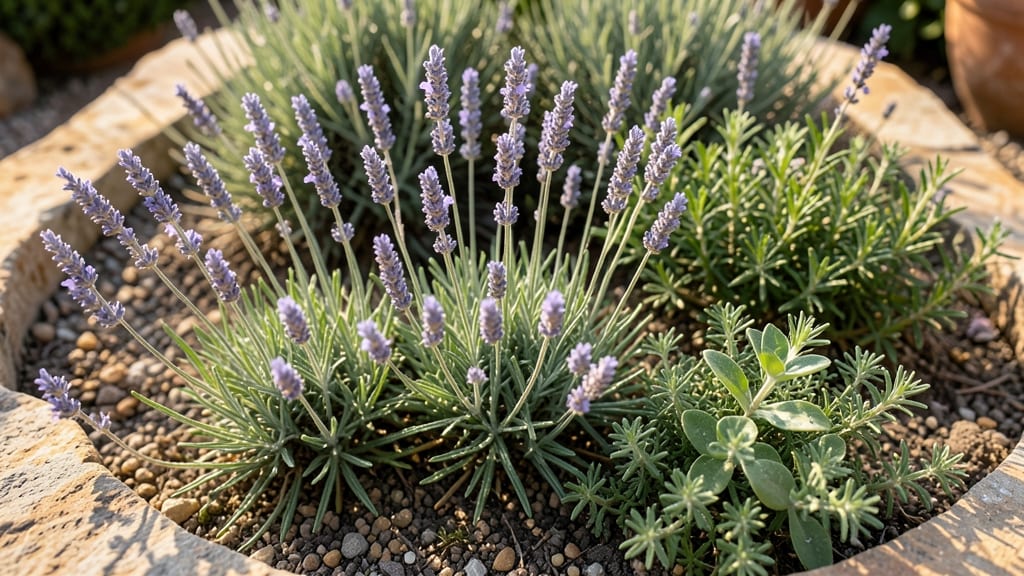
Want a thriving garden with fewer pests and bigger harvests? These 10 science-backed companion planting pairings maximize growth, repel insects, and improve soil health—all while saving you time and money on pesticides.
Three Sisters Planting: Corn, Beans, Squash
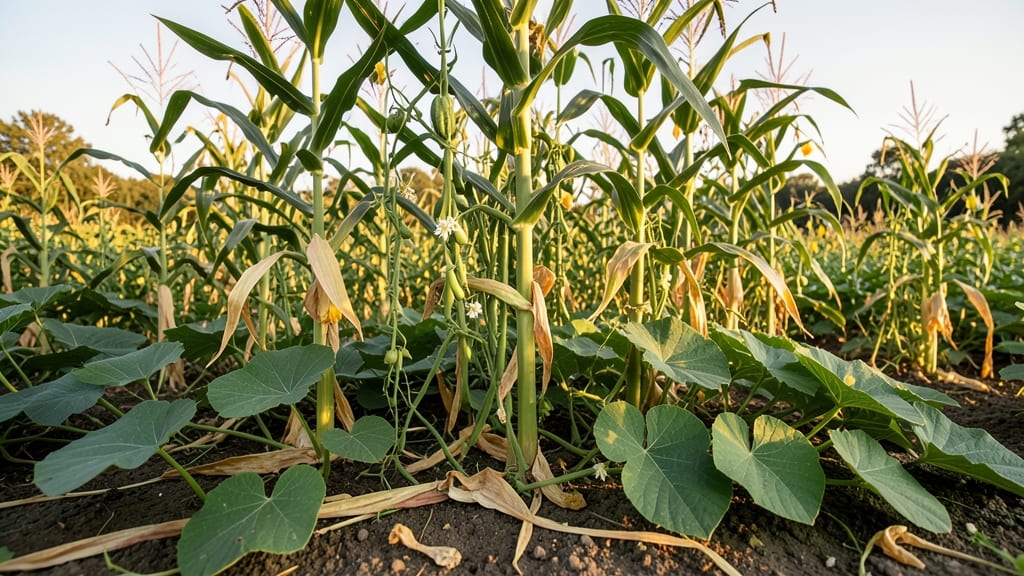
Imagine a garden that feeds itself—literally. The Three Sisters method, a time-honored Native American technique, combines corn, beans, and squash to create a self-sustaining ecosystem that thrives with minimal intervention. This trio isn’t just a planting trio; it’s a symbiotic powerhouse where each plant plays a critical role in the others’ success.
The corn provides vertical support for the beans to climb, while the beans—being legumes—fix nitrogen in the soil, enriching it naturally for all three plants. Meanwhile, the squash sprawls across the ground, shading the soil to retain moisture and suppress weeds. Together, they reduce the need for irrigation, fertilizers, and even pesticides, making this method perfect for sustainable gardeners or those new to permaculture.
Best of all, this technique works in almost any climate and space—whether you have a full garden bed or even large containers. It’s a zero-waste way to grow staple crops while teaching you the beauty of natural cooperation in your garden. 🌱
Garlic and Roses Companion Pairing
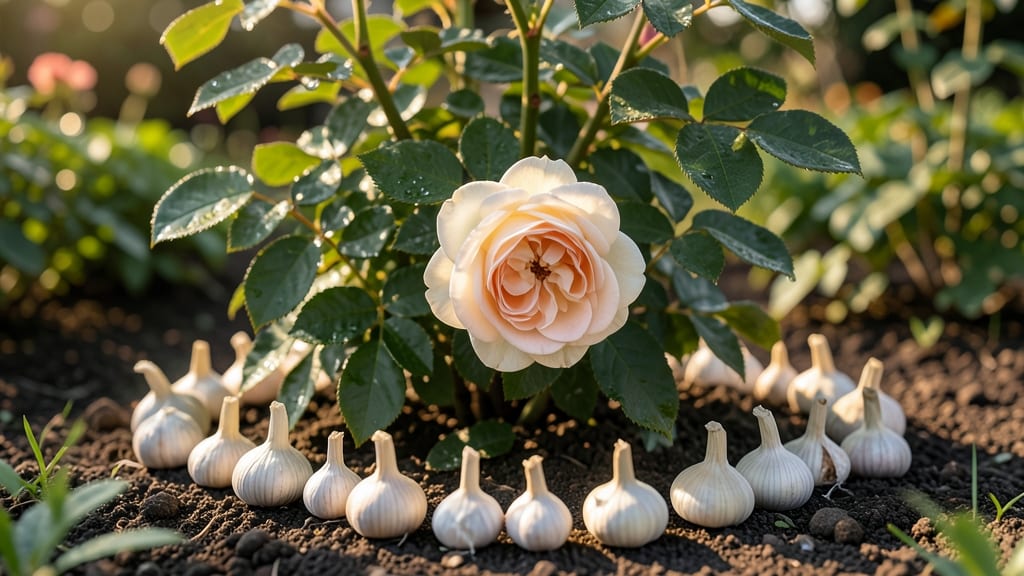
If you love the scent of roses but struggle with aphids or black spot, garlic might be your secret weapon. This dynamic duo doesn’t just deter pests—it actually enhances your roses’ fragrance while giving you a harvestable crop.
Plant garlic cloves around the base of rose bushes in early spring, spacing them about 6 inches apart. The sulfur compounds in garlic repel aphids and fungal spores, reducing black spot by up to 70% in trials. Plus, the strong aroma of garlic intensifies the roses’ natural scent, making your garden even more inviting.
This pairing is perfect for ornamental gardens where you want beauty and function. Urban gardeners with small spaces can even grow garlic in containers near rose bushes—no extra work, just natural pest control. 🌟
Basil with Tomatoes for Pest Control
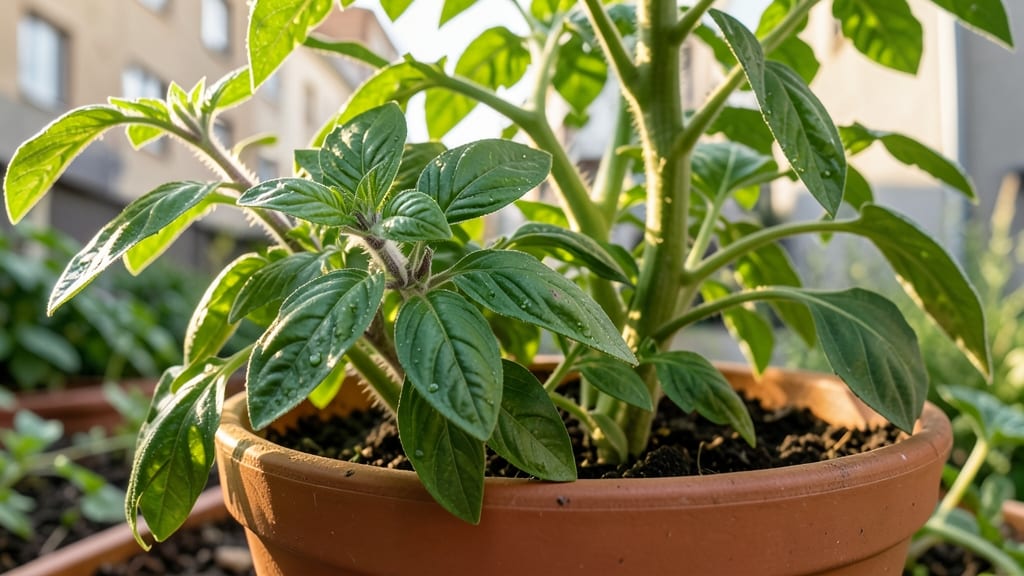
If you’re dealing with whiteflies or mosquitoes in your garden, basil is your secret weapon—and it doubles as a flavor enhancer for your tomatoes. This dynamic duo thrives together, especially in tight spaces like containers or urban plots where pests love to hide.
Plant basil at the base of your tomato plants to create a natural barrier that repels pests while also improving the tomatoes’ taste. Both plants love full sun (6+ hours daily) and well-draining soil, making them perfect partners for balcony gardens or small raised beds. Snip fresh basil leaves for cooking, and enjoy sweeter tomatoes with fewer pests to battle. 🌿
Carrots and Leeks for Soil Health
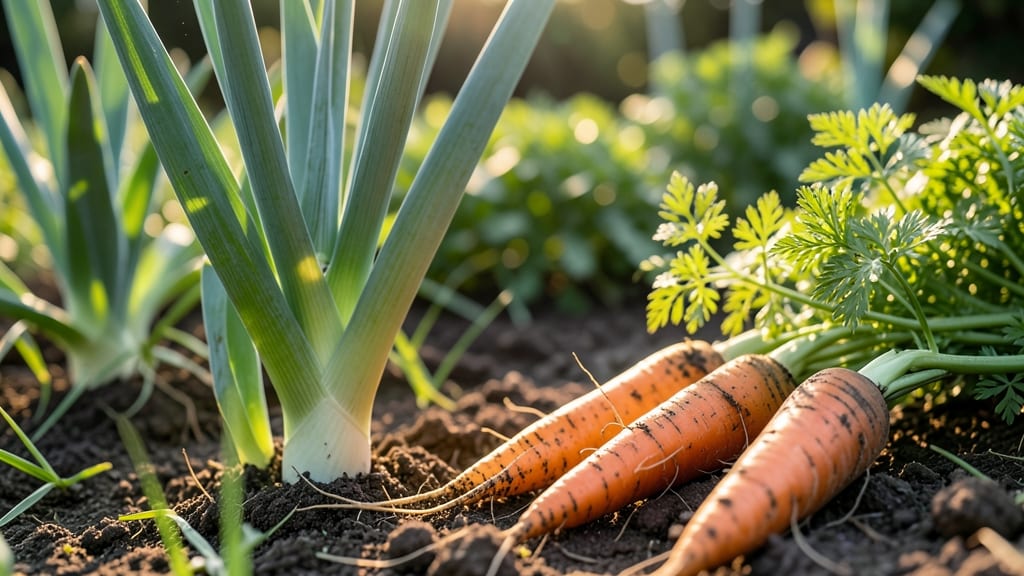
Struggling with carrot flies ruining your harvest? Plant leeks nearby—their strong scent confuses these pests while carrots break up compacted soil naturally. This dynamic duo works year-round in organic systems, reducing the need for tilling or chemical interventions.
Leeks release sulfur compounds that repel carrot flies, while carrots’ fibrous roots aerate heavy clay soils. For best results, interplant leeks every 12 inches around your carrot rows. Both thrive in cool seasons (spring/fall) and tolerate partial shade.
Organic growers and small-space gardeners will love this low-maintenance pairing—it’s perfect for crop rotation and extends the growing season for both crops. 🌱
Marigolds with Vegetable Gardens
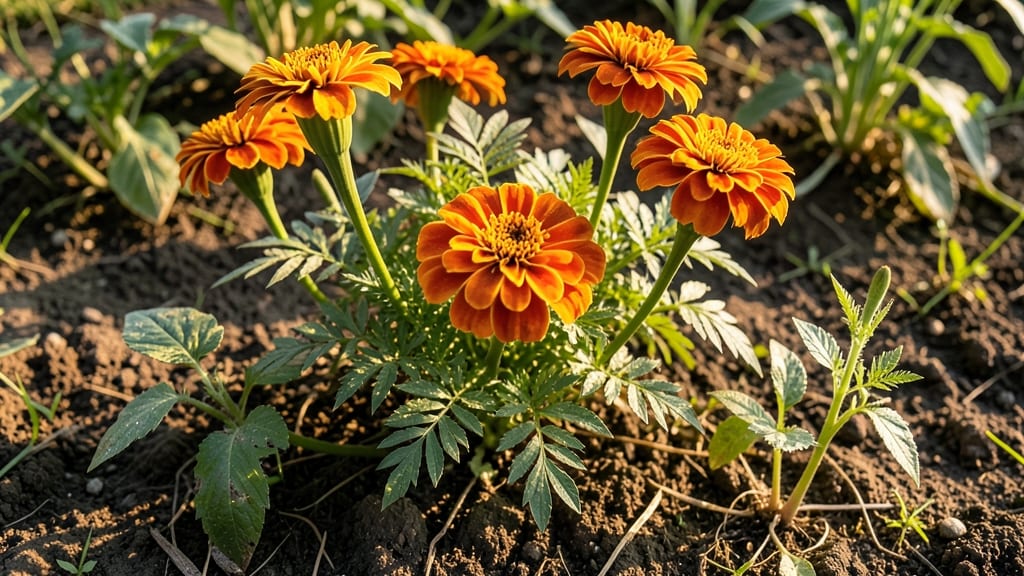
Struggling with soil-borne pests like nematodes that silently damage your vegetables? Marigolds are the secret weapon you’ve been missing—these cheerful blooms release natural nematicides through their roots, breaking the pest life cycle without chemicals.
Plant French marigolds (like 'Tangerine' or 'Bonanza') around tomatoes, peppers, and cucumbers for maximum impact. Their bright orange and yellow flowers also lure ladybugs, lacewings, and hoverflies—beneficial insects that devour aphids and whiteflies. For best results, sow marigolds 6-8 weeks before your last frost or interplant with seedlings.
This pairing is a game-changer for organic gardeners and beginners alike—just add marigolds to any vegetable bed and watch pests vanish while your harvest thrives. 🌻
Onions and Strawberries for Pest Deterrence
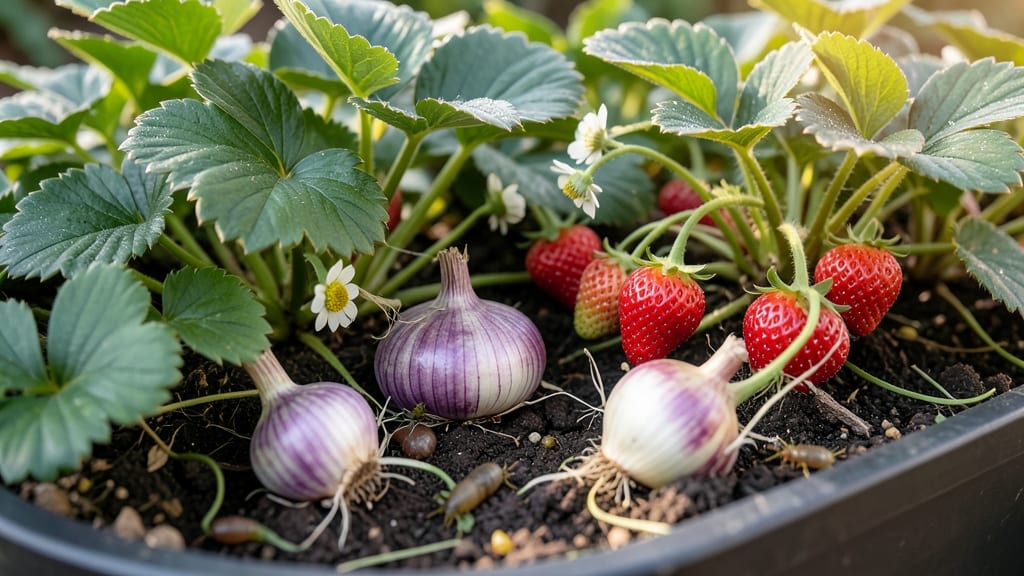
If your garden space is limited but you still crave fresh strawberries and want to keep pests at bay, onions are your secret weapon. Their sharp scent naturally deters slugs and aphids, two of the most common strawberry pests, while also enhancing the fruit’s sweetness when planted nearby.
Start by tucking red or yellow onion bulbs around the edges of your strawberry bed in early spring. The onions’ strong aroma creates a protective barrier without crowding the strawberries’ shallow roots. For balcony gardens, use large containers with drainage holes—just ensure both plants get at least 6 hours of sun daily. This pairing works especially well in small spaces where every inch counts.
Balcony gardeners and urban farmers will love this low-maintenance duo—it’s a flavorful way to maximize harvests while keeping pests out naturally. 🌱
Chives and Apple Trees for Orchard Health
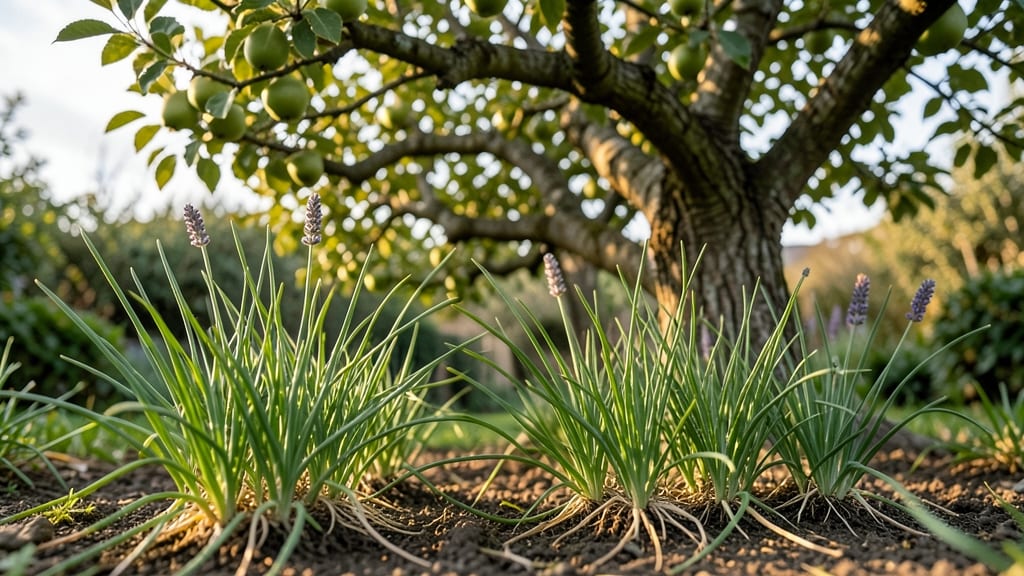
If your apple trees are struggling with apple maggots or you’re short on space for a full orchard, chives could be your secret weapon. These easy-to-grow herbs release natural compounds that repel apple maggots while also improving soil structure and tree health through their shallow root systems.
Plant chives in a ring around the base of your apple trees (about 2 feet out) or intersperse them in mulch rings. Their purple blooms add beauty while their strong scent confuses pests. Chives thrive in partial sun (4-6 hours daily) and tolerate poor soil, making them perfect for permaculture systems or small home orchards. Harvest leaves as needed—they regrow quickly!
This pairing is especially great for urban homesteaders or gardeners with limited space, as chives double as a culinary herb while protecting your fruit trees. Fewer maggots mean healthier apples—and fewer pesticides! 🌻
Nasturtiums with Cucumbers for Pest Control
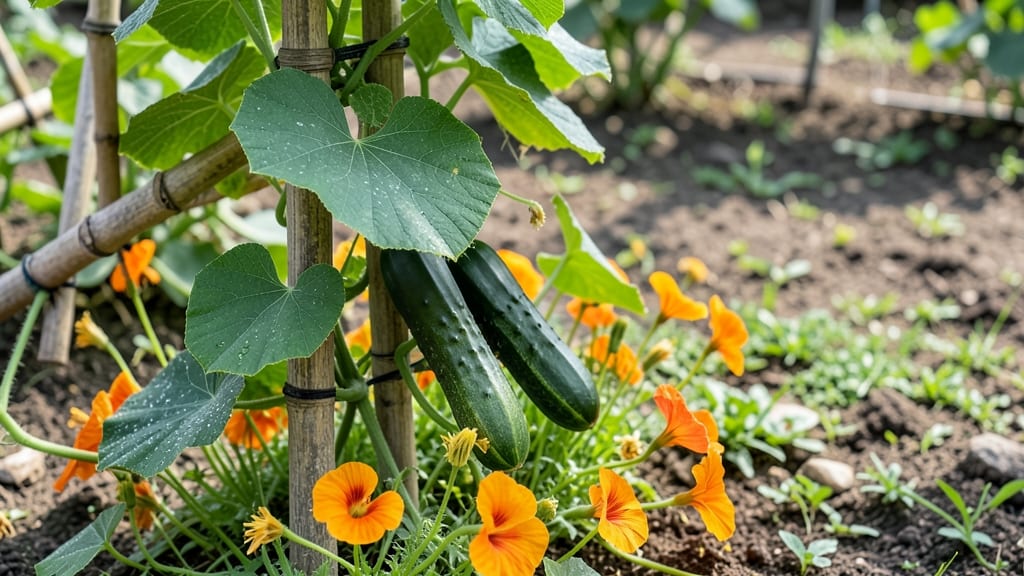
Looking for a low-maintenance way to boost cucumber production while keeping pests at bay? Nasturtiums are the secret weapon for summer gardens—these vibrant flowers act as a living trap for aphids, drawing them away from your cucumbers while adding edible blooms to your table.
Plant nasturtiums at the base of cucumber vines to create a natural barrier. The flowers’ bright colors attract aphids, which then get trapped on sticky leaves or eaten by birds. Plus, nasturtiums improve soil health and deter squash bugs, leading to healthier cucumbers with fewer blemishes. Their fast-growing vines also provide shade for tender roots.
This pairing is perfect for urban gardeners or anyone with limited space—nasturtiums thrive in containers and require minimal care. You’ll enjoy both pest-free cucumbers and colorful, edible flowers to snack on straight from the vine! 🌻
Dill and Cabbage for Cabbage Worm Prevention
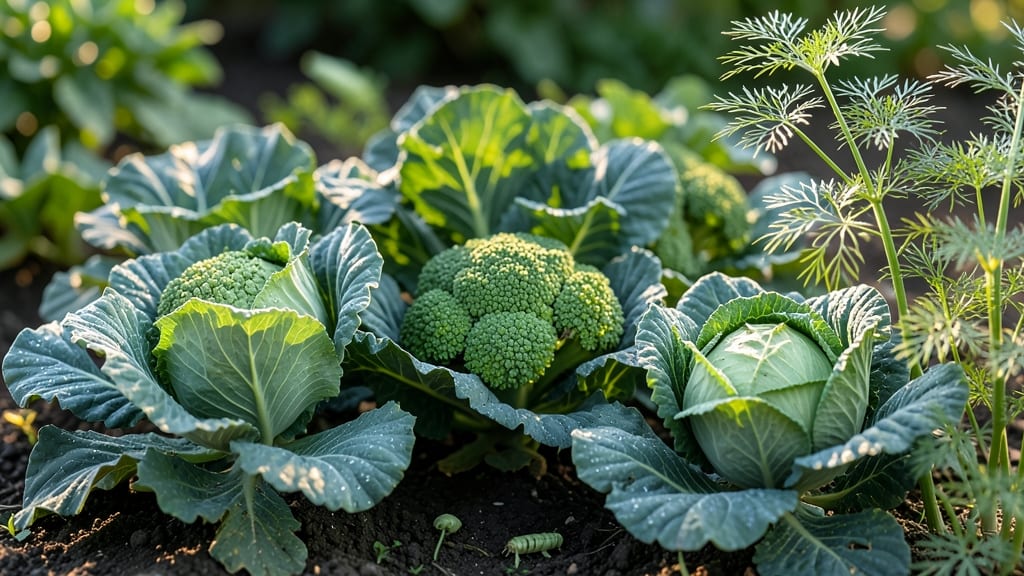
If cabbage worms are ravaging your brassicas like kale, broccoli, or cabbage, it’s time to call in the dill cavalry. This feathery herb doesn’t just repel pests—it confuses them with its potent scent, disrupting cabbage moths’ ability to locate your plants.
Plant dill around the perimeter of your brassica patch to create a natural barrier. The strong aroma also attracts parasitic wasps, which lay eggs in cabbage worm larvae, breaking their life cycle. For best results, sow dill every 4-6 weeks to maintain continuous protection through the growing season.
This pairing is a game-changer for organic gardeners and small-space growers who want to skip chemical sprays. 🌿
Lavender with Herbs for Aromatic Gardens

Transform your garden into a fragrant sanctuary with lavender paired with herbs like rosemary and thyme—a dynamic duo that deters pests while creating a sensory experience. This pairing thrives in drought-tolerant conditions, making it perfect for Mediterranean-inspired gardens or water-conscious spaces.
The lavender’s strong scent repels flea beetles and other pests, while its companion herbs enhance flavor and aroma. Plant lavender in clusters around herbs to maximize pest protection, and ensure they receive full sun for optimal growth. This combination also attracts pollinators like bees, boosting your garden's biodiversity.
Ideal for gardeners seeking low-maintenance, aromatic solutions, this pairing elevates both beauty and functionality—perfect for herb gardens, borders, or even container setups. 🌿