
Tools
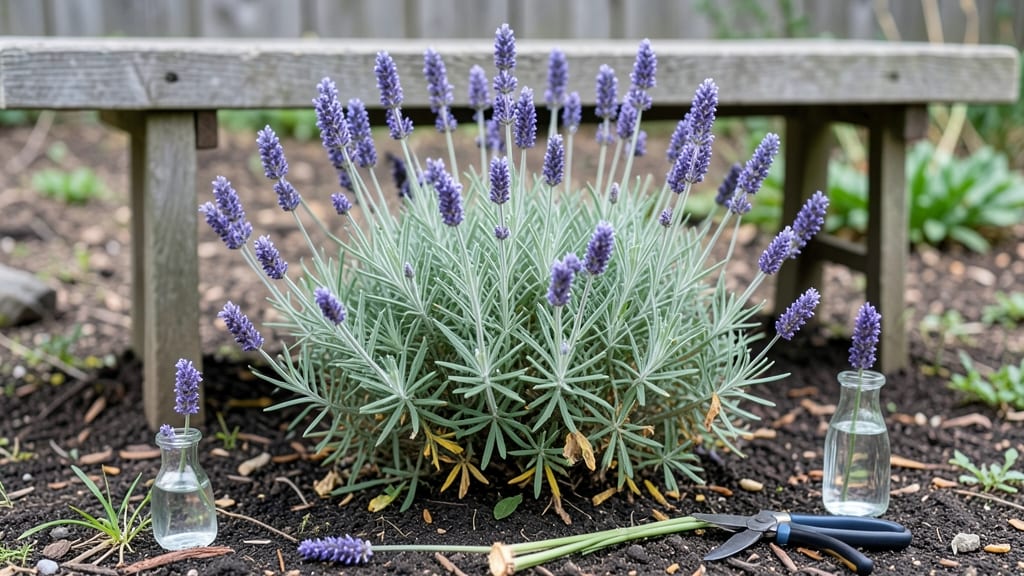
Here are some fresh garden day ideas—no theme required, just a reason to make your outdoor space shine! 🌿 Whether you’re hosting a "Planting Party Day" with friends or turning your backyard into a "Bug Hunt Adventure" for kids, themed garden days breathe new life into routine chores.
The key is matching the activity to your space: a small urban patio can host a "Tea & Tulips" afternoon, while a rural plot might become a "Moonlight Stargazing Garden" at dusk.
I’ve tried everything from "Garden Yoga Days" (yes, it’s as peaceful as it sounds) to "DIY Compost Party Days" where neighbors bring scraps and leave with finished soil. The best part? These ideas work year-round—swap summer’s "Sunset Picnic Garden" for a cozy "Hot Cocoa & Evergreen Walk" in winter.
Setup is simple: gather a few props, set a mood with lighting or music, and let the space guide the fun.
By the end of the day, you’ll have memories and a garden that feels alive in ways a regular day never could. The "Kids’ Fairy Garden Day" I hosted last summer still has my daughter asking to "check the toadstools" every week.
Themed days turn gardening from work into play—and that’s what keeps us coming back.
Adapt these ideas to your climate: a "Rainy Day Seed Bomb Making" session in spring or a "Frost Painting" event (using watercolors on frozen leaves) in winter. The only rule? Make it yours. Your garden deserves the spotlight, even if it’s just for one day.
Root Causes of Garden Day Doldrums
Even the most enthusiastic gardeners hit a slump where inspiration fades, motivation wanes, and the garden feels like a never-ending to-do list. But why does this happen? Understanding the science and psychology behind these lulls can help you reignite your passion and transform your garden days from chore to joy.
Here’s a breakdown of the key reasons—and how to tackle them.
Our brains thrive on novelty, but gardens can become monotonous when they’re treated as a series of repetitive tasks. Research in environmental psychology shows that decision fatigue—exhaustion from making too many small choices—drains mental energy. If you’re constantly debating plant placements, soil amendments, or seasonal rotations, your enthusiasm may dwindle.
The science: The prefrontal cortex, responsible for executive functions like planning and problem-solving, gets overwhelmed when faced with too many micro-decisions. This leads to mental exhaustion, making even simple gardening tasks feel tedious.
Actionable fix:
- Create a "Garden Day Playlist": Assign themes or colors to different sections (e.g., "Blue Monday" for hydrangeas and delphiniums, "Sunny Saturday" for citrus and succulents). This reduces decision fatigue by limiting choices.
- Use the "Two-Minute Rule": If a task takes less than two minutes (like deadheading flowers or pulling weeds), do it immediately. This prevents small tasks from piling up and feeling overwhelming.
- Rotate responsibilities: Delegate tasks like watering or composting to family members or roommates to share the mental load.
Gardens are living ecosystems, and their appearance changes dramatically with the seasons. However, this natural cycle can also lead to seasonal burnout—a dip in motivation when the same plants dominate your space for months.
For example, winter may leave you staring at bare soil and evergreens, while summer’s heat can make even the hardiest plants wilt under your gaze.
The science: Seasonal Affective Disorder (SAD) isn’t just about mood—it also affects our perception of productivity. Studies in horticultural therapy show that repetitive plant cycles can reduce dopamine and serotonin, the "feel-good" neurotransmitters linked to motivation. When your garden looks the same week after week, your brain stops associating it with joy.
Actionable fix:
- Plan for "visual variety": Incorporate plants with year-round interest, like ornamental grasses, evergreen shrubs, or blooms that stagger in season (e.g., early spring crocuses followed by summer dahlias).
- Embrace "ugly seasons": Lean into the beauty of winter with bare branches, frost-kissed leaves, or even a cozy "hibernation garden" with pinecones and dried flowers.
- Try "succession planting": Rotate crops or flowers so your garden is always evolving. For example, swap out spring bulbs with summer annuals and fall veggies.
Gardening is physically demanding, and if you’re not accounting for your body’s limits, it can turn into a source of frustration rather than fulfillment. Back pain, sore knees, or even just the exhaustion of bending and lifting can make you dread garden days.
Additionally, modern life’s busyness often leaves little time for leisurely outdoor work.
The science: Ergonomics research shows that repetitive motions (like digging or pruning) can lead to muscle strain and joint stress, while poor posture increases the risk of injury. Meanwhile, time poverty—the feeling of never having enough hours in the day—creates cognitive stress, making it harder to enjoy hobbies.
Actionable fix:
- Invest in ergonomic tools: Use kneeling pads, long-handled tools, or lightweight containers to reduce physical strain. A pruning saw with a shock-absorbing handle or a wheelbarrow with smooth wheels can make heavy tasks feel easier.
- Break tasks into micro-sessions: Instead of one long, grueling session, spend 15–20 minutes daily on small tasks (e.g., watering, mulching, or weeding). This aligns with the "two-minute rule" and prevents burnout.
- Schedule "active recovery": Pair gardening with movement you enjoy, like listening to a podcast while weeding or turning it into a family walk-and-talk session.
Gardens thrive on creativity, but without a clear vision or theme, they can feel like a jumbled mess of "whatever grows." When there’s no narrative or purpose behind your plantings, motivation plummets, and the space loses its magic.
This is especially true if you’re comparing your garden to Pinterest-perfect layouts without a realistic plan.
The science: Flow theory, popularized by psychologist Mihaly Csikszentmihalyi, explains that we’re most engaged in activities that balance challenge and skill. A garden without a theme or goal lacks structure, making it harder to enter this "flow state" where time flies and enjoyment peaks.
Actionable fix:
- Adopt a theme for the season: Pick a cohesive style like a cottage garden, Japanese Zen space, or pollinator paradise. Themes provide a roadmap and make decision-making easier.
- Use "color blocking": Assign specific colors to different areas (e.g., purples and blues in one bed, warm oranges and reds in another). This creates visual harmony and reduces overwhelm.
- Incorporate DIY projects: Build a trellis, paint a garden sign, or create a compost bin. These creative add-ons reignite excitement and give your space a personal touch.
By addressing these root causes—mental fatigue, seasonal monotony, physical discomfort, and lack of creative focus—you can turn garden days from a chore into a rewarding, themed experience. The key is to work with your brain and body, not against them!
Quick fixes for garden day flops
Planning a themed garden day only to hit snags? Don’t stress—most issues have simple, practical solutions. Below, we’ll match common problems to their fixes, plus prevention tips to keep your day running smoothly. Think of this as your garden-day troubleshooting guide, where every hiccup has a happy ending.
Cause: Unpredictable weather ruins outdoor plans. Fix:
- For Rain: Shift to a covered patio, garage, or indoor space. Set up a "garden café" with potted plants, seed packets, and gardening books as decor. Use waterproof tarps over tables to keep activities dry.
- For Extreme Heat: Schedule activities in the early morning or late afternoon. Offer shaded seating with misting fans and plenty of water. Swap heavy gardening tasks for lighter ones like painting plant pots or arranging flowers.
- For Wind: Secure lightweight decor with weights or stakes. Use a windbreak (like a temporary fence or tarp) to create a calm zone for activities.
Prevention Tips:
- 🌡️ Check the forecast 48 hours ahead and have a backup plan ready.
- 🎯 Pack a weather kit: Include umbrellas, pop-up tents, or even a portable heater for chilly mornings.
- ✨ Choose resilient themes: Opt for waterproof or heat-resistant decor (e.g., metal or plastic planters, fabric banners).
Cause: Decor looks mismatched or cluttered, ruining the vibe. Fix:
- 🔥 Start with a focal point: Pick one standout feature (e.g., a vibrant flower arch, a rustic wooden table, or a DIY herb spiral) and build around it. This anchors your theme and keeps the space cohesive.
- 🍳 Use the "Rule of Three": Group decor in odd-numbered sets (e.g., three terracotta pots, three hanging baskets) for visual balance. Avoid overcrowding—leave breathing room between items.
- 👨🍳 Assign zones: Create distinct areas for activities (e.g., a "plant swap station," a "kids’ dig zone," and a "relaxation corner"). Use rugs, planters, or string lights to define spaces.
Prevention Tips:
- 💡 Sketch a layout beforehand and take photos of similar setups for inspiration.
- 🔪 Stick to a color palette of 2-3 main colors + neutrals to avoid visual chaos.
- ✨ Borrow or rent decor if you’re missing key pieces—thrift stores, garden centers, and friends’ backyards are goldmines.
Cause: Your garden day feels either empty or overrun. Fix:
- For Too Few Guests:
- 📊 Promote with urgency: Share a "first 10 guests get a free seedling!" teaser on social media.
- 🥗 Offer a unique draw: Host a mini workshop (e.g., "How to Grow Microgreens") or a raffle for gardening tools.
- For Too Many Guests:
- ⏰ Set time slots for activities (e.g., "Planting Party: 10 AM–12 PM").
- 🎯 Create a sign-up sheet for workshops or tool-sharing stations to manage flow.
Prevention Tips:
- 🌱 Clarify the vibe in your invite: "Casual potluck + plant swap" vs. "Formal garden tea with RSVP."
- 🎯 Limit invites if space is tight—quality over quantity keeps things manageable.
- ✨ Plan for overflow: Designate a "quiet zone" with books or a listening station for guests who want to relax.
Cause: Food is boring, unhealthy, or disappears too fast. Fix:
- 🥗 Swap processed snacks for garden-friendly bites:
- 🍎 Fresh fruit skewers (melon, berries, grapes) with mint leaves.
- 🥕 Veggie cups (hummus, guacamole, or ranch with carrot/cucumber sticks).
- 🍪 Homemade cookies using ingredients from your garden (e.g., zucchini or apple chips).
- 🔪 Label allergens clearly and offer a "build-your-own" snack station (e.g., taco bar with garden herbs).
- 🍳 Keep it simple: Finger foods > plates. Think: mini quiches, pita pockets, or trail mix in jars.
Prevention Tips:
- 💡 Ask guests for contributions (e.g., "Bring a dish made with homegrown ingredients!").
- 🌡️ Prep ahead: Chop veggies or bake treats the day before to save time.
- ✨ Use edible decor: Serve drinks in mason jars with fresh herbs as stirrers or garnish with edible flowers.
Cause: Missing tools or gear ruins hands-on activities. Fix:
- 🔥 Borrow or rent: Check with local gardening clubs, hardware stores, or neighbors for tools like trowels, pruners, or wheelbarrows.
- 🍳 DIY workarounds:
- Use plastic spoons as mini trowels for kids’ planting.
- Repurpose old colanders as seed-starting trays.
- Turn buckets into watering cans with holes punched in the lid.
- 👨🍳 Assign a "tool captain" to troubleshoot issues on the spot.
Prevention Tips:
- 💡 Create a tool wish list and ask guests to bring one item (e.g., "Bring a pair of gloves or a watering can!").
- 🔪 Test tools beforehand—sharpen blades, check water hoses, and ensure batteries in power tools are charged.
- ✨ Label tools with bright tape or flags to avoid mix-ups.
Pro Tip: Keep a "garden day emergency kit" handy with duct tape, scissors, extra batteries, and a roll of paper towels—you’ll thank yourself later! 🌿✨
Frequently asked questions
How do I choose a theme that fits my garden’s size?
For small spaces, focus on intimate themes like a "Herb Spirals Day" or "Fairy Garden Workshop" that use vertical space and tiny decor. Larger gardens can handle grander ideas like a "Butterfly Habitat Day" with wide paths or a "Moonlight Picnic Garden" with string lights and seating areas. The key is scaling activities—not just decor. A small patio can host a "Tea & Tulips Afternoon" with just 3-4 potted flowers, while a big yard might need a full "Harvest Festival" with stations for apple pressing and corn husking.
What’s the easiest way to make a themed garden day feel special without spending much?
Start with what you already have! Use natural elements like pinecones, stones, or fallen branches as decor, and repurpose household items—mason jars become vases, old towels turn into picnic blankets. Focus on one standout feature: a single colorful blanket for seating, a DIY chalkboard sign with the day’s theme, or a playlist of nature sounds. The magic comes from intentionality, not expense. A "Rainy Day Seed Bomb Making" session can thrive indoors with just paper, glue, and wildflower seeds.
How do I keep kids engaged during a garden day?
Turn gardening into a treasure hunt! Create a "Bug Safari" with magnifying glasses and checklists, or host a "Planting Race" where kids compete to fill small pots fastest. For younger children, try sensory activities like digging for "dinosaur bones" (carrot tops) or painting rocks to mark flower beds. Always include a take-home craft, like making seed bombs or decorating plant markers. The goal is movement and discovery—kids remember the fun, not the weeding.
Can I host a garden day in winter?
Winter themes should lean into cozy, sensory, or creative activities. Try a "Frost Painting Party" where guests use watercolors on frozen leaves, or a "Hot Cocoa & Evergreen Walk" with steaming mugs and pine-scented decor. For hands-on work, host a "DIY Bird Feeder Workshop" using pinecones and peanut butter. Even container gardening indoors (like growing microgreens) works—just bring the garden vibe inside with fairy lights and potted herbs.
What’s the best way to document my garden day for social media?
Capture the process, not just the perfect shots! Take candid photos of guests laughing while planting, close-ups of hands in soil, and details like decorated tables or homemade signs. Use natural light and wide angles to show the full space. For video, film a 15-second "day in the life" clip with upbeat music. Share behind-the-scenes stories—like how you turned a thrifted chair into a seating area—so others feel inspired to adapt ideas for their own spaces. Hashtags like #GardenDayVibes or #ThemedGardenParty help reach fellow enthusiasts.