
Landscaping
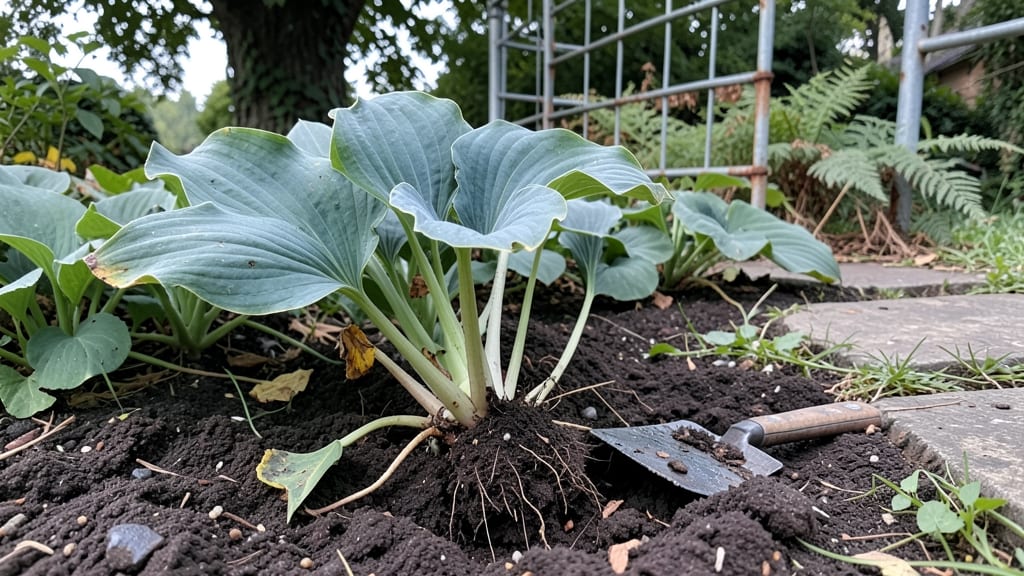
A clever garden design for small gardens transforms my 6x8-foot backyard into a lush retreat by treating walls, corners, and even vertical space as prime real estate, not just afterthoughts. ✨ The key isn't shrinking your vision; it's expanding how you use what you've got.
Start with a layout that prioritizes function and flow, like a tiny kitchen where every inch has a purpose. Raised beds along fences create instant borders, while a compact seating nook tucked into one corner becomes the heart of the space.
Choose plants that thrive in containers or small patches—like dwarf varieties, trailing vines, and fragrant herbs—and let them spill over edges for softness. Even a narrow path can double as a display for potted plants or seasonal accents.
You'll end up with a garden that feels surprisingly spacious, where every plant has room to breathe and every path leads to a little discovery.
The textures of velvety foliage, the scent of blooming annuals, and the quiet rustle of ornamental grasses create layers of beauty that make the space feel alive. The best part? It all comes together without sacrificing the charm of a larger garden.
Works for balconies, courtyard gardens, or even a sunny windowsill—just scale the ideas to fit your space. Let's make the most of what you've got!
📚 In This Guide
- What you need
- Instructions
- Tips and common mistakes
- Wrapping up and next steps
What you need
- ● Soil & Mulch: High-quality topsoil (2–4 cubic feet, depending on garden size)
- ● Organic mulch (1–2 bags, like cedar or pine)
- ● Plants: 3–5 compact or dwarf plants (e.g., succulents, ornamental grasses, or herbs)
- ● 1–2 climbing plants (like ivy or jasmine) for vertical space
- ● Containers & Planters: 1–3 raised beds or window boxes (if not in-ground planting)
- ● 2–4 pots or planters (10–12 inches in diameter)
- ● Tools: Hand trowel (for planting)
- ● Small pruners (for trimming)
- ● Garden gloves (1 pair)
- ● Measuring tape (10–25 feet)
- ● Decorative stones (for pathways or borders)
- ● Trellises or vertical planters (to maximize vertical space)
- ● Solar-powered lights (for ambiance)
- ● Weather-resistant furniture (foldable chairs or a tiny bench)
Step-by-Step instructions for designing small gardens
Here’s how to create a stunning garden in limited space—without sacrificing beauty or function.
🌿 Step 1: Define Your Garden’s Purpose and Layout
Start by sketching your space on paper or digitally. Measure key areas like walkways, seating spots, or focal points—this ensures everything fits while leaving room to move comfortably. I like to use graph paper where each square represents 1 foot to visualize proportions accurately.
Decide what your garden needs to do: Is it for relaxing, growing herbs, or adding curb appeal? This guides your plant selection and layout. For example, a seating area might prioritize shade plants and soft textures, while a veggie patch needs sun and vertical space.
🪴 Step 2: Choose Multi-Functional Plants and Structures
Small gardens thrive with plants that serve multiple purposes. Opt for compact varieties like dwarf fruit trees, bush beans, or ornamental grasses that grow vertically. I always include at least one plant with height (like a small tree or trellis) to draw the eye upward and create the illusion of more space.
Use structures like trellises, raised beds, or tiered planters to maximize vertical growth. These not only save floor space but also add visual interest. For instance, a 4-foot-tall trellis can support climbing roses or cucumbers while providing a stunning backdrop.
☀️ Step 3: Layer Plants for Depth and Texture
Layering plants in tiers—tall in back, medium in middle, and low-growing or trailing in front—creates depth and makes the space feel larger. Start with a focal point (like a small shrub or sculpture) and build outward. I often use 3-inch-tall ground covers like creeping thyme or ajuga to fill gaps and suppress weeds.
Mix textures and colors to add visual complexity. A mix of fine foliage (like ferns), broad leaves (hostas), and spiky plants (like ornamental grasses) keeps things dynamic. Even in a 4-foot-square garden, you can create a lush, layered look with just 6-8 well-chosen plants.
💧 Step 4: Optimize Light and Water Efficiency
Observe your garden’s sunlight patterns throughout the day. Group sun-loving plants (like lavender or succulents) together in the brightest spots, and shade-tolerant plants (like ferns or impatiens) where light is limited. This prevents overcrowding and ensures every plant thrives.
Use drought-tolerant plants and mulch to reduce watering needs. A 2-inch layer of mulch (like shredded bark or gravel) retains moisture, suppresses weeds, and keeps roots cool. Drip irrigation or self-watering containers further cut down on maintenance—critical in tight spaces where watering can be tricky.
✂️ Step 5: Add Finishing Touches for Cohesion
Unify your design with consistent materials like paving stones, pots, or garden art. Stick to a cohesive color palette—even in small gardens, too many colors can feel chaotic. I often use a single accent color (like terracotta pots or blue flowers) to tie everything together.
Leave some negative space—don’t fill every inch. A well-placed bench, birdbath, or small sculpture can become a focal point without overwhelming the area. The goal is a garden that feels intentional, not cramped. Step back often to check proportions and adjust as needed.
Tips & tricks for designing small gardens
Small gardens pack big potential—here’s how to make every inch count without sacrificing charm or functionality.
Visualize Before You Plant: Grab a roll of painter’s tape and mark out your garden space on the ground using the same 1-foot square grid from Step 1. Walk through it with your plant selections—this lets you see proportions in real life before digging. I’ve caught overcrowding issues this way that weren’t obvious on paper. Trust me, it saves replanting headaches later!
Height is Your Best Friend: In Step 2, when choosing your 4-foot-tall trellis, consider adding a second vertical element at 2 feet tall—like a small shrub or decorative screen. This creates two distinct layers that draw the eye upward and make the space feel twice as expansive. Think of it as creating a "visual staircase" that guides viewers through your garden.
Color Psychology Matters: For Step 5’s cohesive palette, remember that cool colors (blues, purples) make spaces feel larger, while warm colors (reds, oranges) create coziness. In a 4-foot-square garden, I often use one bold accent color—like a single terracotta pot or cobalt blue flowers—to create visual interest without overwhelming the space. This single-color rule keeps things harmonious while adding personality.
Seasonal Swaps Save Space: Rotate plants seasonally to maximize your small garden’s potential. In spring, use early bloomers like pansies, then swap for summer’s sunflowers or fall’s ornamental kale. This keeps your space looking fresh year-round without adding permanent plants. I’ve used this trick in my own 6-by-6-foot patio garden to create four distinct looks with just 12 plants total.
Pro Tips for Garden Design Small Gardens
- Small gardens pack big potential—here’s how to make every inch count without sacrificing charm or functionality.
- Visualize Before You Plant: Grab a roll of painter’s tape and mark out your garden space on the ground using the same 1-foot square grid from Step 1.
- Height is Your Best Friend: In Step 2, when choosing your 4-foot-tall trellis, consider adding a second vertical element at 2 feet tall—like a small shrub or decorative screen.
Frequently asked questions
Got questions about transforming small spaces into stunning gardens? You’re not alone! Here are answers to the most common concerns—plus a few pro tips to make your tiny garden shine.
What are the best plants for small gardens?
Opt for compact, vertical, or trailing plants like dwarf conifers, ornamental grasses, ferns, and climbers (e.g., ivy or jasmine). Herbs like thyme or mint thrive in containers, too! Avoid sprawling shrubs—stick to plants that fit your space without crowding.
How can I make a small garden look bigger?
Use light colors, mirrors, and repeating patterns to create visual depth. Keep pathways clear and add vertical elements (trellises, wall planters) to draw the eye upward. Avoid clutter—every plant should earn its spot!
When is the best time to start designing a small garden?
Spring or early fall are ideal! Spring lets you plant perennials and bulbs for instant impact, while fall gives plants time to establish roots before winter. Pro tip: Sketch your layout first—it saves time and money!
What’s the most budget-friendly way to design a small garden?
Repurpose materials like pallets for raised beds, old bricks as borders, or recycled containers. Shop sales at garden centers, swap plants with neighbors, and prioritize low-maintenance plants (e.g., succulents, lavender). DIY mulch from yard waste cuts costs too!
What if my small garden gets too shady?
No problem! Choose shade-tolerant plants like hostas, ferns, or astilbes. Add reflective surfaces (smooth stones, metallic planters) to brighten the space. Drip irrigation helps keep plants happy without direct sun.
How do I prevent small gardens from looking cluttered?
Edit ruthlessly—less is more! Group plants in odd-numbered clusters (3 or 5) for balance, and use unified containers (same color/material). Leave breathing room between plants for air circulation and a cleaner look.
Wrapping up and next steps
Designing a small garden doesn’t mean sacrificing charm or functionality—it’s all about clever planning and intentional choices. 🌿 Whether you opt for vertical spaces, multi-functional plants, or cozy seating nooks, every inch can shine with personality.
Remember, the goal is to create a space that feels spacious and reflects your style.
Ready to transform your tiny outdoor oasis? Start by sketching a rough layout, then gather inspiration from the ideas above. Grab your tools, get creative, and watch your small garden bloom into something extraordinary! 🌱