Pests and Diseases
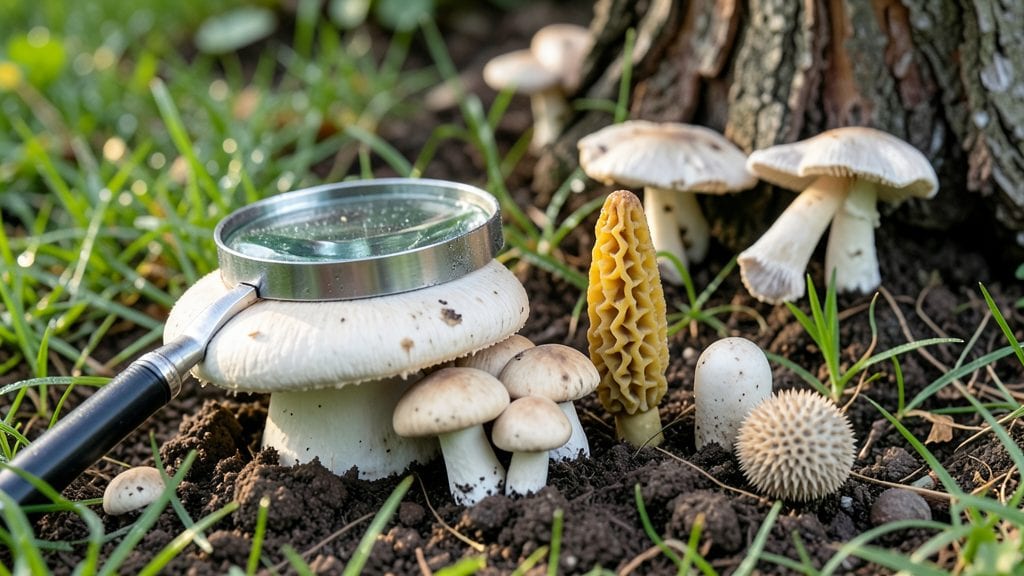
Identifying garden fungus types is the first step to saving your lawn before it turns into a patchy mess. ✨ I’ve spent years watching fungal spores transform lush grass into a sad, brown carpet—until I learned to spot the early warning signs: white powder on leaves, circular dead patches, or slimy stems that smell like wet cardboard.
The worst offenders—like brown patch, dollar spot, and rust fungus—love damp, crowded conditions, but not all fungi are villains. Mycorrhizal fungi actually boost root growth, so knowing the difference saves time and money.
Proper spacing, watering in the morning, and avoiding heavy dew buildup can cut fungus problems by half before they start.
Once you recognize the patterns—yellowing leaves, fuzzy growth, or mushrooms popping up overnight—you can act fast. Organic options like neem oil or baking soda sprays work for mild cases, while systemic fungicides handle stubborn outbreaks. The key is catching it early, before the fungus spreads like wildfire.
This guide breaks down the most common lawn diseases, their telltale signs, and exactly when to pull out the big guns. No more guessing whether to treat or just wait it out—just clear steps to reclaim your grass.
Root Causes Of Fungal Growth
Fungal infections in your garden aren’t random—they thrive because of specific conditions that create the perfect environment for spores to spread and multiply. Understanding these triggers helps you take targeted action to prevent or manage outbreaks. Here’s why fungal growth takes hold in your lawn and garden:
Fungi love dampness—think of them as aquatic invaders waiting for the right moment to strike. When your lawn or garden stays wet for prolonged periods, fungal spores germinate and spread rapidly. Here’s why moisture is a major culprit:
- Oxygen Deprivation: Waterlogged soil cuts off oxygen, weakening plant roots and making them vulnerable to fungal attacks like Rhizoctonia or Pythium.
- Spores Spread Easily: Heavy dew, rain, or overhead irrigation splashes spores from soil to leaves, accelerating infections like powdery mildew or rust.
- Slow Drying: Thick thatch or compacted soil traps moisture, creating ideal conditions for fairy ring fungi or slime molds.
Actionable Fix: Improve drainage by aerating soil, reducing irrigation frequency, and watering early in the day to allow foliage to dry quickly. 💡 Pro Tip: Use a soil moisture meter to avoid overwatering—most lawns only need 1–1.5 inches of water per week.
Fungi aren’t picky—they just need the right temperature and humidity to party. Most garden fungi thrive in specific ranges:
| Fungus Type | Ideal Temperature (°F) | Humidity Trigger |
|---|---|---|
| Powdery Mildew | 60–85°F (15–29°C) | High humidity (70%+) with dry leaves |
| Black Spot (Rose Fungus) | 70–85°F (21–29°C) | Frequent rain or morning dew |
| Dollar Spot (Lawn Fungus) | 75–90°F (24–32°C) | Nighttime dew on cool mornings |
🔥 Why It Matters: Warm, humid nights followed by cool mornings create the perfect "fungal sauna." For example, dollar spot explodes in summer when temperatures spike but humidity stays high.
Actionable Fix:
- Space plants for airflow (reduce humidity near foliage).
- Use shade cloth in hot climates to lower leaf surface temps.
- Avoid evening watering—switch to early morning.
Healthy plants resist fungi, but stress opens the door. Common stressors that invite fungal invasions include:
- Nutrient Deficiencies: Lack of nitrogen, phosphorus, or micronutrients (like zinc or iron) weakens cell walls, making plants susceptible to leaf spot or root rot.
- Physical Damage: Mower cuts, insect bites, or hail create entry points for spores. Brown patch often follows heavy foot traffic or pet urine burns.
- Overcrowding: Plants competing for resources (water, light) develop thin, weak growth—perfect for powdery mildew to latch on.
- Poor Soil pH: Fungi like club root (in brassicas) or armillaria (root rot) thrive in acidic or alkaline extremes (pH <5.5 or >7.5).
✨ Actionable Fix:
- Test soil pH and amend with lime (raise pH) or sulfur (lower pH) as needed.
- Fertilize with balanced, slow-release nutrients (e.g., 10-10-10) to avoid burn.
- Prune plants for airflow and remove debris where fungi hide.
Fungi don’t just appear—they lurk in your garden, waiting for the right moment. Common hiding spots include:
- Thatched Lawns: A thick layer of dead grass traps moisture and fungal spores (e.g., fairy rings or snow mold).
- Mulch Piles: Wet, compacted mulch becomes a breeding ground for slime molds or mushrooms.
- Old Plant Debris: Leaves, stems, or diseased plants left in beds harbor spores for years (e.g., powdery mildew overwinters in rose canes).
- Soilborne Pathogens: Fungi like Phytophthora (root rot) survive in soil for decades, lying dormant until conditions improve.
🔪 Actionable Fix:
- Remove and compost (not reuse!) infected plant material—do not add it to garden beds.
- Dethatch lawns in spring to break up fungal hotspots.
- Solarize soil in summer (cover with clear plastic for 4–6 weeks) to kill dormant spores.
Not all plants are equally vulnerable. Some species are fungal magnets due to genetics, while others naturally resist infections. For example:
- High-Risk Plants:
- Roses (black spot, powdery mildew)
- Turfgrass (dollar spot, brown patch)
- Tomatoes (early blight, fusarium wilt)
- Lawns with fescue or ryegrass (susceptible to snow mold)
- Resistant Options:
- Disease-resistant cultivars (e.g., Knock Out® roses, Tifway 419 bermudagrass)
- Native plants adapted to local fungal pressures
- Ground covers (e.g., creeping thyme) to reduce soilborne diseases
🎯 Actionable Fix: Replace high-maintenance plants with resistant varieties or rotate crops in veggie gardens to starve soilborne fungi.
How to Fix Fungal Lawn Woes
Fungal infections in your garden may feel like a losing battle, but with the right approach, you can reclaim your lawn’s health—naturally and effectively. Below, we’ve mapped out practical, step-by-step solutions tailored to common causes, from overwatering to poor airflow.
Prevent future outbreaks with our proven tips so your garden stays fungus-free for good!
Cause: Excess moisture (from rain, sprinklers, or compacted soil) creates the perfect breeding ground for fungi like dollar spot or brown patch.
How to Treat It:
- 🔥 Reduce Watering Immediately – Water deeply 2–3 times per week (early morning) instead of daily light sprinkles. Aim for ½–1 inch of water per session.
- 👨🍳 Improve Soil Drainage – Aerate compacted soil in spring/fall with a core aerator (rent or buy). Mix in sand or compost to loosen it.
- 🥘 Rake Up Thatch – If your lawn has a thick thatch layer (dead grass buildup), dethatch to reduce moisture retention.
- ⏰ Adjust Irrigation – Check sprinklers for overlap and ensure they don’t run during rain. Consider soil moisture sensors for smarter watering.
💡 Prevention Tip: > Test your soil’s drainage by digging a 6-inch hole, filling it with water, and timing how long it takes to drain. If it sits for more than 6 hours, amend the soil with perlite or gypsum.
Cause: Fungi like snow mold or leaf spot thrive in shady, humid, or overly thick grass where airflow is stifled.
How to Treat It:
- 🌿 Thin Out Dense Patches – Mow higher (3–4 inches) to encourage airflow and reduce humidity. Dethatch if grass is matted.
- 🔪 Prune Overhanging Branches – Trim trees/shrubs to let sunlight reach 6+ hours daily to the lawn.
- 🍳 Boost Grass Health – Apply slow-release nitrogen fertilizer (like milorganite) in early spring to strengthen grass resistance.
- 🌡️ Avoid Late Watering – Water before 10 AM to let grass dry by evening (reduces nighttime moisture).
💡 Prevention Tip: > Mow with sharp blades—dull mower blades tear grass, making it more susceptible to disease. Sharpen blades every 10–15 hours of use.
Cause: Weak grass (from lack of nutrients or thatch buildup) invites fungi like red thread or gray leaf spot.
How to Treat It:
- 📊 Soil Test First – Use a DIY test kit (or send a sample to a lab) to check pH (6.0–7.0 ideal) and nutrient levels.
- 💪 Fertilize Smartly – Apply a balanced fertilizer (10-10-10) in early fall or potassium-rich fertilizer (like 0-0-30) to boost fungal resistance.
- 🧹 Remove Thatch & Debris – Use a vertical mower or rake to clear dead grass and leaves (fungi love hiding here!).
- 🍎 Overseed Bare Spots – Fill thin areas with disease-resistant grass seed (like tall fescue or Kentucky bluegrass).
💡 Prevention Tip: > Leave grass clippings (if healthy) to recycle nutrients—but bag and remove if clippings are diseased!
| Solution | How to Use | Best For | Pros | Cons |
|---|---|---|---|---|
| Fungicide (e.g., Propiconazole) | Spray every 7–14 days until fungus clears. | Severe outbreaks (brown patch, dollar spot) | Fast-acting | Chemicals may harm pets/kids |
| Neem Oil Spray | Mix 1 tbsp neem oil + 1 tsp soap per gallon of water. Spray weekly until cured. | Early-stage fungi (powdery mildew, rust) | Organic, safe | Less effective in extreme heat |
| Baking Soda Spray | Dissolve 1 tbsp baking soda + 1 gallon water + few drops of soap. Spray foliage weekly. | Powdery mildew, leaf spot | Cheap, non-toxic | Works best on small areas |
| Hydrogen Peroxide (3%) | Mix 1 part H₂O₂ + 3 parts water. Spray affected areas (avoid overuse). | General fungal prevention | Disinfects soil | Can bleach grass if overused |
✨ Pro Tip: > Rotate treatments—fungi can build resistance! Alternate between neem oil, baking soda, and fungicides for best results.
- 🌱 Choose Resistant Grass Types – Opt for drought-tolerant varieties (like zoysia or buffalo grass) if your climate is humid.
- 🔄 Mow High & Regularly – Keep grass at 3–4 inches to block sunlight from reaching fungal spores.
- 🚫 Avoid Walking on Wet Grass – Compaction spreads spores! Wait until soil is dry.
- 🍂 Clean Up Debris Year-Round – Rake leaves, remove mulch from lawn edges, and sterilize tools (soak in bleach solution).
- 🌡️ Monitor Weather Patterns – Fungi spike after prolonged rain or heatwaves. Adjust watering 24–48 hours before rain to prevent over-saturation.
Final Thought: Fungal lawn diseases don’t stand a chance against a well-fed, well-aerated, and sun-kissed lawn! Start with one fix (like reducing watering or aerating), then layer in prevention habits for a lush, fungus-free yard in no time. 🚀
Frequently asked questions
How do I tell if my lawn has a fungal infection?
Look for these key signs: circular patches of discolored grass (brown, gray, or white), fuzzy growth on leaves, or slimy stems. Powdery mildew appears as white dust, while rust fungus shows orange-brown spots. Check for mushrooms or puffballs—these indicate soilborne fungi like fairy rings.
Are all garden fungi harmful?
No! Some fungi are beneficial. Mycorrhizal fungi form symbiotic relationships with plant roots, boosting nutrient absorption. Others, like those in compost piles, help break down organic matter. Only focus on treating fungi that cause visible damage or weaken plants.
What’s the fastest way to stop fungal spread?
Remove infected plants/debris immediately and improve airflow. Water in the morning (not at night) and reduce humidity by spacing plants farther apart. For severe cases, apply a fungicide like propiconazole—but always test a small area first.
Can I use household items to treat fungal infections?
Yes! Mix 1 tablespoon baking soda + 1 gallon water + a few drops of soap for powdery mildew. For leaf spot, try neem oil spray (1 tbsp oil + 1 tsp soap per gallon of water). Hydrogen peroxide (3%) diluted to 1:3 ratio also works as a disinfectant.
Why does fungus keep coming back even after treatment?
Fungi often return if conditions (like moisture or poor airflow) aren’t fixed. Spores may also linger in soil or debris. Test soil pH, improve drainage, and rotate treatments to prevent resistance. For stubborn cases, solarize the soil with clear plastic for 4–6 weeks.