
Planting
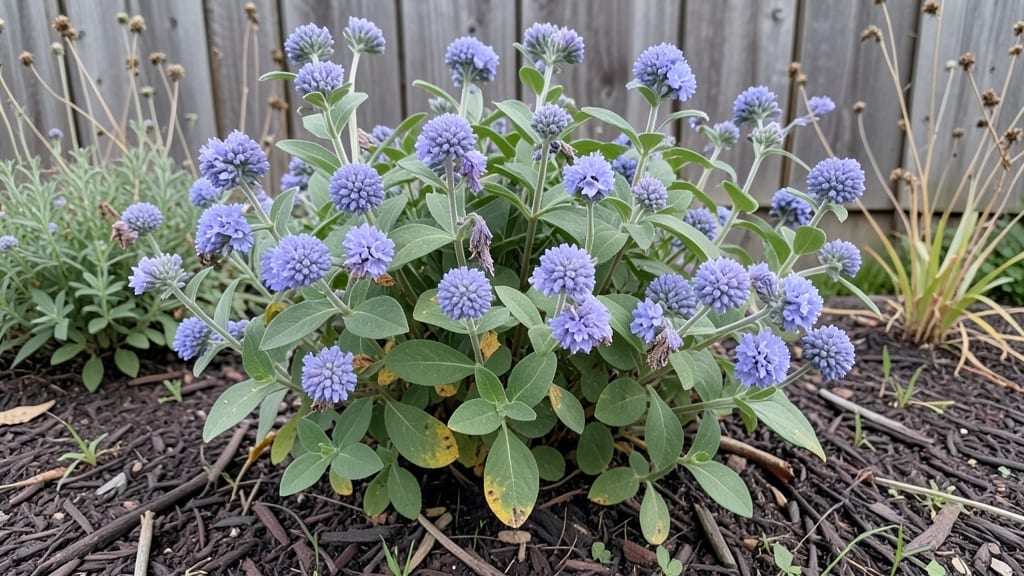
The garden heliotrope plant's intoxicating vanilla scent at dusk is what makes it a nighttime garden star. I remember the first time I walked past my neighbor's heliotrope and got swept up in that sweet, creamy fragrance—it was like finding a hidden perfume garden after sunset.
This isn't just a pretty face; it's a pollinator magnet that keeps bees and moths buzzing long after other flowers have called it quits.
Here's the thing—heliotrope thrives where others struggle. It loves full sun but handles heat better than most tropicals, and its silvery foliage stays attractive even when flowers fade. You'll need well-draining soil (amend heavy clay with compost) and regular watering until established, but once it's happy, it's basically maintenance-free.
The key is planting in spring after your last frost date, giving those roots time to settle before summer's intensity.
By midsummer, you'll have clusters of lavender-blue blooms that perfume the air and attract pollinators you didn't know your garden was missing. The scent is strongest in late afternoon, which is why gardeners swear by it for evening strolls or patio seating areas.
Prune back after flowering to encourage another round of blooms, and watch it bounce back with minimal effort.
Works beautifully in borders, containers, or as a focal point in cottage-style gardens. Even in cooler climates, it often survives winter with good mulch—though I've found it's happiest treated as an annual in zones below 9. Once you grow one, you'll want a dozen for every corner of your garden.
📚 In This Guide
- What you need
- Instructions
- Tips and common mistakes
- Wrapping up and next steps
What you need
- ● Heliotrope plants: 1–3 nursery-grown plants (6–12 inches tall) OR
- ● Seeds (sow 6–8 weeks before your last frost date)
- ● Soil: Well-draining, fertile garden soil (pH 6.0–7.0)
- ○ Optional: Compost or aged manure (1–2 cups per planting hole) for extra nutrients
- ● Planting location: Full sun to partial shade (6+ hours of sunlight for best blooms)
- ● Protected spot from strong winds (helps retain fragrance)
- ● Tools: Trowel or hand shovel
- ○ Garden gloves (optional but recommended!)
- ● Watering can or hose with a gentle spray nozzle
- ● Mulch (straw or shredded bark, 1–2 inches)
- ● Slow-release balanced fertilizer (10-10-10 ratio, apply after planting)
- ● Cage or stakes (for taller varieties, like Heliotrope arborescens)
- ● Fragrance-enhancing companion plants (e.g., lavender, rosemary, or marigolds)
- ● Drip irrigation system (for consistent moisture in dry climates)
How to grow and care for garden heliotrope plants
Here's the straightforward approach I've used to grow fragrant, pollinator-friendly heliotrope that thrives in gardens.
Select the Right Location and Prepare the Soil
Heliotrope thrives in full sun to partial shade, with at least 6 hours of sunlight daily for optimal blooming. Choose a spot that receives morning sun and afternoon shade if you're in a hot climate. The plant's deep roots appreciate well-draining soil, so avoid low-lying areas where water pools.
Before planting, loosen the soil to a depth of 12 inches using a garden fork. Mix in 2-3 inches of compost to enrich the soil naturally. Heliotrope prefers slightly acidic to neutral soil with a pH between 6.0 and 7.5. If your soil is heavy clay, amend it with 1 part sand or perlite to improve drainage—waterlogged roots will quickly rot.
Plant Heliotrope at the Right Time and Depth
Plant heliotrope in early spring, after the last frost date in your area, or in late summer for a fall bloom. Space plants 18-24 inches apart to allow for their bushy growth habit. Dig a hole twice as wide as the root ball but only as deep—planting too deep can suffocate the roots.
Gently remove the plant from its container and loosen any circling roots. Place it in the hole so the top of the root ball sits level with the surrounding soil. Fill in around the roots with native soil, pressing lightly to eliminate air pockets. Water deeply to settle the soil and encourage root contact.
Water and Mulch for Healthy Growth
Water heliotrope deeply once a week during the first growing season, allowing the soil to dry out slightly between waterings. Once established, the plant is drought-tolerant, but consistent moisture during dry spells encourages lush foliage and abundant blooms. You'll know it's time to water when the top 1-2 inches of soil feel dry to the touch.
Apply a 2-3 inch layer of organic mulch, such as shredded bark or straw, around the base of the plant. Keep the mulch 2-3 inches away from the stem to prevent rot. Mulching conserves soil moisture, regulates temperature, and suppresses weeds—all while feeding the soil as it breaks down.
Fertilize and Prune for Continuous Blooms
Feed heliotrope with a balanced, slow-release fertilizer (10-10-10) in early spring to promote vigorous growth. Apply according to package instructions, typically once every 6-8 weeks during the growing season. Avoid over-fertilizing, as this can lead to excessive foliage at the expense of flowers.
Deadhead spent blooms regularly by pinching off the faded flowers just above a set of leaves. This encourages the plant to produce more flowers and extends the blooming season. In late winter or early spring, prune back any dead or damaged stems to 6 inches from the ground. This rejuvenates the plant and promotes bushier growth.
Protect and Maintain Through the Seasons
Heliotrope is relatively pest- and disease-resistant, but watch for aphids, spider mites, or whiteflies, which can be controlled with a strong spray of water or insecticidal soap. If you notice yellowing leaves, it may be a sign of powdery mildew, especially in humid conditions. Improve air circulation by spacing plants properly and avoid overhead watering.
In colder climates, heliotrope is often grown as an annual, but in USDA zones 9-11, it can be a perennial. If you're in a cooler zone, dig up the plant in fall before the first frost and pot it up. Overwinter it indoors in a bright, cool spot, watering sparingly until spring. With proper care, your heliotrope will reward you with fragrant blooms and a steady stream of pollinators all season long.
Tips & tricks for perfect garden heliotrope care
A few insider tricks will help your heliotrope thrive and reward you with those intoxicating nighttime blooms you've been dreaming of.
Soil Preparation Secret: When amending your soil with compost in Step 1, mix in a handful of crushed eggshells along with the 2-3 inches of compost. This adds calcium that strengthens cell walls, making your heliotrope more resistant to diseases like powdery mildew. The eggshells break down slowly, providing a steady nutrient release as your plant establishes itself.
Planting Depth Check: In Step 2, I can't stress enough how critical proper depth is. After placing your plant in the hole, press your finger about an inch down into the surrounding soil—this should be level with the top of the root ball. Too deep and you'll suffocate those roots; too shallow and the plant may topple in wind. A good trick is to draw a line around the root ball with a pencil before removing it from the pot.
Watering Wisdom: The once-a-week watering guideline in Step 3 works best when you water deeply—aim for about 1 gallon per plant each time. For a visual cue, use a soil moisture meter or simply stick your finger 1-2 inches into the soil. If it feels dry, that's your signal. Early morning watering prevents fungal issues by allowing foliage to dry completely before nightfall.
Fertilizer Timing: When applying that 10-10-10 fertilizer in early spring (Step 4), split the dose into two applications—half right after planting and the second portion 6-8 weeks later. This gradual feeding prevents nutrient burn while still promoting strong root development. I've found that heliotrope responds beautifully to this staggered approach, producing more abundant blooms throughout the season.
Pro Tips for Garden Heliotrope Plant
- A few insider tricks will help your heliotrope thrive and reward you with those intoxicating nighttime blooms you've been dreaming of.
- Soil Preparation Secret: When amending your soil with compost in Step 1, mix in a handful of crushed eggshells along with the 2-3 inches of compost.
- Planting Depth Check: In Step 2, I can't stress enough how critical proper depth is.
Frequently asked questions
about growing garden heliotrope—your go-to guide for fragrant success!Is garden heliotrope easy to grow for beginners?
Heliotrope thrives in well-drained soil and full sun to partial shade. It’s drought-tolerant once established and rarely bothered by pests, making it a low-maintenance choice. Just ensure good airflow to prevent fungal issues—even beginners can enjoy its sweet, vanilla-like scent!
How long does it take for heliotrope to bloom?
With proper care, you’ll see blooms 8–12 weeks after planting from seeds (longer in cooler climates). If starting with transplants, expect flowers in 6–8 weeks. Pinch back young plants to encourage bushier growth and more abundant blooms!
Why aren’t bees visiting my heliotrope?
Heliotrope’s fragrance peaks at dusk and night, so daytime pollinators like bees may prefer other flowers. To attract more bees, plant it near daytime bloomers like lavender or marigolds. Moths and butterflies love heliotrope—perfect for evening gardens!
Can I grow heliotrope in containers?
Yes! Heliotrope adapts well to containers (use pots 12+ inches wide) with drainage holes. Choose a lightweight mix with perlite or sand. Place pots in full sun and water when the top inch of soil dries. Deadhead spent blooms to prolong flowering—container-grown heliotrope makes a stunning patio centerpiece!
Is garden heliotrope frost-hardy?
Heliotrope is tender perennial in zones 9–11. In colder climates, treat it as an annual or overwinter indoors. Mulch heavily before frost, but expect dieback in freezing temps. Save seeds or cuttings for next year’s garden—its fragrance is worth the effort!
Wrapping up and next steps
Adding a garden heliotrope plant to your space isn’t just about beauty—it’s about creating a fragrant, pollinator-friendly haven that thrives in the evening breeze. 🌙 With its low-maintenance care and irresistible scent, this plant is perfect for gardeners of all levels.
Whether you’re a beginner or a seasoned pro, now’s the time to plant, nurture, and enjoy the magic of heliotrope!
Ready to transform your garden? Pick your spot, grab your supplies, and start planting today! Your future evening strolls will thank you.