
Tools
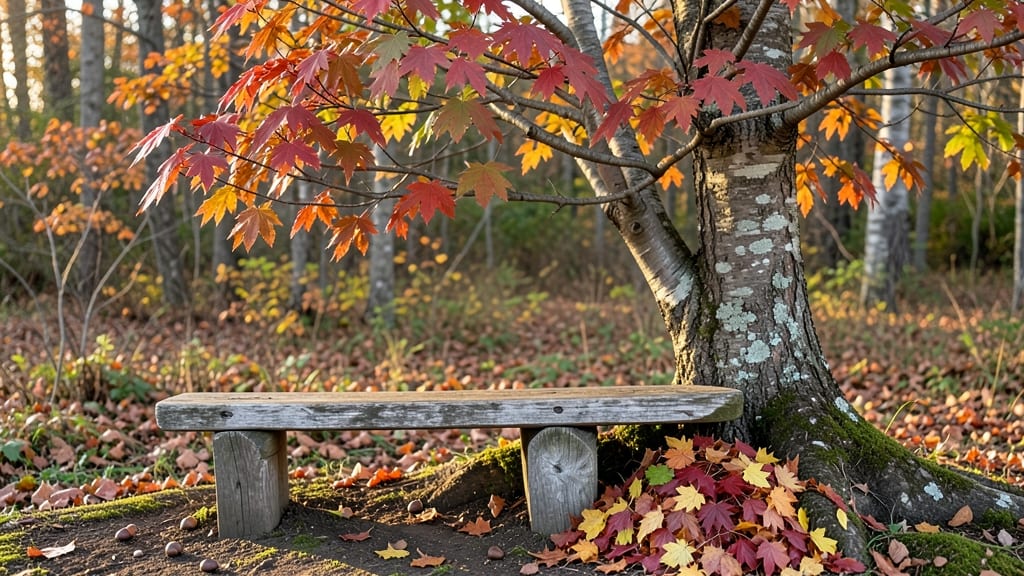
Fall planters are where seasonal magic happens—where late-season blooms meet crisp air and your garden stays vibrant when everything else fades. 🌿 I learned the hard way that skipping fall containers means a dull yard by November, but the right mix of plants and placement keeps color popping until frost.
The key is choosing cold-hardy annuals and perennials that thrive in cooler temps without needing constant deadheading.
You’ll need containers with drainage, a well-draining potting mix, and plants that handle light frosts—think pansies, ornamental kale, and sedum. Most setups take under an hour to assemble, and the results?
A front porch or patio that looks intentional, not neglected. I’ve used everything from galvanized troughs to vintage milk cans, so creativity matters more than budget.
By mid-October, your planters will be the showstopper of the neighborhood—deep burgundy pansies against silver-blue dusty miller, or fiery orange mums paired with chartreuse grass. The best part?
These plants stay lively through first frost, and many even bounce back in spring with minimal cleanup. No more barren planters when everyone else’s garden goes quiet.
Works for urban balconies, rural porches, or anywhere with a few hours of sunlight. The same principles apply whether you’re in Zone 5 or Zone 8—just adjust plant choices for your last frost date. Let’s get those containers prepped before the leaves start falling for real.
📚 In This Guide
- What you need
- Instructions
- Tips and common mistakes
- Wrapping up and next steps
What you need
- ● Planters (2-4 containers): Width: 12–18 inches (for small planters) or 24+ inches (for statement pieces)
- ● Depth: 8–12 inches (sufficient for root systems)
- ● Material: Terracotta, fiberglass, or weather-resistant plastic (terracotta adds rustic charm but may require winter protection)
- ● Potting Soil: Quantity: 1–2 cubic feet per planter (or ~12–24 quarts)
- ● Type: High-quality, well-draining mix (look for blends labeled for containers or perennials)
- ● Drainage Layer: Pebbles, gravel, or perlite (1–2 inches per planter)
- ● Fall-Focused Plants (3–5 per planter): Ornamental Grasses: Miscanthus, Carex, or Pennisetum (1–2 plants, 1–3 feet tall)
- ● Hardy Perennials: Heuchera (coral bells), Sedum (stonecrop), or Russian Sage (1–2 plants)
- ● Annuals for Color: Pansies, Snapdragons, or Dusty Miller (3–5 plants, depending on size)
- ● Accent Plants: Dwarf Fountain Grass or Ornamental Kale (1–2 plants for texture)
- ● Garden Gloves (1 pair, waterproof and reinforced)
- ● Trowel or Small Shovel (for planting and soil adjustments)
- ● Pruners (bypass pruners for clean cuts)
- ● Watering Can or Hose with Nozzle (with a gentle spray setting)
- ● Measuring Tape or Ruler (to space plants evenly)
- ● Slow-Release Fertilizer (granular, 10-10-10 or balanced formula)
- ● Mulch: Shredded bark or pine straw (1–2 inches to retain moisture)
- ● Decorative Stones or Moss (for a polished, natural look)
- ● LED Garden Lights (solar-powered for evening ambiance)
- ● Plant Labels (to track varieties and care needs)
Step-by-Step guide for creating stunning fall planters
Here’s how to craft vibrant, low-maintenance fall displays that thrive with seasonal interest.
🪴 Step 1: Select the Right Containers and Drainage
Choose containers with drainage holes—terracotta or fiberglass work best for fall’s cooler temperatures. I prefer 12-18 inch diameter pots for four plants each, as they create a balanced, full look. If your containers lack drainage, drill holes in the bottom to prevent root rot. Line the base with a 1-inch layer of pebbles or broken pottery to ensure excess water escapes without soil washing out.
Here’s the thing—fall planters need to handle morning dew and occasional rain. If your pot is shallow, add a 2-inch layer of lightweight potting mix over the drainage layer to give roots room to establish before hitting the bottom. This extra space keeps roots oxygenated, which is critical when cooler temps slow growth.
🌿 Step 2: Layer Soil and Amendments for Seasonal Health
Fill containers with high-quality potting mix mixed with 20% perlite or pumice for aeration. I add a slow-release fertilizer to the bottom third of the pot—this ensures nutrients last through fall’s shorter growing season. Pack the mix firmly but not tightly; you want it to hold plants upright while still allowing water to penetrate.
For fall, I top-dress with 1 inch of compost mixed into the top layer. This feeds roots gradually and improves moisture retention, which is key when daytime highs drop and nights grow chilly. Avoid garden soil—it compacts and invites fungal diseases that thrive in damp fall conditions.
☀️ Step 3: Choose Plants for Layered Color and Texture
Select three plants per pot: a thriller (like ornamental grass or tall snapdragon), a filler (such as dusty miller or heuchera), and a spiller (like creeping thyme or lobelia). For fall, I opt for deep purples, fiery oranges, and rich golds—colors that pop against cooler tones. Place the thriller in the center, fillers around it, and spillers at the edges.
Watch for plants with foliage interest, like smoked purple basil or burgundy kale, which hold color through frost. These varieties are the stars of fall planters because they deliver visual impact without needing frequent pruning. Space plants so their mature sizes leave 1-2 inches between edges—this prevents overcrowding as they fill in.
💧 Step 4: Water and Mulch for Fall’s Changing Conditions
Water thoroughly after planting, then let the top 1-2 inches of soil dry out between waterings. Fall’s variable weather means you’ll need to adjust—check soil moisture daily at first, then taper to every 2-3 days as temperatures drop. Use a watering can with a fine rose to avoid disturbing the soil surface, which can dislodge young plants.
Top with 1 inch of mulch (like shredded bark or pine needles) to insulate roots and retain moisture. This step is non-negotiable in fall: mulch acts like a blanket, protecting plants from temperature swings that can stress roots. Just keep mulch 2 inches away from stems to prevent rot.
✂️ Step 5: Prune Strategically for Season-Long Beauty
Deadhead spent blooms weekly to encourage new growth, but avoid cutting back more than ⅓ of the plant’s height. For fall, focus on shaping rather than heavy pruning—this maintains structure while allowing foliage to shine. If a plant looks leggy, trim the longest stems to just above a leaf node; this prompts bushier growth and keeps the planter full.
Real talk: Fall planters need less pruning than summer ones, but don’t ignore them. A quick trim every 2 weeks keeps them tidy and extends their display life. If frost threatens, move containers to a sheltered spot or cover with frost cloth at night—this buys you extra weeks of color before winter sets in.
Tips & tricks for perfect fall planters
These garden-inspired secrets will help you create fall displays that stay vibrant and healthy all season long.
Container Selection Matters: Terracotta pots excel at wicking moisture, which is perfect for fall's variable weather patterns. If you're using fiberglass, make sure it has drainage holes drilled—these containers can trap excess moisture when temperatures dip. For shallow pots, add that extra 2-inch layer of lightweight potting mix over the drainage layer in Step 1. This creates a buffer zone that prevents roots from hitting the bottom too quickly, which is especially important when cooler temperatures slow growth.
Soil Layering Strategy: The 20% perlite or pumice in Step 2 isn't just for aeration—it helps prevent soil compaction that often occurs in fall when we get more rainfall. I like to mix in a handful of worm castings with the compost layer for extra microbial activity, which gives your plants an immune boost during seasonal transitions. Remember to pack the soil firmly but not tightly after adding amendments; this creates a sturdy foundation that won't settle and compress over time.
Plant Placement Pro Tip: When arranging your thriller, filler, and spiller plants in Step 3, imagine the mature size of each variety. The 1-2 inch spacing between edges should be measured from their current size, not their final dimensions. For example, if you're using tall snapdragons as your thriller, give them more space at the center than you would a shorter ornamental grass. This prevents overcrowding as they fill in during fall's growth spurts.
Watering Wisdom: The 1-2 inch soil dryness check in Step 4 is crucial—fall's morning dew can fool you into thinking plants have enough moisture. I recommend using a moisture meter for the first week to get a feel for your specific planter's needs. Once you've established a routine, you'll notice when to adjust from daily checks to every 2-3 days as temperatures naturally drop. Always water in the morning to allow foliage to dry before evening dew sets in.
Pro Tips for Garden In Fall
- These garden-inspired secrets will help you create fall displays that stay vibrant and healthy all season long.
- Container Selection Matters: Terracotta pots excel at wicking moisture, which is perfect for fall's variable weather patterns.
- Soil Layering Strategy: The 20% perlite or pumice in Step 2 isn't just for aeration—it helps prevent soil compaction that often occurs in fall when we get more rainfall.
Frequently asked questions
What are the best fall flowers for planters that require little pruning?
Opt for hardy, self-cleaning blooms like mums (chrysanthemums), sedum, pansies, or ornamental kale. These thrive in cooler weather, resist pests, and often drop spent blooms naturally, cutting down on upkeep. Mix textures (e.g., mums + sedum) for layered interest with zero fuss!
How often should I water fall planters compared to summer?
Water less frequently—typically 2–3 times per week (or when the top inch of soil feels dry). Fall’s cooler temps slow evaporation, but containers still dry out faster than ground soil. Morning watering prevents fungal issues, and mulch (like shredded bark) locks in moisture. Pro tip: Group planters together to conserve water efficiently!
Can I reuse my summer planters for fall without cleaning them?
Not ideal! Clean them first to remove old soil, debris, and pests (like aphids or fungal spores). Scrub with a 10% vinegar solution or mild soap, rinse well, and let dry in the sun. Skip this step, and you risk stunted growth or diseases. Bonus: Disinfect tools (shears, trowels) too for a fresh start!
Do fall planters need protection from early frost?
Most fall-blooming plants tolerate light frosts (28–32°F), but tender perennials (like pansies) may need lightweight row covers or moving indoors overnight. Hardy annuals (e.g., sedum) often survive until winter. Monitor forecasts—if frost is predicted, water deeply the night before to help roots withstand cold.
What can I do if my fall planter looks leggy or sparse?
Leggy growth? It’s often due to too much shade or inconsistent light. Relocate the planter to 6+ hours of sunlight daily (even west-facing spots work). For sparse blooms, fertilize lightly with a balanced, water-soluble formula (half-strength) or swap out a third of the soil for fresh, nutrient-rich mix. Deadhead spent blooms (but sparingly!) to encourage reblooming.
Pro Tip: Extend your fall display with these hacks!
- Add seasonal accents: Mini pumpkins, gourds, or pinecones elevate the look without extra care.
- Use evergreens: Mix in boxwood or heather for year-round structure.
- Insulate pots: Wrap containers in bubble wrap or burlap to protect roots in sudden cold snaps.
Wrapping up and next steps
Fall is the perfect time to bring your garden’s beauty indoors with garden-inspired planters—and the best part? They require minimal effort to keep them stunning all season long! 🍂 Whether you’re a seasoned gardener or just starting out, these planters are your ticket to low-maintenance, high-impact color.
With the right materials and a little creativity, you’ll enjoy vibrant blooms and lush greenery without the pruning hassle.
Ready to dive in? Start small—pick one planter, gather your supplies, and let your fall decorating journey begin! 🌟 Recap the essentials here or browse FAQs for extra tips before you get growing.