
Tools
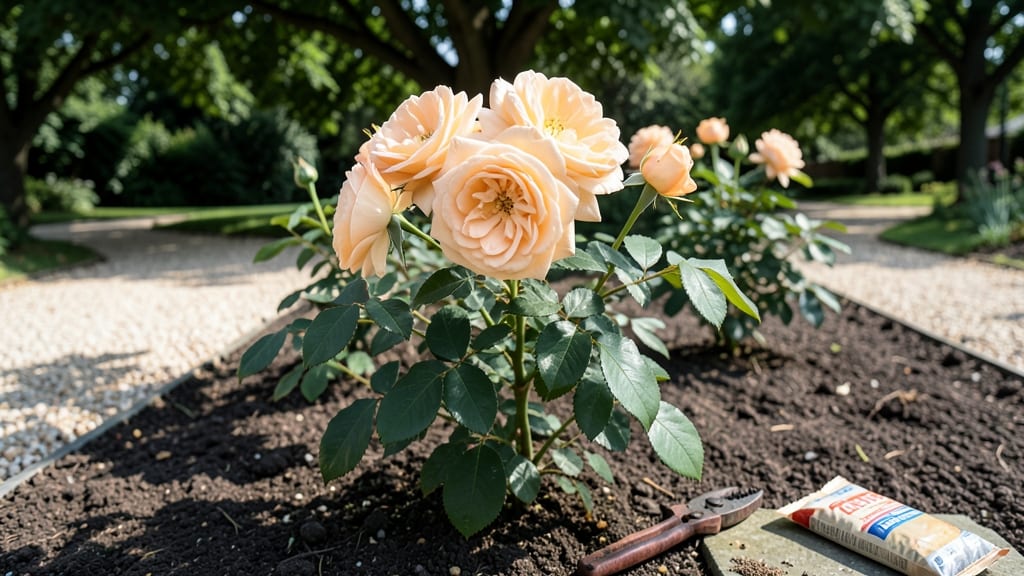
The peach-pink blooms of Garden Rose peach trees turn my spring garden into a soft, dreamy cloudburst of color—no pruning frenzy required. 🌸 These roses aren’t your fussy, high-maintenance varieties; they’re the easygoing cousins that reward you with fragrance and flowers while you sip coffee in the morning.
I planted mine five years ago, and they’ve never needed more than a light trim to keep their shape. The secret lies in their natural growth habit: they sprawl beautifully without becoming unruly, and their disease resistance means fewer headaches than traditional roses.
Start by picking a spot with at least 6 hours of sunlight daily—morning sun and afternoon shade work best in hot climates. The soil should drain well but stay moist; amending with compost before planting gives them a head start.
Space them 3-4 feet apart to allow for their eventual width, and water deeply after planting to settle the roots. Unlike finicky roses, these thrive in average garden soil and don’t demand rich amendments, though a balanced fertilizer in early spring keeps them blooming prolifically.
The real magic? Their semi-evergreen foliage stays lush year-round in mild winters, adding texture even when flowers fade.
By summer, you’ll be harvesting clusters of peach-pink blooms that smell like a sun-warmed orchard, and the best part is the minimal upkeep. Prune just enough to open the center of the plant in late winter—no harsh cuts, no shaping stress.
Deadhead spent blooms to encourage more flowers, but skip the heavy-handed pruning that stresses other roses. Pests rarely bother them, and when they do, a soapy water spray or neem oil keeps them at bay without harsh chemicals. The result?
A rose that feels like a hug for your garden—beautiful, forgiving, and effortlessly charming.
These roses shine in border plantings, trellises, or even as a low hedge, making them perfect for gardeners who want color without the commitment. Whether you’re a first-time grower or a seasoned rosarian tired of high-maintenance varieties, this peach-pink beauty delivers year-round interest with almost no fuss.
Let’s get yours planted before the next bloom season—your garden (and your back) will thank you.
📚 In This Guide
- What you need
- Instructions
- Tips and common mistakes
- Wrapping up and next steps
What you need
- ● Garden Rose Peach Tree: 1 healthy, disease-resistant sapling (bare-root or potted, 1-2 years old). Look for varieties like 'Peach Blossom' or 'Red Haven' for vibrant blooms.
- ● Well-draining soil: 5-10 bags of high-quality potting mix or garden soil (amend with compost for nutrients).
- ● Fertilizer: 1 bag of balanced, slow-release fertilizer (10-10-10 ratio) or organic options like fish emulsion or compost tea.
- ● Mulch: 2-3 cubic feet of organic mulch (wood chips, straw, or pine bark) to retain moisture and suppress weeds.
- ● Watering can or hose: With a gentle spray nozzle for even hydration.
- ● Pruning shears: Sharp, clean bypass pruners (sterilize with rubbing alcohol between cuts).
- ● Garden gloves: 1 pair to protect hands from thorns and soil.
- ○ Staking system: 2-3 wooden stakes + soft ties (optional, for young trees in windy areas).
- ○ Tree guard or protective wrap: 1 roll (optional, to shield trunk from pests or sunburn).
- ○ pH test kit: 1 kit (optional, to check soil acidity—ideal range: 6.0-7.0).
- ○ Epsom salt: Small bag (optional, for magnesium boost during blooming season).
- ○ Decorative stakes or trellis: (Optional, for shaping or adding aesthetic appeal).
Step-by-Step guide to planting and maintaining garden rose peach trees
Here’s the straightforward approach I’ve used to grow stunning, low-maintenance rose peach trees that bloom beautifully year-round.
🪴 Step 1: Select and Prepare the Planting Site
Choose a location with full sun exposure (6-8 hours daily) and well-draining soil—peach trees hate soggy roots. I dig a hole twice as wide as the root ball but only as deep as the container’s base. This prevents burying the graft union, which can weaken the tree over time.
Amend the native soil with 3-4 inches of compost mixed into the bottom of the hole. Peach trees thrive in slightly acidic to neutral soil (pH 6.0-7.0). If your soil is heavy clay, add a layer of sand or gravel at the bottom to improve drainage. Water the hole thoroughly before planting to settle the soil.
🌱 Step 2: Plant the Tree with Proper Spacing and Support
Gently remove the tree from its container and loosen any circling roots with your fingers. Place it in the hole so the graft union sits 2-3 inches above soil level. This protects against disease and ensures strong regrowth. Backfill with native soil mixed with compost, tamping lightly as you go to eliminate air pockets.
For four trees, space them 20-25 feet apart in a square pattern to allow airflow and easy maintenance. Install a sturdy wooden stake or metal post next to each tree and secure it with flexible tree ties. Peach trees grow quickly, so avoid tight ties that can girdle the trunk as it thickens.
☀️ Step 3: Water Deeply and Mulch for Retention
Water the newly planted tree deeply—10-15 gallons spread evenly over the root zone. This encourages roots to spread outward rather than staying shallow. After watering, apply a 3-inch layer of organic mulch (wood chips or straw), keeping it 6 inches away from the trunk to prevent rot.
Mulch helps retain moisture and regulate soil temperature, which is critical during peach tree’s first growing season. Replenish mulch annually in late winter to maintain the 3-inch depth. Avoid synthetic mulches—they can suffocate roots and disrupt soil biology.
✂️ Step 4: Prune Strategically for Year-Round Blooms
Prune in late winter or early spring before buds swell. Remove dead, diseased, or crossing branches first, then thin the canopy to allow sunlight to reach the center. I target 15-20% of the tree’s total branches—this keeps the shape open and encourages new growth.
For minimal effort, focus on selective heading cuts (shortening branches by ¼ to ⅓) rather than heavy pruning. This maintains the tree’s natural form while stimulating vibrant blooms. Avoid pruning in fall—it invites disease and weakens the tree before winter dormancy.
💧 Step 5: Monitor and Maintain Through the Seasons
Water deeply once a week during the first growing season, increasing to twice weekly in extreme heat or drought. Peach trees are drought-tolerant once established, but young trees need consistent moisture. You’ll know they’re thirsty when leaves droop slightly in the afternoon—water then, not when they’re wilted.
Fertilize lightly in early spring with a balanced 10-10-10 fertilizer (follow package rates). Over-fertilizing leads to excessive leaf growth at the expense of fruit and flowers. Watch for pests like aphids or scale—spray with neem oil at the first sign of infestation to keep trees healthy without harsh chemicals.
Tips & tricks for perfect garden rose peach trees
These game-changing insights will transform your rose peach trees into vibrant, low-maintenance showstoppers that reward you with year-round color.
Soil Prep Secret: In Step 1, when amending your hole with 3-4 inches of compost, mix in a handful of mycorrhizal fungi (available at garden centers) to boost root development. This invisible upgrade creates a symbiotic relationship that helps roots absorb water and nutrients more efficiently. For clay-heavy soils, consider adding perlite instead of gravel—it improves drainage without compacting like sand might over time.
Planting Precision: The 2-3 inches above soil level for the graft union in Step 2 is non-negotiable, but here's the pro move: mark the graft union with a waterproof paint pen before planting. This visual cue prevents you from burying it deeper during backfilling, especially when working with multiple trees. Also, use a soil moisture meter to verify your 10-15 gallons of water actually penetrated to the root zone—this prevents overwatering while ensuring proper saturation.
Pruning Hack: For Step 4's selective heading cuts, I've found that using sharp, bypass pruners (not anvil pruners) creates cleaner cuts that heal faster. Make your cuts just outside the branch collar—the swollen area where the branch meets the trunk—and at a 45-degree angle. This technique reduces disease entry points and promotes faster regrowth. Pro tip: Prune on a dry day when temperatures are above 50°F to minimize stress on the tree.
Year-Round Maintenance: The once-weekly watering in Step 5 works beautifully, but here's how to optimize it: install a drip irrigation system with emitters placed 12 inches from the trunk. Set it to deliver 1-1.5 gallons per hour for 10-15 minutes, 2-3 times per week. This deep, slow watering mimics natural rainfall and encourages deeper root growth. For established trees, you can reduce to weekly watering during mild weather, but always check for that afternoon leaf droop signal first.
Pro Tips for Garden Rose Peach
- These game-changing insights will transform your rose peach trees into vibrant, low-maintenance showstoppers that reward you with year-round color.
- Soil Prep Secret: In Step 1, when amending your hole with 3-4 inches of compost, mix in a handful of mycorrhizal fungi (available at garden centers) to boost root development.
- Planting Precision: The 2-3 inches above soil level for the graft union in Step 2 is non-negotiable, but here's the pro move: mark the graft union with a waterproof paint pen before planting.
Frequently asked questions
How often should I prune a Garden Rose Peach tree?
Pruning is minimal for this low-maintenance tree! Focus on removing dead, diseased, or crossing branches in late winter or early spring. Light shaping in summer after blooming keeps it tidy. Avoid heavy pruning—these trees thrive with just a little TLC. Pro tip: Use clean, sharp tools to prevent damage!
When is the best time to plant a Garden Rose Peach tree?
Plant in early spring or fall when temperatures are mild (50–70°F). Avoid extreme heat or frost, which can stress the roots. Choose a spot with full sun (6+ hours/day) and well-draining soil. Water deeply after planting to encourage root growth. Pro tip: Mulch around the base to retain moisture!
Why aren’t my Garden Rose Peach blooms lasting long?
Short-lived blooms often mean overwatering, poor drainage, or nutrient deficiencies. Ensure the soil drains well and water only when the top 2 inches are dry. Feed with a balanced fertilizer in early spring. Pro tip: Deadhead spent blooms to encourage new growth!
Can I grow a Garden Rose Peach in a container?
Yes! Use a large pot (15+ gallons) with drainage holes and well-draining potting mix. Place in full sun and water regularly. However, container-grown trees may produce fewer blooms than in-ground plants. Pro tip: Rotate the pot occasionally for even growth!
What pests should I watch for on Garden Rose Peach trees?
Common pests include aphids, spider mites, and scale insects. Inspect leaves regularly and hose off pests with water. For severe infestations, use neem oil or insecticidal soap. Healthy trees with good airflow resist pests better. Pro tip: Encourage beneficial insects like ladybugs!
Still stumped?
Drop your question in the comments—we’re happy to help your Garden Rose Peach thrive!
Wrapping up and next steps
Garden Rose peach trees are a game-changer for gardeners who crave beauty with minimal fuss! 🌸 Their stunning blooms, fragrant peach-like flowers, and low-maintenance care make them a standout choice for year-round color. Whether you're a seasoned gardener or just starting out, these trees bring effortless elegance to any landscape.
Ready to transform your garden? Start by selecting the perfect spot, gathering your tools, and planting with confidence. Your dream garden is just a few steps away—go ahead and make it bloom! 🌱