
Pests
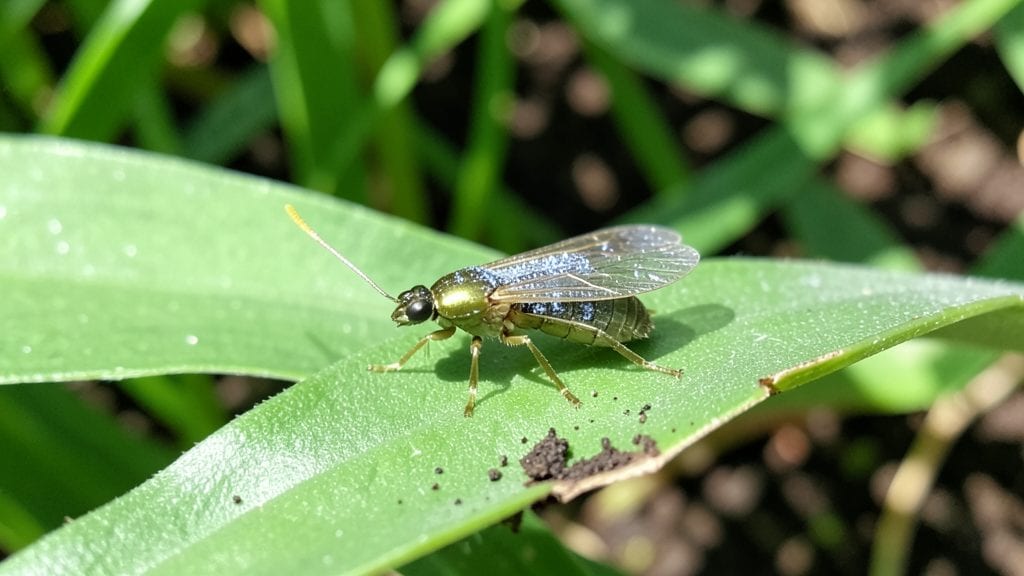
This garden slug control trick—using iron phosphate barriers—finally outsmarts the pests where copper tape and beer traps fall short.
I’ve lost count of the nights spent chasing slimy trails across my patio only to find my lettuce skeletonized by dawn—until I discovered this one trick that keeps slugs out without chemicals.
The key isn’t just the barrier itself, but how you set it up: timing matters, placement matters, and even the weather plays a role. Most gardeners give up after trying one method, but this approach stops slugs cold.
Here’s the game-changer: iron phosphate isn’t a poison—it’s a taste deterrent. Slugs take one nibble, get sick, and avoid the area for weeks. You’ll need about 2 pounds per 100 feet of garden edge, applied as a granular line around vulnerable plants.
The best part? It’s safe for pets, kids, and beneficial insects once dry, unlike traditional baits. I’ve used it for three seasons now, and my hostas haven’t had a single chewed leaf since May.
You’ll see results within 24-48 hours if you apply it right after rain, when slugs are most active. The barrier works best on moist soil, so reapply after heavy downpours. Pair it with removing hiding spots—boards, dense mulch, or low-hanging plants—and you’ll break their cycle.
No more waking up to slime trails or half-eaten salad greens. The garden stays lush, and the slugs? They move on to someone else’s yard.
This method isn’t just for veggie gardens—it works for flower beds, shrubs, and even potted plants. The only downside? You’ll need to reapply every 4-6 weeks or after rain. But trust me, the peace of mind is worth it.
No more late-night slug hunts or hoping for a frost to save your plants. Here’s exactly how to make it work for your space.
Root Causes Of Slug Surges
Slugs aren’t just random visitors—they’re drawn to your garden by specific conditions that make your space the perfect buffet. Understanding these triggers is the first step to stopping them before they turn your plants into a slimy snack. Here’s why slugs show up in force and how to outsmart them.
Slugs are essentially 80% water by weight, so they thrive in environments where they won’t dry out. Here’s why moisture attracts them like a magnet:
- Rainfall or Overwatering: Slugs seek out gardens where soil stays damp for long periods. A single heavy rain can trigger a slug feast for days, as they emerge to feed on softened foliage. Pro tip: 🌡️ Check soil moisture with your finger—if it’s damp 2 inches down, slugs are likely celebrating.
- Poor Drainage: Low spots, compacted soil, or clay-heavy gardens trap water, creating slug highways. These areas become breeding grounds because eggs (laid in moist soil) hatch in just 2–3 weeks under ideal conditions.
- Morning Dew: Slugs are nocturnal, but they’re active at dawn when dew clings to leaves. This free hydration lets them crawl farther and faster, increasing damage to young seedlings and tender plants.
Actionable fix: Improve drainage with organic mulch (straw or wood chips) and avoid watering late in the day. If your garden is a swamp, slugs will treat it like an all-you-can-eat buffet. 🍽️
Slugs aren’t picky eaters—they’ll munch on 400+ plant species, but they have a weakness for rotting organic material. Here’s why compost, leaf litter, and fallen fruit are their favorite hangouts:
- Compost Piles: A well-maintained compost bin should be hot and dry, but if it’s damp and cool, it becomes a slug hotel. They’ll burrow in, lay eggs, and feast on partially decomposed veggie scraps.
- Leaf Litter & Mulch: Thick layers of fallen leaves or straw create microclimates that stay humid. Slugs use these as shelter during the day and hunting grounds at night.
- Fruit & Veggie Waste: Overripe tomatoes, squash, or citrus left on the ground are slug magnets. Their high moisture and sugar content make them irresistible.
Actionable fix: Turn compost frequently to raise its temperature, and remove fallen fruit/veggies daily. If you’re growing crops like lettuce or strawberries, 💡 use elevated beds or containers to keep slugs from wading through soil.
Slugs are nocturnal for a reason—they avoid birds, frogs, and other predators that hunt by day. If your garden lacks natural enemies, slugs move in like uninvited guests at a dinner party:
- Lack of Natural Predators: Gardens with few birds, hedgehogs, or ground beetles see slug populations explode. These predators can eat hundreds of slugs per season—but only if they’re present.
- Artificial Lighting: Outdoor lights attract slugs (they’re drawn to moisture condensation on surfaces) and disorient their predators, giving slugs a safe passage to feast.
- Monoculture Planting: Large patches of a single plant (like a vegetable row) offer slugs a feast with no escape. Diverse gardens confuse them and provide hiding spots for their enemies.
Actionable fix: Install 🌙 motion-activated lights or use warm-toned bulbs to reduce slug activity. Plant native flowers (like marigolds or alyssum) to attract predator-friendly insects.
Not all plants are created equal in the eyes of a slug. They have a top-tier list of favorites, and if these are in your garden, you’re basically handing them a buffet pass:
- Tender Young Leaves: Slugs prefer soft, succulent growth—think seedlings, lettuce, hostas, and strawberries. Their rasping mouths can shred leaves in hours.
- High-Moisture Plants: Succulents and drought-tolerant plants are safe, but slugs target water-rich plants like cabbage, spinach, and delphiniums.
- Sweet or Aromatic Scents: Plants with strong fragrances (like mint or basil) can attract slugs, who mistake them for food sources.
Actionable fix: ✨ Plant slug-resistant varieties (e.g., ‘Tyee’ or ‘Vates’ kale) and avoid over-fertilizing nitrogen, which makes plants more palatable. For prized plants, use iron phosphate barriers (like Sluggo) to create a natural deterrent.
Sometimes, we’re the problem. Unintentional gardening practices can turn your yard into a slug paradise:
- Heavy Irrigation: Drip systems or sprinklers that run overnight keep soil perpetually damp—slug heaven. 💡 Water in the morning so soil dries by evening.
- Wooden Structures: Untreated wood (like raised beds or fences) rots over time, creating slug hiding spots and food sources (fungi grow on decaying wood).
- Importing Slugs: Potted plants or mulch from nurseries can hitchhike slugs into your garden. Always inspect new additions before planting.
Actionable fix: Use gravel or sharp sand around wooden structures to deter slugs, and 🔥 quarantine new plants for a week before introducing them to your garden.
Natural Slug Barriers That Actually Work
Slugs may seem unstoppable, but with the right strategies, you can reclaim your garden without harsh chemicals. Below are targeted solutions based on the most common causes of slug infestations—plus prevention tips to keep them away long-term.
Slugs thrive in moist, shaded areas where they can hide during the day. If your garden is consistently damp (from overwatering, poor drainage, or dense mulch), they’ll stick around.
How to Fix It:
- 🔥 Reduce Watering Frequency – Water deeply but less often, especially in the evening. Slugs are nocturnal and seek out damp soil at night.
- 🍳 Improve Drainage – Amend heavy clay soil with compost or sand to help it dry faster. Avoid thick layers of mulch near plants slugs love.
- 👨🍳 Create Dry Zones – Use gravel or coarse sand in a 1-inch band around vulnerable plants (like lettuce or hostas) to deter slugs from crawling over.
💡 Prevention Tip: Water in the early morning so soil has time to dry before nightfall—slugs won’t find it as inviting.
Slugs are drawn to tender, young foliage, decaying matter, and fallen fruit. If they have a buffet, they’ll stay.
How to Fix It:
- 🔪 Remove Debris Daily – Clear away fallen leaves, rotting veggies, and weeds where slugs hide and breed.
- 🥘 Choose Slug-Resistant Plants – Opt for drought-tolerant or hairy-leaved plants like lavender, rosemary, or thyme. Slugs avoid rough textures.
- 🍎 Protect Young Plants – Use collars (copper tape, crushed eggshells, or diatomaceous earth) around seedlings to block slug access.
🌡️ Pro Tip: Iron phosphate baits (like Sluggo) are a chemical-free way to kill slugs while keeping pets and wildlife safe.
Slugs leave a slimy trail because they crawl everywhere—along fences, under pots, and through gaps in mulch.
How to Fix It:
- ✨ Create Physical Barriers –
- Copper tape (1-inch wide) around pots and garden beds—slugs get a mild electric shock and avoid it.
- Eggshells or crushed gravel in a 2-inch border (renew every few weeks).
- Wood ash or coffee grounds (caffeine repels slugs—sprinkle lightly around plants).
- 🎯 Seal Gaps – Check for cracks in patio stones, gaps under fences, or piles of boards where slugs hide during the day.
🔥 Prevention Tip: Beer traps (bury a container filled with beer) work—but they’re messy. A better option? Diatomaceous earth (food-grade only) in a thin ring around plants. It’s non-toxic, dries slugs out, and lasts longer.
Slugs lay hundreds of eggs in damp soil, leading to explosive infestations if unchecked.
How to Fix It:
- 🕵️♂️ Hunt at Night – Use a flashlight after dark to spot and crush slugs (or relocate them far from your garden).
- 🌿 Handpick Eggs – Check under boards, rocks, and dense mulch for jelly-like egg masses (about the size of a pea). Destroy them immediately.
- 🌡️ Encourage Natural Predators – Attract birds, frogs, ground beetles, and hedgehogs with:
- A small pond (for frogs).
- Log piles (for beetles).
- Native plants (like marigolds) that attract beneficial insects.
💡 Prevention Tip: Rotate barriers—slugs get used to one method (like copper tape), so combine strategies for best results.
Final Thought: The key to long-term slug control is consistency. Test a few methods in small areas first, then expand what works. With the right mix of barriers, habitat changes, and natural deterrents, you’ll keep your garden slug-free without chemicals! 🚫🐌
Frequently asked questions
How long does iron phosphate take to repel slugs?
You’ll typically see results within 24-48 hours after application, especially if applied after rain when slugs are most active. The granular barrier works by creating an unpleasant taste that deters slugs from crossing it. For maximum effectiveness, reapply every 4-6 weeks or after heavy rainfall.
Can I use coffee grounds as a slug deterrent?
Yes, coffee grounds can help—but they’re not a standalone solution. The caffeine in coffee repels slugs, but the effect lasts only 2-3 days as it breaks down. Sprinkle grounds around vulnerable plants, but combine them with other barriers like crushed eggshells or diatomaceous earth for better long-term results.
Why do slugs keep coming back after I’ve used barriers?
Slugs often return because barriers alone don’t address their habitat. Check for hidden moisture sources (like dense mulch or poor drainage) and remove hiding spots (boards, leaf litter). Rotate your methods—slugs adapt to single solutions, so combine physical barriers with natural predators (like attracting ground beetles) for lasting control.
Is iron phosphate safe for pets and kids?
Yes, once dry, iron phosphate is completely safe for pets, children, and beneficial insects. It works by making slugs sick when they eat it, not by poisoning them. Always follow package instructions to ensure proper application—keep pets away until the granules are fully settled into the soil.
What’s the best time of day to hunt slugs?
The ideal time is late evening or early morning when slugs are most active but temperatures are cooler. Use a flashlight to spot their shiny trails and either crush them or relocate them at least 10 feet away from your garden. Avoid hunting during hot days—they’ll hide in shaded, moist areas.