
Tools
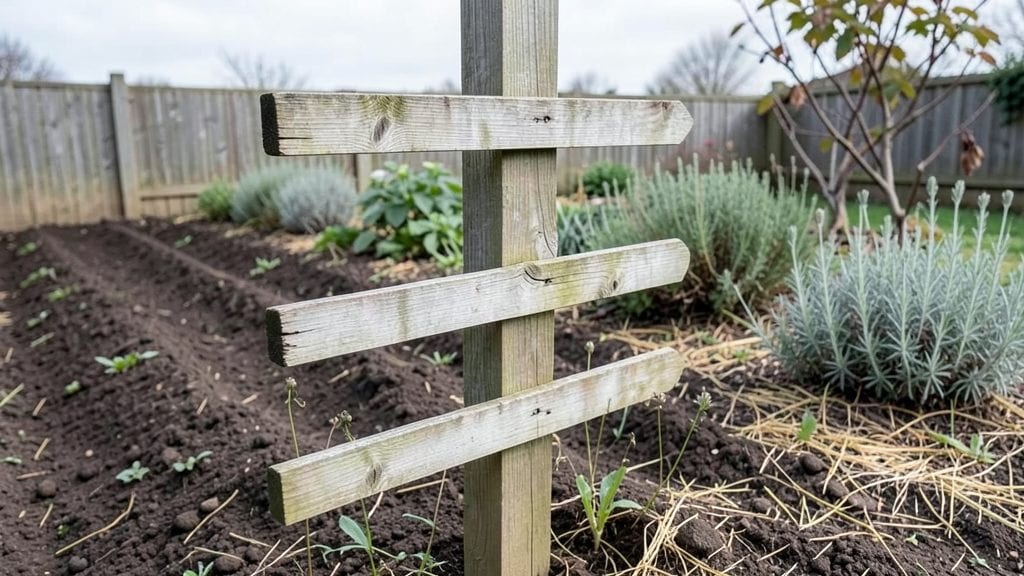
A garden vine trellis can turn a small yard into a vertical jungle of productivity and beauty. I remember my first attempt with a rickety wooden frame—it collapsed under the weight of morning glory vines, but the lesson stuck.
The right trellis transforms climbing plants like grapes, beans, and clematis from sprawling weeds into showstopping features that save space and draw the eye upward.
You don’t need fancy materials to start—simple options include T-posts with wire, powder-coated metal arches, or even DIY lattice panels made from cedar slats. For grapes, go tall with a 12-foot obelisk; for beans, a 4-foot A-frame trellis works perfectly.
The key is matching the trellis height to the plant’s mature size—nothing worse than a vine struggling to reach the top or a trellis bending under the weight.
Once installed, you’ll watch vines climb with shocking speed, their leaves filtering sunlight into dappled patterns across your patio. Imagine fresh-picked grapes within arm’s reach or a neighbor-jealousy-worthy floral display on your balcony.
The best part? Vertical gardens reduce soil erosion, improve airflow, and make harvesting effortless—no more bending over for hours.
Works for everything from container gardens to full backyard layouts. Start small with a single trellis, then expand as your confidence grows—your plants (and back) will thank you.
📚 In This Guide
- What you need
- Instructions
- Tips and common mistakes
- Wrapping up and next steps
What you need
- ● Trellis Structure: Wooden posts (4x4 or 6x6 inches, pressure-treated) – 2-4 posts, depending on size (8-10 ft tall).
- ● Horizontal slats (2x4 or 1x6 lumber) – 6-10 pieces, spaced 6-12 inches apart.
- ○ Metal or wooden stakes (optional for stability) – 4-6 stakes.
- ● Hardware: Galvanized screws or lag bolts (2.5-3.5 inches) – 20-40 screws.
- ● Corner braces (metal or wooden) – 4-6 pieces.
- ○ Outdoor-rated wood glue (optional for extra reinforcement).
- ○ Extras for Aesthetics (Optional): Decorative lattice panels (pre-made or DIY with chicken wire).
- ● Paint or stain (weather-resistant).
- ● Twine, rope, or wire for guiding vines.
- ● Measuring tape and pencil.
- ● Circular saw or handsaw (for cutting wood).
- ● Drill/driver with bits for screws.
- ● Level (to ensure your trellis stands straight!).
- ● Post hole digger or auger (if burying posts).
- ● Staple gun (for attaching twine/wire).
- ● Safety gear: gloves, goggles, and ear protection.
- ● A flat, stable location with partial sun (most climbing vines thrive in 4-6 hours of sunlight).
- ● Clear space for assembly (at least 3x3 ft for a small trellis).
- ● Basic carpentry skills (or a willing friend to help!).
- ● Vine plants ready to climb (e.g., clematis, grapes, or morning glories).
Step-by-Step instructions for building a garden vine trellis
Here's how to create a sturdy, space-saving trellis that guides climbing plants upward without taking up valuable garden real estate.
Choose Your Trellis Design and Materials
For a 4-plant trellis, I recommend using 4-foot tall wooden posts (2x2s) for stability, paired with 1-inch thick horizontal slats spaced 6 inches apart. This creates a classic ladder-style trellis that supports vines like cucumbers, beans, or morning glories. If you prefer a simpler design, bamboo stakes or metal wire mesh work well too—just ensure they can handle the weight of mature vines.
Measure your planting area first. A 4-foot height is ideal for most edible vines, but taller varieties like pole beans may need 6-foot posts. Mark the corners of your trellis with stakes before assembling. I always use galvanized screws (not nails) to prevent rust and ensure long-lasting support.
Assemble the Framework
Start by driving the wooden posts into the ground at each corner, burying 12 inches deep for stability. Use a level to ensure they stand perfectly vertical—uneven posts will cause the trellis to lean. For extra reinforcement, I tie the posts together at the top with heavy-duty twine or zip ties before adding horizontal supports.
Attach the slats or wire mesh between the posts, spacing them 6 inches apart to give vines something to grip. If using wood, pre-drill holes to prevent splitting. For wire mesh, wrap it around the posts and secure with plastic cable ties every 12 inches. This creates a textured surface that vines can cling to naturally.
Train Vines as They Grow
Once your plants reach 6 inches tall, gently guide the main stem upward and tie it to the trellis with soft plant ties (avoid wire or anything that can cut into the stem). I like to use old T-shirts cut into strips—they’re gentle and biodegradable. As the vine grows, encourage side branches to spread across the slats by tucking them into the gaps.
Watch for new growth curling toward the trellis—this is your cue to adjust ties or add more support. Prune any suckers growing downward to focus energy on upward growth. A well-trained vine will cover the trellis in 4-6 weeks, providing shade for smaller plants below.
Maintain and Reinforce Over Time
Check the trellis weekly for loose ties or sagging slats, especially after rain. Vines can become surprisingly heavy once mature, so reinforce any wobbly sections immediately. If using wood, apply a non-toxic sealant annually to protect against rot and pests.
At the end of the season, remove spent vines and clean the trellis with a soapy water solution to prevent mold. Store wooden components in a dry place if disassembling for winter. With proper care, a well-built trellis lasts 5-10 years, giving you years of vertical gardening success.
Tips & tricks for perfect garden vine trellis construction
A few key strategies will help you build a trellis that lasts through multiple growing seasons while providing optimal support for your climbing plants.
Material Selection Matters: When choosing between wooden slats and wire mesh in Step 1, consider your specific vine types. Wooden slats provide better grip for aggressive climbers like cucumbers, while wire mesh works well for lighter vines like morning glories. For maximum durability, opt for cedar or redwood—these naturally rot-resistant woods last significantly longer than pine without needing annual sealant applications. If using metal components, choose galvanized or powder-coated options to prevent rust from affecting structural integrity.
Precision in Assembly: The 12-inch deep burial for posts in Step 2 is non-negotiable for stability, especially in windy locations. Use a post hole digger to create clean, vertical holes rather than digging by hand to ensure consistent depth. For extra reinforcement, I recommend adding diagonal cross-bracing between posts at the base—this creates a triangle structure that distributes weight more effectively. Pre-drilling holes for screws prevents wood splitting, particularly important when working with untreated lumber.
Vine Training Techniques: In Step 3, when training vines at the 6-inch height mark, use a gentle spiral technique rather than tying directly to the slats. This encourages natural twisting that helps the vine grip the structure. For heavy producers like pole beans, consider adding additional horizontal supports at 2-foot intervals up the trellis. The 4-6 week coverage timeline assumes average growing conditions—adjust expectations for cooler climates where vine growth may be slower.
Long-Term Maintenance Strategy: The weekly inspection routine in Step 4 should include checking for woodpecker activity, especially if using untreated wood. Apply sealant in early spring before the growing season begins, and again in early fall after harvest. For wire mesh trellises, consider adding a lightweight mesh "cage" around the base to deter small animals from chewing through the structure. This simple addition can extend your trellis's lifespan by preventing common wildlife damage.
Pro Tips for Garden Vine Trellis
- A few key strategies will help you build a trellis that lasts through multiple growing seasons while providing optimal support for your climbing plants.
- Material Selection Matters: When choosing between wooden slats and wire mesh in Step 1, consider your specific vine types.
- Precision in Assembly: The 12-inch deep burial for posts in Step 2 is non-negotiable for stability, especially in windy locations.
Frequently asked questions
Got questions about garden vine trellises? You’re not alone!
Here are answers to the most common queries to help you choose, install, and maintain the perfect climbing support for your plants.
What’s the best material for a vine trellis?
A durable trellis depends on your needs: wood is classic and sturdy for heavy vines like grapes or wisteria; metal (like powder-coated steel) resists rust and works well for roses or clematis; and plastic or _PVC_ are lightweight and budget-friendly for annuals like morning glories. For eco-conscious gardeners, bamboo or recycled plastic are great alternatives!
When is the best time to install a vine trellis?
Install your trellis early in the season—ideally before planting vines—to give roots time to establish and climb. For perennials (like roses or clematis), set it up in late winter or early spring; for annuals (like beans or cucumbers), plant and trellis within 2–3 weeks of sowing. Pro tip: If retrofitting, gently train existing vines onto the trellis to avoid damaging stems.
Can I use a trellis for non-climbing plants?
While trellises are designed for vines, they’re also great for:
- Supporting heavy foliage (like tomatoes or peppers) to improve airflow and reduce disease.
- Creating vertical gardens with herbs or shallow-rooted plants in fabric pockets.
- Training small trees (like citrus or espaliered fruit trees) for space-saving growth.
How do I keep pests away from my trellised vines?
Pests love trellises too! Prevent issues with these tricks:
- Prune regularly to improve airflow and deter fungi/mold.
- Use row covers for young plants to block aphids or cabbage worms.
- Introduce beneficial insects like ladybugs or lacewings.
- Apply neem oil or insecticidal soap as a natural barrier.
What if my trellis sags or collapses?
Sagging usually means the trellis isn’t secured properly or the plants are too heavy. Fix it by:
- Reinforcing posts with stakes or concrete anchors for stability.
- Adding cross-bracing or guy wires for tall trellises.
- Pruning overgrown vines to distribute weight evenly.
- Upgrading to a heavier-duty material (like thick wood or metal) if needed.
Wrapping up and next steps
A garden vine trellis isn’t just a stylish addition—it’s a game-changer for maximizing space while nurturing your favorite climbing plants! Whether you’re growing grapes, roses, or even edible vines like cucumbers, a sturdy trellis transforms vertical space into a thriving garden oasis. 🌿✨
Now that you’re equipped with the how-tos and pro tips, it’s time to roll up your sleeves and build (or buy!) your trellis. Start small—try a single trellis for a sun-loving vine like morning glories—and watch your garden flourish with minimal footprint. Happy gardening! 🌱💚