
Planting
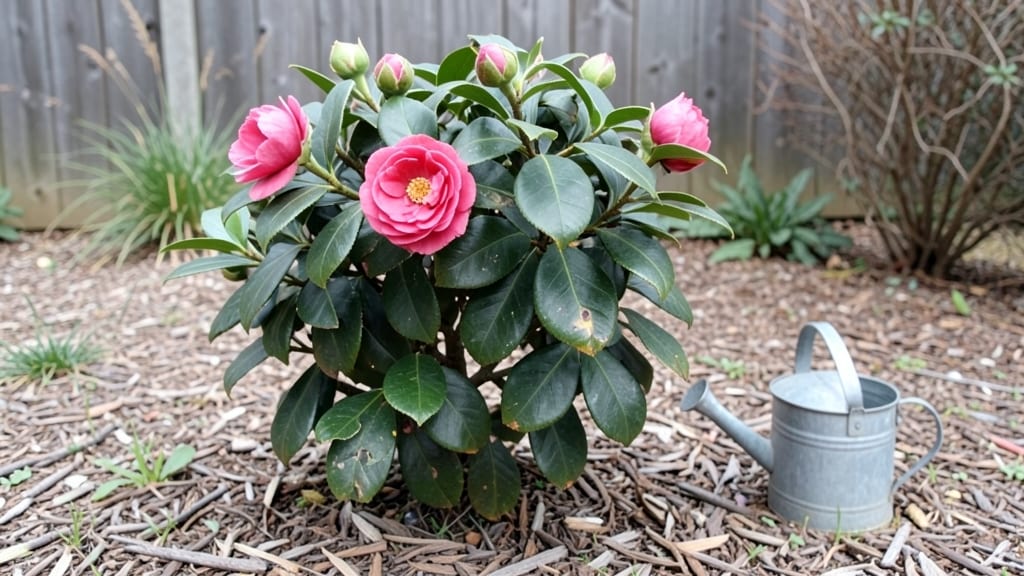
Gardening in Georgia for beginners starts with the right plants 🌱—ones that handle the heat and humidity without fuss.
Georgia’s humid heat can be both a challenge and an opportunity for beginners—if you know which plants to grow. These top 5 heat-loving species will not only survive but thrive in your backyard, giving you bountiful harvests with minimal fuss.
From okra and peppers to rosemary and sunflowers, these plants are perfect for Georgia’s 7a-8b zones. They’re easy to care for and will reward you with delicious results all season long.
In this guide, I’ll walk you through everything you need to know—from planting times and soil prep to dealing with pests. By the end, you’ll be ready to start your own thriving Georgia garden with confidence.
5 Best heat-tolerant plants for Georgia gardens and why they work
Georgia’s humid subtropical climate can feel overwhelming for new gardeners, but the right plants turn challenges into rewards. The key is selecting heat-tolerant varieties that love high temperatures and high humidity—like the five I’ve grown successfully in my own backyard.
These plants don’t just survive summer; they thrive, producing abundant harvests with minimal extra work.
I’ve chosen okra, peppers, sweet potatoes, rosemary, and sunflowers because they match Georgia’s USDA Zones 7a-8b perfectly. Each handles 90°F+ days and high rainfall differently, so you’ll find options whether you want vegetables, herbs, or ornamental plants that add beauty to your landscape.
Here’s why these plants work so well in Georgia’s climate, along with care tips to maximize your success. The summary table below breaks down their key traits at a glance, so you can compare and choose what fits your garden best.
🌱
| Plant | Sun Needs | Water Needs | Mature Size | Harvest Time | Notes |
|---|---|---|---|---|---|
| Okra | Full sun (6-8 hrs) | Moderate (1-1.5 in/week) | 3-6 ft tall, bushy | 75-90 days | Loves heat; drought-tolerant once established |
| Peppers (Bell/Jalapeño) | Full sun (6-8 hrs) | Moderate (1 in/week) | 1-3 ft tall | 60-90 days | Thrives in 80°F+; avoid overwatering |
| Sweet Potatoes | Full sun (8+ hrs) | Low (drought-tolerant) | Vines 10-20 ft long | 90-120 days | Perfect for hot, dry spells; harvest after frost |
| Rosemary | Full sun (6+ hrs) | Low (drought-resistant) | 2-4 ft tall, woody | Year-round (prune as needed) | Drought-proof; great for borders or pots |
| Sunflowers | Full sun (6-8 hrs) | Moderate (1 in/week) | 3-12 ft tall (varies) | 60-120 days | Fast-growing; attracts pollinators |
Let’s start with okra, my go-to for Georgia’s summer heat. This Southern staple produces pods in just 60-70 days and handles 100°F temperatures with ease. I plant mine in late spring after the last frost, spacing seeds 12-18 inches apart in well-draining soil.
Okra’s deep roots help it survive drought conditions, but it still needs consistent moisture during flowering to set fruit.
For peppers, I recommend bell peppers or jalapeños—both love Georgia’s heat and produce sweet or spicy harvests all summer long. These plants need rich, slightly acidic soil (pH 6.0-6.8) and even watering to prevent blossom-end rot.
I’ve found that mulching with straw keeps soil cool and retains moisture, which is crucial in August’s 95°F heat.
Sweet potatoes are another drought-tolerant superstar that thrives in Georgia’s climate. Unlike regular potatoes, they grow on long vines that spread across the ground, making them perfect for poor soil or container gardening. I plant slips (young plants) in late spring after the soil warms to 70°F, and they’re ready to harvest in 100-120 days. The key is to avoid overwatering, as sweet potatoes need well-drained soil to prevent rot.
If you’re looking for a perennial herb that handles heat, rosemary is my top pick. This Mediterranean native loves full sun and drought conditions, making it ideal for Georgia’s summers. I grow mine in containers or along my garden’s
How to prepare your Georgia garden soil for humid heat success
Georgia’s humid climate and intense heat can turn your garden into a battleground for root rot and nutrient loss if your soil isn’t prepped properly. The key to success? Well-draining soil with the right pH balance and organic matter to keep roots happy during summer downpours and scorching afternoons.
Let’s get your soil ready for heat-resistant plants that will thrive all season long.
Start by testing your soil pH. Most Georgia-friendly plants prefer a slightly acidic to neutral range of 6.0 to 7.0. If your soil is too alkaline (common in Georgia’s clay-heavy regions), add sulfur or peat moss to lower the pH gradually.
For sandy soils, compost and aged manure will help retain moisture and nutrients without compacting the soil too much.
- Step 1: Test soil pH (aim for 6.0-7.0) using a home test kit or send a sample to your local UGA Extension office.
- Step 2: Amend soil with 2-3 inches of compost or well-rotted manure to improve drainage and fertility.
- Step 3: Mix in sand or perlite (1 part to 3 parts soil) if your garden has clay-heavy soil to prevent waterlogging.
- Step 4: Apply a 2-inch layer of mulch (pine straw, wood chips, or straw mulch) to retain moisture and regulate soil temperature.
- Step 5: Install drip irrigation or soaker hoses to deliver water directly to roots, reducing fungal diseases from overhead watering.
Don’t overlook drainage—Georgia’s heavy rains can drown plant roots if water pools in your garden beds. If your yard has low spots, consider building raised beds or installing French drains to redirect excess water.
For in-ground planting, create mounds or ridges to help water drain away from plant bases. This simple trick works wonders for okra, peppers, and sweet potatoes, which hate soggy feet.
Once your soil is amended, mulching becomes your best friend in the heat. Organic mulches like pine straw or wood chips break down slowly, adding nutrients to the soil while keeping it cool.
Inorganic mulches like gravel reflect sunlight and work well for drought-tolerant plants like rosemary or lavender. Just avoid piling mulch against plant stems to prevent rot and pests.
Finally, fertilize wisely. Georgia’s heat speeds up nutrient depletion, but too much fertilizer can burn plants. Use a balanced, slow-release fertilizer (like 10-10-10) in early spring and early summer, then switch to a low-nitrogen option (like 5-10-10) in late summer to encourage blooming without stressing plants.
Always water deeply after fertilizing to help nutrients soak into the soil.
With these steps, your Georgia garden soil will be primed to handle the humidity and heat like a pro. Your heat-loving plants will reward you with lush growth, vibrant blooms, and bountiful harvests—no matter how hot it gets outside! 🌡️💧