
Advice
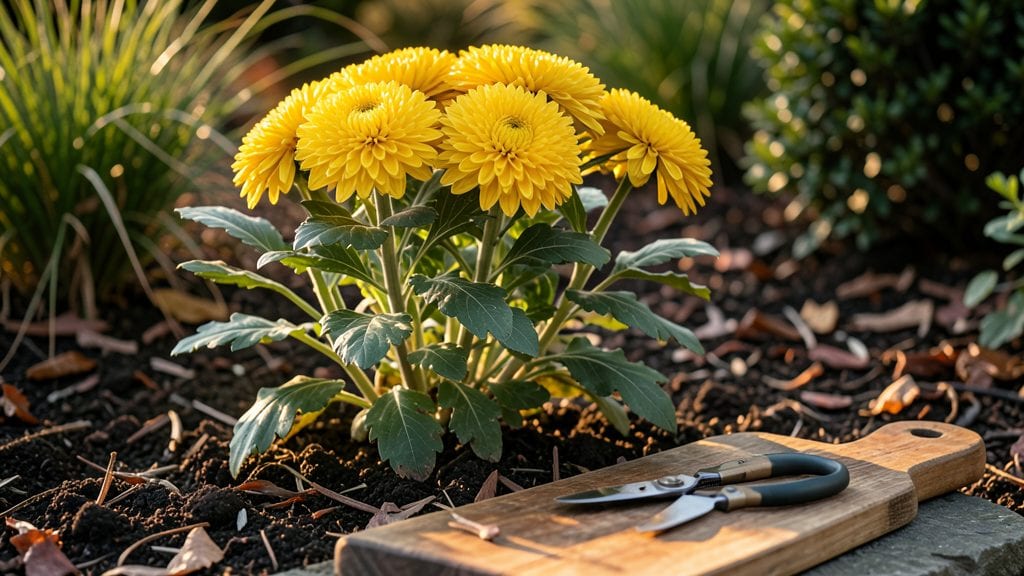
September gardening isn’t about winding down—it’s about planting for a harvest that’ll still be thriving when the snow flies. 🌱 I’ve learned that this month is where the real magic happens: garlic cloves tucked into cold soil, hardy greens popping up before frost, and bulbs setting the stage for next spring’s blooms.
The trick is working with the season, not against it. Cool nights mean faster germination for fall crops, while pests slow down—perfect for getting those last rows in. You’ll need a mix of quick-growing greens, brassicas that love the chill, and bulbs that need time to root before winter.
My garden journal from last year shows spinach and kale planted now gave us fresh greens straight through December.
By the time the first frost hits, you’ll have a garden that’s still productive, with soil enriched from fallen leaves and compost. The air smells like damp earth and woodsmoke, and the beds are ready for winter protection.
This is the month that proves gardening isn’t just a summer hobby—it’s a year-round commitment.
Whether you’re in a frost-prone zone or a milder climate, the principles stay the same: plant what thrives in cool weather, protect what’s tender, and let nature do the rest. Here’s how to make the most of these golden weeks before winter sets in.
📚 In This Guide
- What you need
- Instructions
- Tips and common mistakes
- Wrapping up and next steps
What you need
- ● Seeds: Choose frost-tolerant varieties like kale, spinach, carrots, radishes, lettuce, and garlic (plant bulbs in late September). Aim for 2–3 packets per crop for a bountiful harvest.
- ● Seedlings: Transplant hardy starts like broccoli, cabbage, or Brussels sprouts (1–2 plants per hill). Opt for healthy, disease-free 4–6 inch tall seedlings.
- ● Compost or Organic Fertilizer: Use 2–3 cups per planting hole to enrich soil for nutrient-hungry fall crops.
- ● Mulch: Straw or shredded leaves (2–3 inches thick) to insulate soil and retain moisture.
- ● Row Covers or Frost Cloth: Lightweight fabric to protect tender plants from early frosts (enough to cover raised beds or individual plants).
- ● Hand Trowel: For precise planting and weeding (5–7 inch blade).
- ● Garden Gloves: Durable, breathable pair to protect hands from thorns and soil.
- ● Pruners: Sharp, bypass-pruning shears for trimming dead foliage.
- ● Watering Can or Hose with Adjustable Nozzle: For gentle watering (aim for 1–1.5 inches per week).
- ○ Soil Thermometer (Optional): To monitor temperatures for frost-sensitive plants (ideal range: 40–50°F).
- ● Test Your Soil: A pH test kit ensures your soil is ready for fall planting (ideal range: 6.0–7.0).
- ● Mark Your Calendar: Note your first frost date (check local weather) to time plantings and frost protection.
- ● Clean Up: Remove diseased plants and debris to prevent pests and diseases from overwintering.
Step-by-step guide for September gardening success
September is your chance to extend harvests and prep for winter—here’s how to make the most of it.
🌱 Step 1: Plant Cool-Season Crops for Fall Harvests
Focus on fast-growing crops like lettuce, spinach, and radishes that thrive in cooler weather. Sow seeds directly into the soil after the first frost date has passed—this gives them time to mature before winter sets in. I like to plant these in well-drained beds where summer crops like tomatoes or peppers have already been removed.
Use a light layer of compost to enrich the soil before planting. Cool-season crops need consistent moisture, so water deeply every 2-3 days until the top inch of soil feels dry. Avoid overhead watering to prevent disease—stick to a soaker hose or drip irrigation instead.
☀️ Step 2: Extend Warm-Season Crops with Row Covers
If you still have warm-season plants like peppers, eggplants, or basil producing, protect them with floating row covers to buy extra time. These lightweight fabrics trap heat during the day and insulate at night, delaying frost damage. Secure the edges with soil or bricks to prevent wind from blowing them away.
Remove the covers during the day if temperatures rise above 75°F to avoid overheating. Watch for signs of stress like yellowing leaves or stunted growth—these are your cues to adjust coverage or harvest soon. I’ve kept basil productive until late October this way!
🪴 Step 3: Divide and Transplant Perennials
September is ideal for dividing perennials like hostas, daylilies, and ornamental grasses. Dig up clumps when new growth appears in early fall, then separate the roots into smaller sections with at least 3-5 healthy shoots each. Replant these in prepared beds with fresh compost mixed into the soil.
Water deeply after transplanting to help roots establish before winter. Mulch around the base with 2-3 inches of straw or shredded leaves to insulate roots and retain moisture. This is the perfect time to fill gaps in borders—your garden will thank you next spring!
⏰ Step 4: Prepare Soil and Plant Winter Cover Crops
After harvesting summer crops, till the soil to a depth of 6-8 inches to break up compaction. Add a 2-3 inch layer of compost and mix it in to replenish nutrients. Plant cover crops like winter rye or clover to prevent erosion and improve soil structure over the winter months.
Cover crops also suppress weeds and attract beneficial insects. If you’re not planting them, lay down cardboard or thick mulch to smother weeds and protect the soil. This prep work now means less weeding and healthier soil come spring.
✂️ Step 5: Prune and Clean Up for Winter
Remove dead or diseased foliage from perennials and shrubs to prevent pests from overwintering. Cut back annuals like petunias and marigolds, but leave seed heads on plants like coneflowers to feed birds. Prune fruit trees and berry bushes to shape them for next year’s growth.
Clean up fallen leaves and debris from the garden beds—this reduces hiding spots for pests and diseases. Store gardening tools in a dry place and sharpen blades before putting them away. A little cleanup now makes spring gardening so much easier!
Tips & tricks for perfect September gardening
September's golden light is your secret weapon—here's how to make every gardening minute count this month.
Timing is Everything: Don't wait until the first frost to plant cool-season crops! Check your local frost date and work backward—most fall crops need 45-60 days to mature. I've found that planting lettuce and spinach 3-4 weeks before the first frost gives them just enough time to thrive before winter sets in. Use a garden journal to track your local frost dates and plan accordingly.
Soil Prep Matters: When preparing beds for cool-season crops, focus on drainage first. Amend heavy clay soil with 2-3 inches of compost mixed into the top 6-8 inches—this improves both drainage and nutrient availability. For sandy soils, add a thin layer of compost on top instead of mixing it in. I've seen plants struggle in poorly drained soil even when given perfect care otherwise.
Row Cover Strategy: For warm-season plants still producing, use floating row covers to extend their season. The key is monitoring temperature—remove covers when daytime temps rise above 75°F to prevent overheating. I've kept basil producing until late October using this method, but always watch for signs of stress like yellowing leaves as your early warning system.
Transplanting Perennials: When dividing perennials, look for clumps with 3-5 healthy shoots each—this gives each new plant enough energy to establish before winter. Water deeply immediately after transplanting, then mulch with 2-3 inches of straw to protect roots. I've found that transplanting in the morning gives plants the whole day to recover from the shock.
Pro Tips for Gardening In September
- September's golden light is your secret weapon—here's how to make every gardening minute count this month.
- Timing is Everything: Don't wait until the first frost to plant cool-season crops!
- Soil Prep Matters: When preparing beds for cool-season crops, focus on drainage first.
Frequently asked questions
Got questions about tackling your garden in September?
You’re not alone! Here are some of the most common concerns—and quick answers to get you growing with confidence.
What vegetables can I still plant in September for a fall harvest?
Cool-season crops like kale, spinach, broccoli, radishes, and carrots thrive when planted now. For warmer climates, try green beans or turnips. Check your frost date—aim to plant 6–8 weeks before the first expected frost for a harvest before winter sets in!
Is it too late to start a new garden bed in September?
Not at all! September is a great time to prep new beds—just focus on soil health first. Add compost or aged manure, and choose fast-growing crops for quick rewards. Avoid heavy tilling, which can disrupt soil structure as temps drop.
How do I protect my plants from early frost?
Use row covers, cloches, or even old blankets to shield tender plants. Mulch heavily around the base to insulate roots. For potted plants, move them to a sheltered spot or indoors. A frost cloth (lightweight fabric) is a game-changer for extending the season!
Can I still fertilize my garden in September?
Yes, but go light. Focus on balanced, slow-release fertilizers (like 10-10-10) or organic options like compost tea. Avoid high-nitrogen feeds, which encourage leafy growth over fruit/veggies. Stop fertilizing 4–6 weeks before the first frost to let plants harden off.
What should I do with my garden if I’m not ready to plant yet?
September is perfect for soil prep! Remove spent plants, add compost, and plant cover crops (like clover or winter rye) to protect soil and boost nutrients. If you’re taking a break, mulch beds to suppress weeds and retain moisture for next spring.
Wrapping up and next steps
September is your golden opportunity to extend your garden’s productivity and prepare for cooler months ahead! 🌿 With smart late-season planting, frost protection, and soil care, you can enjoy fresh harvests well into fall—and even winter.
Whether you’re sowing hardy greens, mulching beds, or prepping tools, every step you take now sets the stage for a thriving garden tomorrow.
Ready to keep growing? Start small—pick one task from this guide (like planting garlic or covering tender crops) and build from there. Before you know it, your garden will be a year-round success story! 🌟