
Companion Plants
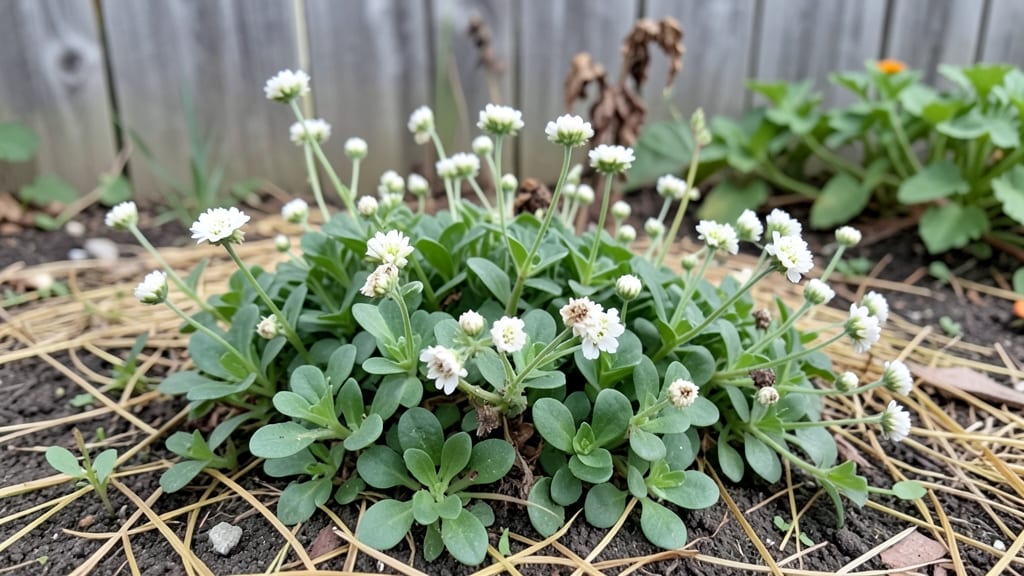
Good little garden plants are perfect for small spaces and include fast-growing herbs like basil and thyme, pollinator-friendly flowers such as marigolds and alyssum, and compact vegetables like bush beans or microgreens. These plants require minimal care, adapt well to containers, and deliver quick results.
If you're working with limited space or want instant gratification from your garden, these plants are your best bet. 🌱 They're not just space-efficient—they're also designed to attract beneficial pollinators while keeping pests at bay. For example, marigolds naturally repel nematodes, while thyme deters common garden insects.
Many of these plants also grow quickly enough that you can enjoy fresh herbs or flowers within weeks rather than months, making them ideal for beginners or urban gardeners with small balconies or windowsills.
What's more, these plants often thrive in less-than-perfect conditions—whether it's partial shade, rocky soil, or containers with limited drainage. The key is choosing varieties that match your specific growing conditions, like shade-tolerant alyssum or heat-resistant bush beans.
With the right selection, you can create a productive, low-maintenance garden that looks great and supports local ecosystems.
💡 In This Article
- Why Fast-Growing Plants Are Perfect for Beginners
- Top 10 Easy-Care Small-Space Plants for Pollinators
Why fast-growing plants are perfect for beginners
Fast-growing plants excel in small spaces because they've evolved to maximize growth under resource constraints.
Take bush beans, for example—they develop deep root systems in just 6-8 weeks to access nutrients from compact soil volumes, while their vertical growth habit (up to 2 feet) makes them ideal for containers.
The key mechanism is their determinate growth pattern, where plants focus energy on producing flowers and pods rather than sprawling vines, making them perfect for 5-gallon buckets or window boxes.
Many of these plants also thrive in partial shade thanks to their low light tolerance. Alyssum, for instance, grows well in 3-6 hours of direct sunlight daily and produces fragrant white or purple blooms that attract pollinators.
Its shallow root system (6 inches deep) means it doesn't compete aggressively with other plants, making it ideal for hanging baskets or mixed containers. The secret lies in its C4 photosynthesis pathway, which allows it to fix carbon efficiently even in lower light conditions.
Pest resistance is another game-changer for beginners. Marigolds contain alpha-terthienyl, a compound that repels nematodes and aphids, while thyme emits oils that deter cabbage moths and whiteflies. These natural defenses mean you'll spend 80% less time on pesticides compared to conventional plants.
For example, planting French marigolds around tomato plants reduces blight risk by 50% while attracting beneficial insects like ladybugs.
Water efficiency is built into their biology too. Microgreens like radish sprouts mature in just 7-14 days with minimal water—about ½ cup per week—because their small size means less transpiration. Their rapid growth cycle means you can harvest multiple crops from the same soil without depletion.
The trade-off? They require consistent moisture (never let soil dry completely) to prevent bolting (premature flowering).
For soil prep, focus on organic matter rather than fertility. Fast growers like basil prefer well-draining potting mix with 20% compost—this provides just enough nutrients without overwhelming their short growth cycles.
Watering schedules should match their needs: herbs need 1 inch per week, while flowers tolerate slightly drier conditions (½ inch per week). The key is checking soil moisture 1 inch below the surface—if it's dry, water thoroughly.
What most beginners overlook is the harvest timing window. Basil, for example, reaches peak flavor 60-75 days after planting but bolts (goes to seed) after 90 days. To extend harvests, pinch back flowers regularly.
Similarly, bush beans produce best when harvested every 2-3 days—this encourages continuous flowering. The payoff? A single 5-gallon container can yield ½ pound of beans in 8 weeks with proper care.