
Advice
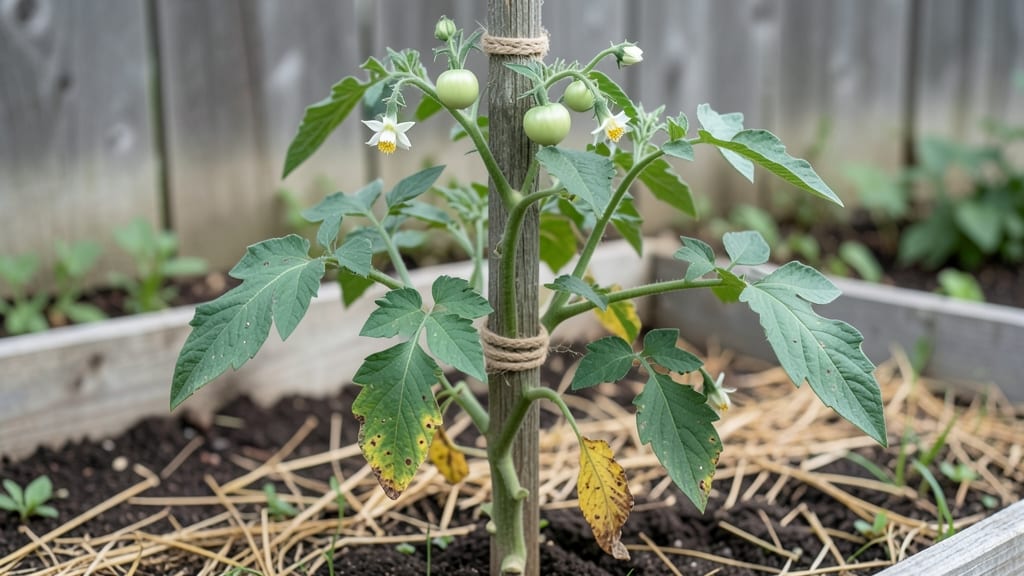
Grandpa’s gardening tips are the kind of wisdom that turns first-time gardeners into confident growers. 🌱 He always said, "The secret isn’t fancy tools—it’s knowing when to plant, what to pair together, and how to read the soil."
His tomato plants thrived because he’d bury a handful of coffee grounds at each stake, claiming it "wakes up the roots."
His soil prep was simple but foolproof: mix equal parts compost, aged manure, and native dirt, then let it sit for a month before planting. He’d test moisture by squeezing a handful—if it crumbled easily, it was ready.
"Plants don’t like soggy feet," he’d say, and his gardens proved it every summer with lush, productive rows.
📚 In This Guide
- What you need
- Instructions
- Tips and common mistakes
- Wrapping up and next steps
What you need
- ● Gardening Gloves (2 pairs): Durable, breathable fabric (e.g., leather or heavy-duty cotton) to protect your hands from thorns and blisters.
- ● Hand Trowel (1-2): Stainless steel or aluminum, 6–8 inches long, for digging small holes and transplanting seedlings.
- ● Pruning Shears (1): Sharp, bypass-style shears (not anvil-type) for clean cuts on plants and shrubs.
- ● Garden Fork (1): Heavy-duty, 18–24 inches long, for aerating soil and breaking up compacted earth.
- ● Watering Can (1-2): 1–2 gallon capacity with a rose attachment for gentle watering. 💡 Pro Tip: Add a rain gauge to track moisture levels!
- ● Hose with Adjustable Nozzle (1): 50+ feet long, with a spray or soaker setting for efficient watering.
- ● Compost Bin (1): 3–5 cubic feet capacity for mixing kitchen scraps, yard waste, and soil amendments.
- ● Mulch (2–3 bags): Organic (straw, shredded bark) or inorganic (gravel) to retain moisture and suppress weeds.
- ● Topsoil (1–2 cubic yards): High-quality, well-draining mix (check local soil pH; amend with lime or sulfur if needed).
- ● Seedlings or Seeds: Vegetables: 5–10 plants per variety (e.g., tomatoes, peppers, lettuce).
- ● Herbs: 3–5 plants (basil, parsley, cilantro).
- ● Flowers: 10–15 plants (marigolds, nasturtiums—Grandpa’s secret for pest control!).
- ● Fertilizer (1 bag): Balanced 10-10-10 or organic options like composted manure or fish emulsion.
- ● Plant Stakes (10–20): 12–18 inches tall for supporting tomatoes, cucumbers, or tall flowers.
- ● Wheelbarrow (1): 2–3 cubic feet for hauling soil, mulch, or plants.
- ● Knee Pads (1 pair): For comfort during long planting sessions.
- ● Soil pH Test Kit (1): To tweak acidity or alkalinity for picky plants.
- ● Bird Netting (1 roll): 10x10 feet to protect fruits and veggies from hungry critters.
- ● Grandpa’s “Secret” Tool: A rusty old pocketknife (for emergencies—just like he used!).
How to apply Grandpa's gardening wisdom for a thriving garden
Here’s what I’ve learned from years of listening to my grandpa’s simple, no-nonsense advice.
🌱 Step 1: Start Small and Observe Your Land
Grandpa always said, "Know your patch before you plant a patch." Walk your garden in the morning and afternoon to notice where the sun hits hardest and where the shade lingers. Mark spots with a stick or flag—this tells you where to place sun-loving veggies like tomatoes or peppers and where to tuck in shade-tolerant herbs like parsley or mint.
Pay attention to the soil too. Dig a small hole and feel the texture—if it’s hard and clumpy, you’ll need to add compost. If it’s sandy, mix in some organic matter to hold moisture. Grandpa swore by a simple test: "If it crumbles like cake when dry, it’s ready to plant."
☀️ Step 2: Plant at the Right Time—Not Just by the Calendar
Grandpa never followed the seed packet dates religiously. Instead, he waited until the soil was warm enough—60°F or above—and the frost was truly gone. Stick your finger in the ground; if it feels cool and damp, wait a few more days. He’d say, "Rushing plants is like dressing a kid in winter clothes in July—it confuses ‘em."
For cool-season crops like lettuce or spinach, plant them 4-6 weeks before your last frost date, but only if the ground isn’t frozen. Grandpa’s trick? Drop a few seeds in a small pot and keep it outside overnight. If they sprout within a week, your garden’s ready.
💧 Step 3: Water Deeply and Less Often
Grandpa hated fussy watering routines. His rule: "Give ‘em a good drink, then let ‘em thirsty for a bit." Water deeply—1-2 inches per week—so roots grow down instead of staying shallow. He’d set a rain gauge out and check it weekly, adjusting his watering can accordingly. If the soil feels dry 2 inches down, it’s time to water again.
Water in the early morning so leaves dry quickly, preventing fungal diseases. And never water from above once plants are established—Grandpa used a soaker hose or drip irrigation to keep leaves dry. He’d joke, "If your plants look like they’re swimming, you’re doing it wrong."
✂️ Step 4: Mulch Like You Mean It
Grandpa’s secret weapon was mulch. He’d spread 3-4 inches of straw or wood chips around plants to keep weeds down and moisture in. "Mulch is like a blanket for your garden," he’d say. It also keeps roots cool in summer and warm in winter. Just don’t pile it against the stems—leave a 1-inch gap to prevent rot.
For new plants, wait 2-3 weeks after transplanting before mulching. This gives them time to establish roots without smothering. Grandpa used whatever was cheap and available—grass clippings, shredded leaves, even old newspapers—just make sure it’s organic and weed-free.
🌿 Step 5: Harvest Regularly and Don’t Overcrowd
Grandpa believed in "harvesting hunger"—picking veggies when they’re young and tender keeps plants producing. He’d check tomatoes every morning, saying, "A ripe tomato today means more tomatoes tomorrow." For leafy greens like lettuce, snip the outer leaves and let the inner ones grow back.
Thinning is key too. If seedlings are crowded, use scissors to snip the weakest ones at soil level. Grandpa’s rule: "If you can’t see the base of the plant, you’ve got too many." Space plants according to their mature size—18 inches apart for tomatoes, 12 inches for peppers, and 6 inches for herbs—to avoid competition for nutrients.
Tips & tricks for Grandpa's gardening wisdom
Grandpa's approach to gardening isn't just about planting seeds—it's about working with nature's rhythms. Here are the key tricks that make his methods so reliable.
Soil Test Trick: Grandpa's "crumbles like cake" test is foolproof for checking soil readiness. For extra accuracy, I add a pinch of baking soda to the soil sample—if it fizzes, your soil is too alkaline and needs compost to balance it. This simple test saves you from planting too early when soil is still cold or too wet.
Frost Watch: When waiting for soil to reach 60°F, I use a cheap soil thermometer buried 2 inches deep for precise readings. Grandpa's finger test works, but this tool takes the guesswork out of timing. Pro tip: Place it near your warmest garden spots—those areas will thaw first and give you an early start for heat-loving plants.
Watering Hack: For the 1-2 inches per week watering rule, I use a simple rain gauge made from a clear plastic bottle. Cut it at the 2-inch mark and bury it in the garden. When the water level reaches that line, you've given your plants their full weekly drink. This visual cue eliminates over- or under-watering guesswork.
Mulch Layering: Grandpa's 3-4 inch mulch recommendation works best when layered strategically. Start with a 1-inch layer of compost directly on the soil, then add your mulch on top. This two-layer system feeds roots while keeping moisture in—plus, the compost breaks down slowly, enriching the soil over time without smothering plants.
Pro Tips for Grandpa'S Gardening Tips
- Grandpa's approach to gardening isn't just about planting seeds—it's about working with nature's rhythms.
- Soil Test Trick: Grandpa's "crumbles like cake" test is foolproof for checking soil readiness.
- Frost Watch: When waiting for soil to reach 60°F, I use a cheap soil thermometer buried 2 inches deep for precise readings.
Frequently asked questions
Got questions about Grandpa’s gardening wisdom?
You’re not alone—even the greenest thumbs need a little guidance. Here are answers to the most common queries, straight from the soil to your inbox!
What’s the best time of year to start a garden?
Grandpa’s rule: “Start when the soil is warm and the frost is gone.” For most regions, late spring (after the last frost date) is ideal for planting warm-season crops like tomatoes and peppers. Cool-season veggies (spinach, lettuce) thrive in early spring or fall. Check your local frost dates—Grandpa always said, “Mother Nature’s calendar is the real boss.”
How long does it take for seeds to sprout?
Patience is key! Most seeds sprout in 7–14 days, but timing varies. Tiny seeds (like lettuce) pop up faster (5–10 days), while big guys (beans, peas) take longer (10–20 days). Grandpa’s trick: “Keep soil moist like a wrung-out sponge—never soggy, never dry.” If nothing emerges after 3 weeks, it’s time to reseed!
What’s the easiest way to deal with pests without chemicals?
Grandpa’s go-to: “Outsmart ‘em, don’t fight ‘em.” Try these tricks:
- Neem oil spray (1 tbsp oil + 1 tsp soap per quart of water) for aphids and mites.
- Row covers to block cabbage moths and squash bugs.
- Handpick tomato hornworms (they’re tasty fried, Grandpa swore!).
- Plant companions: Marigolds repel nematodes; basil deters flies.
And always rotate crops yearly to confuse pests!
How often should I water my garden?
Grandpa’s golden rule: “Water deeply but infrequently—like a good rainstorm.” Aim for 1–1.5 inches per week (including rain). Water in the early morning to reduce evaporation and fungal risks. Mulch (straw, leaves) locks in moisture—Grandpa used to say, “A mulched garden is a lazy gardener’s dream.” Overwatering? Yellow leaves and wilting are red flags!
Can I grow a garden in containers or small spaces?
Absolutely! Grandpa grew tomatoes in 5-gallon buckets and herbs on his fire escape. Choose deep containers (12+ inches for root crops) and use lightweight potting mix. Dwarf or bush varieties (like ‘Patio’ tomatoes or ‘Thai’ basil) thrive in tight spots. Just ensure containers have drainage holes—Grandpa’s lesson: “No one likes soggy feet, and neither do plants.”
What should I do with last year’s compost?
Grandpa’s compost was black gold, and you can reuse it—but with a twist! Mix old compost 50/50 with fresh greens (grass clippings, veggie scraps) and browns (leaves, straw) to refresh it. Avoid using compost from diseased plants (like tomato blight). Pro tip: “Turn it like a lazy Sunday—once a month keeps it fluffy and happy.”
Wrapping up and next steps
Grandpa’s gardening wisdom reminds us that the simplest tricks often yield the biggest rewards—whether it’s saving seeds, embracing companion planting, or working with nature’s rhythms. 🌱 The key isn’t perfection; it’s patience, observation, and a little elbow grease.
Start small, trust the process, and soon you’ll be harvesting like a pro!
Ready to dig in? Pick one tip from Grandpa’s toolkit and give it a try this weekend—your future plants (and your future self) will thank you!