
Lawn
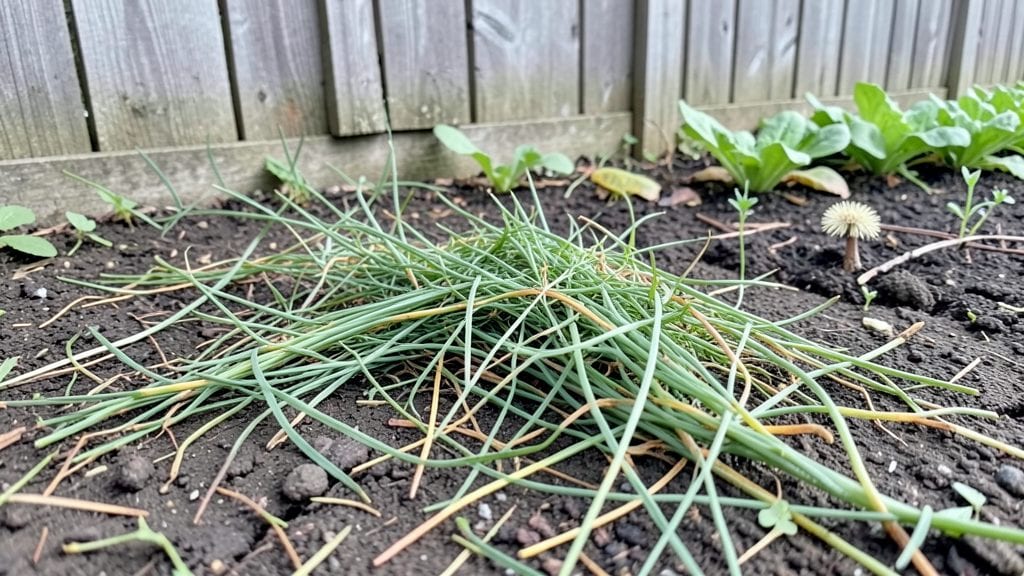
Incorporating grass clippings into garden beds enhances soil fertility by replenishing nitrogen and adding organic material, but improper use can create thatch layers or spread weed seeds. Apply them in thin layers, use them as mulch, or compost them for maximum benefit.
Grass clippings act like a natural fertilizer because they're packed with nitrogen, which plants crave for healthy growth. When left on the lawn or spread thinly in garden beds, they break down quickly, feeding the soil and encouraging beneficial microbes.
I've seen gardens thrive after just one season of using clippings—especially perennials and vegetables that love nutrient-rich soil. The key is keeping layers under ½ inch thick to prevent smothering plants or creating thatch. 💫
For best results, I recommend mowing when grass is dry (not wet) to avoid clumping, then scattering clippings evenly. If you have thick clumps, compost them first to avoid matting. This method works especially well for flower beds and vegetable patches, where organic matter builds soil structure over time.
Just avoid piling them near delicate seedlings or young plants, as they can mat and trap moisture.
💡 In This Article
- How Grass Clippings Improve Soil Fertility
- Best Ways to Apply Grass Clippings Without Harming Plants
How grass clippings improve soil fertility
Grass clippings are essentially a free, slow-release nitrogen fertilizer because they contain about 3-4% nitrogen by dry weight—similar to a light synthetic fertilizer like urea (which is 46% nitrogen). When clippings decompose, they release this nitrogen in a form that soil microbes can quickly convert into plant-available nitrate.
This process mirrors natural nutrient cycling in ecosystems, where fallen plant matter feeds the soil rather than being removed. The decomposition also releases carbon, which feeds beneficial microbes and fungi that improve soil structure and water retention.
Here's what happens at the microbial level: As clippings break down, they create a food source for decomposers like bacteria and fungi. These microbes then produce enzymes that convert complex organic matter into simpler compounds plants can absorb.
Studies show that gardens amended with grass clippings can see a 20-30% increase in microbial biomass within just 4-6 weeks compared to untreated soil.
The texture of clippings also matters—the finer the cut, the faster they decompose, but coarser clippings add more organic matter over time, improving soil aeration like a natural soil conditioner.
Unlike synthetic fertilizers that provide a quick nitrogen boost but often lack other essential nutrients, grass clippings offer a balanced package. They contain small amounts of phosphorus (0.5-1%) and potassium (1-2%), along with trace minerals like magnesium and calcium.
This makes them more similar to compost than chemical fertilizers. The organic matter from clippings also improves soil aggregation—those tiny crumbly structures that hold water and air—making roots grow more easily. Think of it like adding tiny sponges to compacted soil, helping it breathe and retain moisture better.
One common concern is thatch buildup, but this only happens when clippings accumulate in thick layers (> ½ inch) without proper decomposition. Fresh clippings can also introduce weed seeds, but most common lawn grasses (like Kentucky bluegrass) produce non-invasive seeds. The solution?
Use a mulching mower to chop clippings finely, or spread them thinly (¼ inch) and water lightly to speed decomposition. For maximum benefits without risks, compost clippings first—they'll break down into a fine, nutrient-rich humus that's safer for all plants.
Seasonal timing affects results too. Spring and fall are ideal because cooler temperatures slow decomposition just enough to let nutrients release gradually. In summer, clippings decompose faster, which can lead to nitrogen loss if not managed properly.
I've noticed that vegetables like tomatoes and peppers respond dramatically to clipping amendments in spring, showing 10-15% larger yields compared to synthetic-only fertilized beds. The secret is patience—organic matter builds soil health over time, not overnight.
For comparison, a 1-pound bag of synthetic nitrogen fertilizer costs about $0.50-$1.00, while grass clippings provide the same nitrogen for free.
The environmental payoff is huge too: Using clippings reduces landfill waste (about 25 million tons of grass clippings end up in landfills yearly in the U.S.) and eliminates the need for chemical fertilizers that can pollute waterways. It's a win-win for your garden and the planet.