
Lawn
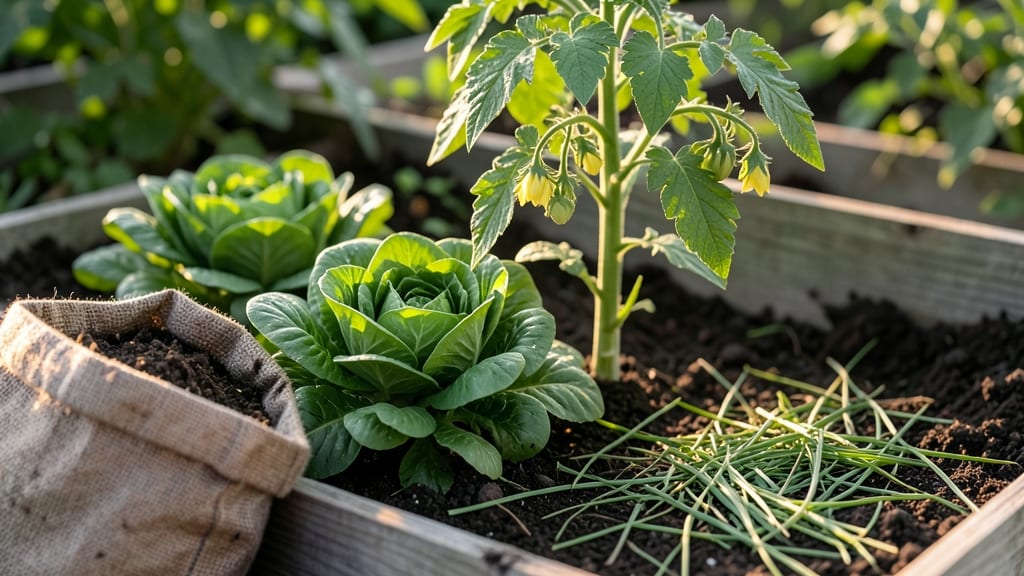
Using grass clippings in your vegetable garden enriches soil with nitrogen and organic matter, but must be applied properly to avoid matting or disease risks. Let dry slightly, chop finely, and spread thinly over beds before tilling or composting.
Grass clippings act as a natural fertilizer by breaking down into nitrogen-rich humus, which feeds soil microbes and plants alike. 🌱 The key is proper preparation—drying them first prevents mold and compaction, while chopping creates more surface area for faster decomposition.
Many gardeners swear by this method because it reduces waste while improving soil structure over time, though it works best when mixed with other compost materials for balanced nutrition.
For best results, apply a ¼-inch layer no thicker than that to avoid smothering plants or attracting pests. Spring is ideal because the warm soil speeds up decomposition, but fall applications also work if you cover them with mulch.
Just avoid using clippings treated with herbicides, as these chemicals can harm your vegetables.
💡 In This Article
- How Grass Clippings Improve Garden Soil Chemistry
- Safety Tips for Applying Grass Clippings to Vegetable Beds
How grass clippings improve garden soil chemistry
Grass clippings act as a natural nitrogen bomb when properly decomposed, thanks to their high protein content (around 10-15% of their dry weight). When grass blades are cut, they release enzymes that accelerate microbial activity in the soil.
These microbes break down the clippings through a process called ammonification, converting organic nitrogen into ammonium (NH₄⁺), which plants can readily absorb. This happens fastest in warm, moist conditions where soil temperatures exceed 60°F, making spring and early summer the ideal times for application.
The decomposition process also releases potassium (K) and trace minerals like magnesium and calcium, though in smaller amounts than nitrogen. Fresh clippings contain about 0.5-1.5% potassium by dry weight, which helps improve plant cell structure and disease resistance.
However, the real magic happens when clippings are slightly dried first—the moisture content drops from 80-85% to 50-60%, preventing matting while maintaining nutrient availability. This drying step also reduces the risk of fungal growth, which can occur when clumps of fresh grass smother soil.
Unlike synthetic fertilizers that provide a quick nitrogen spike followed by depletion, grass clippings release nutrients slowly over 2-4 weeks as they decompose. This gradual release creates a more stable soil environment, encouraging beneficial microbial communities that improve soil aeration and water retention.
The organic matter also enhances soil structure by binding clay particles and creating aggregates, which increases porosity—similar to how a well-made compost improves tilth. Studies show that gardens amended with grass clippings can see a 20-30% increase in organic matter within a single growing season.
Here's what happens chemically when you add clippings: the initial decomposition raises soil pH slightly (from 6.0-7.0 to 6.5-7.5), but this effect is temporary and beneficial for most vegetables.
The real advantage comes from the humus formation—partially decomposed organic matter that improves cation exchange capacity (CEC), allowing nutrients to stay available longer. This is why clippings work better when mixed with carbon-rich materials like straw or leaves, creating a balanced 20:1 carbon-to-nitrogen ratio that microbes love.
For comparison, synthetic nitrogen fertilizers like urea provide an immediate but short-lived boost, while grass clippings deliver a sustained feed. The micronutrient profile also differs—clippings contribute phosphorus (P) at about 0.3-0.8% and zinc, manganese, and iron in trace amounts, which synthetic fertilizers often lack.
This makes them particularly valuable for heavy feeders like tomatoes and peppers, which deplete soil nutrients quickly. The key is to think of clippings as a slow-release fertilizer with added structural benefits, not just a nitrogen source.
What most gardeners don't realize is that the texture of clippings matters just as much as their nutrient content. Finely chopped clippings decompose 30-50% faster than whole clumps because they offer more surface area for microbial attack.
You can achieve this by running them through a mulching mower or using a string trimmer with a bagging attachment. This finer texture also prevents the clippings from forming a thatch layer that blocks water and air from reaching plant roots.