
Size
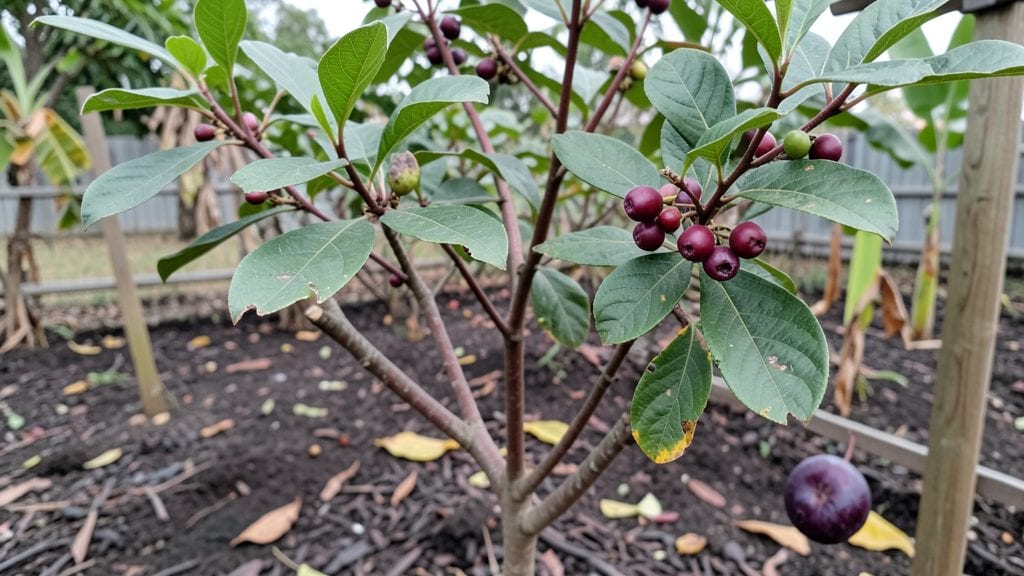
Grow a garden of rare fruits from tiny seeds and transform your backyard into a lush tropical escape—here’s how I did it with dragon fruit, passionfruit, and even durian. 🌿 The thrill of harvesting something most people only see in stores makes every challenge worth it.
You’ll need the right soil mix, a warm spot with plenty of sunlight, and patience—these fruits don’t rush. Most thrive in USDA zones 9-11, but containers let you grow them almost anywhere with a little extra care.
Start with seeds from trusted sources, as germination can be tricky with some varieties.
The payoff is worth it: sweet, fragrant fruit that’s unlike anything you’ll find in grocery stores. Dragon fruit’s vibrant magenta flesh or passionfruit’s tangy bursts make every bite feel like a victory. Plus, these plants add drama to your garden with their unique foliage and growth habits.
Ready to take the plunge? We’ll cover everything from soil prep to pest control, so you can grow these exotic treats like a pro—even if your space is small. Let’s get those seeds sprouting!
📚 In This Guide
- What you need
- Instructions
- Tips and common mistakes
- Wrapping up and next steps
What you need
- ● Seeds or saplings: Rare fruit varieties (e.g., miracle fruit, cherimoya, passion fruit, or lychee). Start with 3–5 seeds per variety for better success rates.
- ● Containers: Small pots (4–6 inches) for seedlings—3–5 per seedling.
- ● Larger pots (12+ inches) or raised beds for mature plants—1 per plant.
- ● High-quality potting mix: Well-draining, organic blend (e.g., cactus/succulent mix for tropical fruits). 5–10 gallons per container.
- ● Fertilizer: Balanced organic fertilizer (e.g., 10-10-10 NPK) for seedlings.
- ● Citrus/acid-loving plant fertilizer (e.g., 8-3-9) for mature tropical fruits.
- ● Watering can or hose: With a gentle spray nozzle for seedlings.
- ● Pruning shears: Sharp, sterilized shears for trimming.
- ● Support structures: Trellises or stakes for vining fruits (e.g., passion fruit).
- ● Grow lights: LED full-spectrum bulbs for indoor seedlings (12–16 hours/day).
- ● Soil moisture meter: To avoid over/under-watering.
- ● Mulch: Straw or wood chips to retain moisture and regulate temperature.
- ● Pollination tools: A soft paintbrush to hand-pollinate flowers if bees are scarce.
- ● Harvesting tools: Pruners or a sharp knife for fruit picking.
Step-by-step instructions for cultivating rare fruits from seed
Here’s how to transform tiny seeds into thriving exotic fruit plants with minimal fuss.
🌱 Step 1: Soak and Stratify Seeds for Best Germination
Most rare fruit seeds need a little prep to break dormancy. Place seeds in a bowl and cover with lukewarm water for 24-48 hours. This softens the outer shell and speeds up sprouting. After soaking, drain the water and pat the seeds dry with a paper towel.
For seeds that require stratification (like sapodilla or cherimoya), place them in a sealed plastic bag with a damp paper towel. Refrigerate for 30-60 days—this mimics winter conditions and tricks seeds into thinking spring has arrived. Check weekly to ensure the towel stays moist but not soggy.
🪴 Step 2: Plant Seeds in Sterile Growing Mix
Fill small pots (4-6 inches deep) with a sterile seed-starting mix—never garden soil, as it can harbor fungi that kill delicate seedlings. Press the mix lightly into the pot so it’s firm but not compacted. Plant seeds ½ inch deep or twice their diameter, whichever is shallower.
Label each pot with the fruit variety and date—seeds like mango and lychee can take 2-3 months to sprout, and patience is key. Cover the pots loosely with plastic wrap to retain humidity, but prop the wrap open slightly to prevent mold. Keep the soil consistently moist, never soggy.
☀️ Step 3: Provide Warmth and Bright, Indirect Light
Place pots in a warm spot (around 75-85°F) with bright, indirect light. A south-facing window works, but avoid direct midday sun, which can scorch tender seedlings. If using a grow light, position it 3-4 inches above the plants and keep it on for 12-14 hours daily.
Watch for first true leaves (not the initial seed leaves)—this signals strong growth. If seedlings stretch toward the light or look pale, they need more intensity. Rotate pots weekly so they grow straight, not lopsided. Overwatering now is the biggest mistake; let the top inch of soil dry slightly between waterings.
🌿 Step 4: Transplant to Larger Pots When Ready
Once seedlings have 3-4 sets of true leaves (usually after 8-12 weeks), it’s time to upgrade. Choose pots 6-8 inches wide with drainage holes and fill them with a well-draining potting mix. Gently remove the seedling from its starter pot, tease apart tangled roots if needed, and plant it at the same depth it was growing before.
Water thoroughly after transplanting to settle the soil. Rare fruit seedlings are sensitive to root disturbance, so handle them carefully. Place the new pots in a spot with morning sun and afternoon shade for the first week to help them adjust. Gradually increase sunlight over 10 days to avoid leaf scorch.
⏰ Step 5: Maintain Consistent Care for Long-Term Growth
Fertilize young plants every 4-6 weeks with a balanced, water-soluble fertilizer (diluted to half strength). Rare fruits like passionfruit and dragon fruit need regular feeding to support their rapid growth. Water deeply when the top 2 inches of soil feel dry, but avoid letting pots sit in saucers of water.
As plants mature, prune leggy growth to encourage bushier shapes. Most rare fruits thrive in warm climates but can be grown in containers and brought indoors during winter. With patience, your tiny seeds will reward you with exotic harvests—just give them time to grow!
Tips & tricks for growing rare fruits from seed
Here's what I've learned from years of growing exotic fruit plants—these tricks make all the difference between success and frustration.
Seed Selection Matters: Not all seeds are created equal! Look for seeds from organic, heirloom varieties when possible—they're more likely to germinate true to type. If you're starting with store-bought fruit, choose firm, ripe specimens with plump seeds, as they're more likely to be viable. Remember, tropical fruits like mango and lychee often have lower germination rates, so be patient.
Stratification Hack: For seeds requiring 30-60 days of stratification, I place a small dish of water in the fridge with my seed bags. The extra humidity helps maintain consistent moisture without me having to check them weekly. Pro tip: Use a ziplock bag with a tiny hole for ventilation—this creates a mini greenhouse effect that speeds up the process slightly.
Lighting Secrets: If your seedlings start stretching toward the light (called etiolation), they're not getting enough intensity. Move them closer to your light source or add a reflective surface (like aluminum foil) behind the pots to bounce light back. For 12-14 hours of daily light, set a timer on your grow light—consistency is key! I've found that LED grow lights are more energy-efficient than fluorescent ones for this stage.
Transplanting Wisdom: When moving to 6-8 inch pots after 8-12 weeks, I always water the starter pots thoroughly the day before transplanting. This helps loosen the soil and makes it easier to remove delicate roots without damage. Handle seedlings by their leaves, never the stems, to avoid crushing them. After transplanting, I give them a light misting with water to help them recover from the shock.
Pro Tips for Grow A Garden Rare Fruits
- Here's what I've learned from years of growing exotic fruit plants—these tricks make all the difference between success and frustration.
- Seed Selection Matters: Not all seeds are created equal!
- Stratification Hack: For seeds requiring 30-60 days of stratification, I place a small dish of water in the fridge with my seed bags.
Frequently asked questions
Got questions about growing rare fruits? You’re not alone—exotic harvests come with unique challenges! Here are answers to the most common queries to help you cultivate confidence and success in your rare fruit garden.
What are the easiest rare fruits to grow for beginners?
Start with hardy, fast-growing varieties like figs, passionfruit, or pomegranates. These tolerate minor mistakes and reward you with fruit in just 1–2 years. Avoid finicky tropicals (e.g., durian) until you’ve mastered basics like soil prep and sunlight.
How long does it take for rare fruit trees to bear fruit?
Timelines vary wildly! Dwarf varieties (e.g., citrange) may fruit in 1–2 years, while tropical giants (like mangosteen) can take 5–10 years. Patience pays off—track growth with a journal and adjust care as needed.
Can I grow rare fruits in containers or small spaces?
Opt for dwarf or bush varieties (e.g., dwarf banana, mini citrus) and use large pots (15+ gallons) with drainage. Move containers indoors during frost or to a sunny patio. Just ensure they get 6+ hours of sunlight daily.
What pests or diseases should I watch for with rare fruits?
Common threats include aphids, fruit flies, and fungal blights. Prevent issues with neem oil sprays, proper spacing (to improve airflow), and mulching. Research your specific fruit’s vulnerabilities—e.g., lychee hates humidity, while guava resists pests well.
What if my rare fruit tree isn’t flowering or fruiting?
Check these fixes:
- Sunlight: Move to a sunnier spot or supplement with grow lights.
- Pollination: Hand-pollinate with a paintbrush if bees are scarce (common with passionfruit).
- Fertilizer: Use a balanced citrus/edible plant fertilizer (e.g., 6-6-6) during growing season.
- Patience: Some trees (like starfruit) need 3+ years to mature.
Pro Tip:
Join a rare fruit gardening forum (like Rare Fruit Council) for variety-specific advice. Share photos of issues—experts often spot problems faster than you!
Wrapping up and next steps
Growing rare fruits from tiny seeds is a rewarding journey that turns your backyard into a treasure trove of exotic flavors! 🌱 With the right knowledge, patience, and a little creativity, you can cultivate unique varieties like miracle fruit, dragon fruit, or passionfruit—even in small spaces.
Start small, experiment fearlessly, and soon you’ll be harvesting fruits that taste like a taste of the tropics.
Ready to take the next step? Pick one rare fruit to start—research its needs, gather your supplies, and plant that first seed today. Your garden (and taste buds) will thank you! 🌟