
Advice
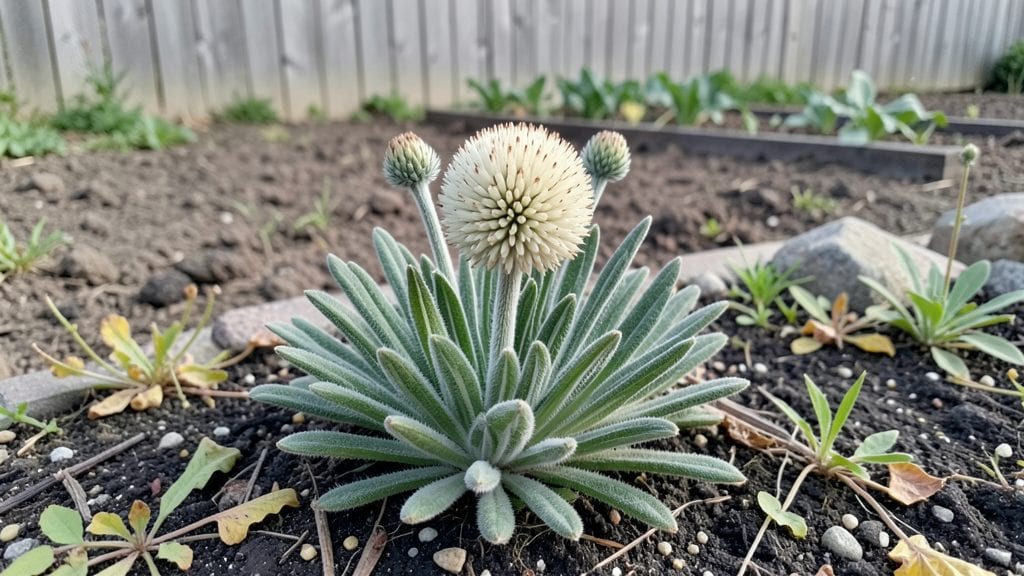
Gardening at 5,000 feet isn't just possible—it's where plants grow tougher than you'd expect. 🌿 I spent years killing high-altitude gardens until I realized the real secret wasn't fighting the elevation, but working with it.
The air's thinner, days are longer, and water evaporates faster than at sea level, but those same conditions create plants with incredible flavor and resilience.
Start with soil that holds moisture like a sponge—amend with compost and organic matter to compensate for the dry air. Choose cold-hardy varieties like potatoes, carrots, and hardy perennials that thrive in cooler temperatures, and water deeply in the morning to reduce evaporation.
My first successful high-altitude garden used drip irrigation on a timer, which saved me from daily chores and wilting plants.
You'll end up with harvests that taste sweeter and last longer because the slower growth concentrates flavors. The key is patience—plants mature more slowly at high elevations, but the payoff is worth it.
By mid-summer, you'll have a garden that outperforms anything you've grown at lower elevations, and you'll finally understand why high-altitude gardens have such devoted fans.
This approach works for mountain homes, suburban yards at 4,000 feet, and even urban gardens on hillsides. The same principles apply whether you're growing vegetables, flowers, or herbs—just adjust your expectations and embrace the slower pace. Here's how to make it work for your space and climate.
📚 In This Guide
- What you need
- Instructions
- Tips and common mistakes
- Wrapping up and next steps
What you need
- ● Soil: High-altitude-specific mix (60% organic compost, 30% peat moss or coconut coir, 10% perlite/vermiculite for aeration). Quantity: 1–2 cubic yards per 100 sq ft.
- ● Containers: Black or dark-colored pots (retain heat) with drainage holes. Size: 5–7 gallons for vegetables, 3–5 gallons for herbs.
- ● Cold-hardy seeds: Choose varieties like potatoes, kale, carrots, and hardy perennials (e.g., alpine strawberries, huckleberries). Quantity: 2–3x recommended packet amounts (thin seedlings!).
- ● Mulch: Straw or wood chips (3–4 inches thick) to insulate roots and retain moisture.
- ● Drip irrigation or soaker hoses: Low-pressure systems (altitude reduces water pressure). Tip: Add a pressure regulator if using municipal water.
- ● Hand trowel & transplanting knife: Stainless steel (rust-resistant in high humidity/salt air).
- ● Pruners: Bypass pruners (sharp for clean cuts).
- ● pH test kit: Digital or liquid test strips (altitude soil is often alkaline; aim for 6.0–7.0).
- ● Row covers or frost blankets: Lightweight fabric (30–50% shade cloth for summer UV protection).
- ● Thermometer: Soil and air (critical for tracking microclimates).
- ● Greenhouse or cold frame: Extend the growing season by 4–6 weeks.
- ● Oxygenating soil additives: Mycorrhizal fungi or humic acid to boost root health.
- ● LED grow lights: Full-spectrum, 10,000–20,000 lux for indoor starts or winter supplementation.
- ● Windbreaks: Bamboo screens or shrubs to protect from drying winds.
Instructions for thriving high-altitude gardens at 5,000+ feet
Here’s how to outsmart altitude’s challenges and grow a lush, productive garden.
🌱 Step 1: Adjust Your Plant Selection for Shorter Growing Seasons
High-altitude gardens face 10-20 fewer frost-free days than lower elevations, so choose cold-hardy varieties with shorter maturity dates. I focus on fast-maturing vegetables like bush beans (50-60 days), radishes (25-30 days), and leaf lettuce (30-45 days) that can bolt before summer’s brief warmth fades. Avoid heat-loving crops like sweet corn or okra unless you’re in a microclimate with extended warmth.
Check seed packets for days-to-maturity and subtract 10-15 days as a buffer—altitude slows growth even in ideal conditions. For example, a tomato labeled 70 days might take 85 days at 6,000 feet. Start with heat-tolerant, cold-resistant hybrids like ‘Mountain Merit’ tomatoes or ‘Tyee’ peas, bred specifically for high-altitude stress.
☀️ Step 2: Extend the Season with Strategic Planting and Row Covers
Use black plastic mulch to warm soil 5-10°F faster in spring, giving plants a head start. Lay it down 2-3 weeks before your last frost date and remove it after harvest to prevent overheating. For early spring or late fall plantings, floating row covers (like Reemay) add 3-5°F of protection while allowing sunlight and water through.
I plant cool-season crops like spinach and peas under row covers in early April, then remove them once plants emerge to avoid overheating. For heat-loving crops, use low tunnels (hoop houses with row covers) to create a mini greenhouse effect, extending the season by 4-6 weeks on either end. Time your tunnel setup for late May to capture summer warmth without cooking the soil.
💧 Step 3: Water Deeply and Frequently to Combat Thin Air
At high altitudes, air pressure drops 1 inch of mercury for every 1,000 feet, meaning plants lose moisture 30-50% faster through transpiration. Water deeply 2-3 times per week (instead of daily light watering) to encourage deep root systems. Use a moisture meter to check 2-3 inches down—soil should feel like a wrung-out sponge, not damp on the surface.
Drip irrigation or soaker hoses deliver water directly to roots, reducing evaporation. I water early morning (5-8 AM) to minimize loss from afternoon winds and UV intensity. Avoid overhead sprinklers, which waste 50%+ of water to evaporation in thin air. For container gardens, use self-watering pots or coco coir liners to retain moisture without soggy roots.
✂️ Step 4: Fertilize for Nutrient Uptake in Low-Oxygen Soil
Thin air reduces oxygen availability, slowing root growth and nutrient uptake. Use a balanced, slow-release fertilizer (like 10-10-10) at half the recommended rate every 4-6 weeks instead of one heavy dose. High-altitude soils often lack phosphorus and micronutrients, so I add bone meal (3-4-0) at planting for roots and kelp meal (0-0-2) mid-season for stress resilience.
Avoid nitrogen-heavy fertilizers like blood meal, which can burn roots in dry, oxygen-poor conditions. Instead, side-dress with compost tea every 3-4 weeks for a gentle nutrient boost. Test soil pH—most high-altitude gardens skew alkaline (7.5-8.5), so amend with elemental sulfur to bring it down to 6.0-6.8 for optimal uptake.
🌿 Step 5: Protect Plants from Harsh Sun and Wind
Ultraviolet radiation increases 5-10% per 1,000 feet, so shield delicate plants with shade cloth (30-50%) during peak sun (11 AM–3 PM). I use lattice trellises for vining crops like cucumbers to lift them above wind scour and reduce sun exposure on leaves. For wind-prone areas, plant in windbreaks (like Russian olive or willow) or use burlap wind screens on the northwest side of beds.
Mulch heavily (3-4 inches) with straw or wood chips to insulate roots and retain moisture. Avoid dark mulches like black plastic, which can overheat soil in intense altitude sun. Instead, opt for light-colored gravel or straw, which reflects heat while suppressing weeds. Monitor plants daily for sun scorch (silver or gray patches on leaves)—if you see it, move containers to partial shade immediately.
Tips & tricks for thriving high-altitude gardens
These science-backed strategies will help you transform altitude challenges into growth advantages for your mountain garden.
Plant Selection Precision: When adjusting maturity dates in Step 1, focus on cool-season crops that thrive in shorter growing windows. For example, 'Mountain Merit' tomatoes (85 days) outperform standard varieties at 6,000 feet. I recommend planting successive crops every 2 weeks starting in May to maximize your brief growing season. Track your last frost date precisely—many high-altitude zones have 10-15 fewer frost-free days than their lower-elevation counterparts, so plan accordingly.
Season Extension Hacks: For Step 2's row covers, I've found that clear plastic tunnels (instead of Reemay) trap more heat when temperatures dip below 40°F at night. Install them 2-3 weeks before your last frost date, but remove them during the day if temperatures exceed 75°F to prevent overheating. The 5-10°F soil warming from black plastic mulch is particularly valuable for cold-sensitive crops like peppers and eggplants.
Watering Science: The 2-3 times per week watering schedule in Step 3 requires careful monitoring. Use a moisture meter to verify soil moisture at 2-3 inches deep—surface moisture is misleading in high-altitude conditions. I've noticed that drip irrigation systems with 0.5 gallon-per-hour emitters work best, delivering water directly to roots where evaporation rates are 30-50% higher than at sea level. Early morning watering (5-8 AM) is critical to prevent UV-induced evaporation during peak sun hours.
Fertilizer Strategy: In Step 4, the half-rate application of 10-10-10 fertilizer every 4-6 weeks prevents nutrient burn in oxygen-poor soils. I've had success with liquid fish emulsion (5-1-1) applied every 3 weeks instead of compost tea, as it provides immediate nitrogen without overwhelming the plants. For phosphorus-deficient soils, add rock phosphate (0-3-0) at planting—it releases slowly and won't leach away quickly in thin air.
Pro Tips for High Altitude Gardening
- These science-backed strategies will help you transform altitude challenges into growth advantages for your mountain garden.
- Plant Selection Precision: When adjusting maturity dates in Step 1, focus on cool-season crops that thrive in shorter growing windows.
- Season Extension Hacks: For Step 2's row covers, I've found that clear plastic tunnels (instead of Reemay) trap more heat when temperatures dip below 40°F at night.
Frequently asked questions
Got questions about high-altitude gardening? You’re not alone—growing plants at 5,000+ feet comes with unique challenges! Here are answers to the most common ones to help you get started with confidence.
What are the biggest challenges of gardening at high altitudes?
Thinner air, lower oxygen levels, and shorter growing seasons (due to cooler temps) make high-altitude gardening tough. Plants also grow slower, and frost can strike unexpectedly. Solution: Choose cold-hardy varieties, extend your season with row covers, and prioritize soil health to compensate for slower nutrient uptake.
When should I start planting in high-altitude gardens?
Wait until after the last frost—typically 2-4 weeks later than lower elevations. Use a local frost calendar as a guide. For early starts, try cold frames or greenhouses. Pro tip: Harden off seedlings gradually to avoid shock from sudden temp swings!
Can I grow the same veggies as my lowland neighbors?
Not all plants thrive at high altitudes! Stick to cold-resistant, fast-maturing varieties like potatoes, kale, carrots, and peas. Avoid heat-lovers like tomatoes or peppers unless you use black plastic mulch or row covers to warm the soil. Bonus: Try Andean crops like quinoa or olluco—they’re bred for altitude!
How do I protect my plants from strong mountain winds?
Winds at high elevations can dry out soil and damage delicate stems. Solutions:
- Windbreaks: Plant tall shrubs (like willows) or use fencing on the windward side.
- Mulch: Straw or wood chips retain moisture and reduce evaporation.
- Stake plants: Tall veggies (e.g., corn, sunflowers) need support to avoid snapping.
Why are my high-altitude plants growing so slowly?
Slower growth is normal due to cooler temps, lower oxygen, and shorter daylight. Fix it:
- Use compost-rich soil to boost nutrients.
- Choose dwarf or compact varieties (they mature faster).
- Extend daylight with grow lights if needed (especially for seedlings).
Patience is key—high-altitude gardens reward persistence with hardier, more flavorful produce!
What’s the best way to water high-altitude gardens?
Water evaporates faster at high elevations, so deep, infrequent watering is best. Use drip irrigation or soaker hoses to minimize evaporation. Morning watering reduces fungal risks from evening moisture. Test soil moisture—stick your finger 1-2 inches deep; if dry, it’s time to water!
Wrapping up and next steps
High-altitude gardening isn’t just possible—it’s rewarding with the right approach! By embracing shorter seasons, hardy plant choices, and smart soil strategies, you can grow thriving gardens even above 5,000 feet. 🌱 Don’t let elevation hold you back—start small, experiment, and watch your green space flourish.
Ready to take the next step? Pick one tip from this guide—whether it’s testing your soil, selecting cold-resistant seeds, or building a raised bed—and give it a try this season. Your future harvest (and happy plants!) will thank you.