Advice
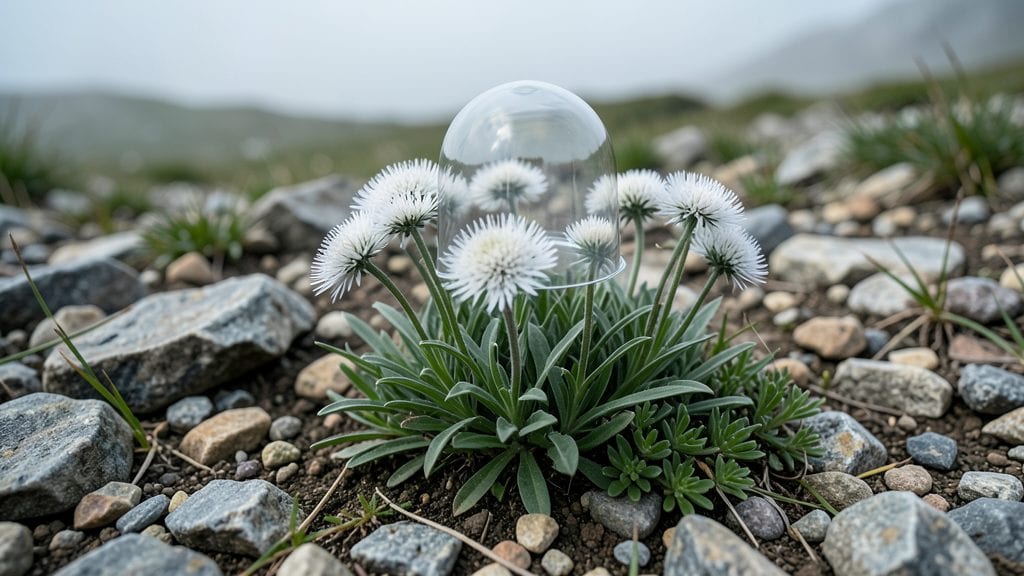
High elevation gardening at 5,000+ feet requires a playbook tailored to the challenges of thin air and cooler temperatures. I've learned that thin air, intense sun, and unpredictable frosts don't have to ruin your harvest—you just need to work with the mountain's rules, not against them.
The key is adjusting soil, water, and plant choices to match the high-altitude environment where seasons feel compressed and roots struggle to breathe.
Start with soil that holds moisture but drains well—think 30% compost mixed into native soil to improve water retention. Watering becomes an art: deep, infrequent soaks in the morning prevent evaporation, and drip irrigation cuts water waste by 40%.
Choose cold-hardy varieties like Colorado potatoes, hardy kale, or alpine strawberries that thrive where others bolt or freeze. My first year, I lost half my lettuce to overnight frosts until I switched to varieties labeled for high elevations.
You'll notice plants growing slower but producing sweeter flavors—like tomatoes that develop deeper color and potatoes with tighter skins. The trade-off is worth it: fewer pests, less disease pressure, and a garden that feels resilient against the elements.
With these adjustments, you can turn rocky slopes or high-altitude patios into productive spaces that outperform lowland gardens.
Works for any elevation above 3,000 feet, from Colorado front range yards to Pacific Northwest foothills. The principles scale whether you're growing in containers or tilling soil—just tweak the timing and varieties to match your specific microclimate. Let's get those high-altitude beds thriving.
📚 In This Guide
- What you need
- Instructions
- Tips and common mistakes
- Wrapping up and next steps
What you need
- ● Soil Amendments: Compost (2–3 cubic yards per 100 sq ft) – boosts nutrients and water retention
- ● Peat moss or coconut coir (1–2 bags per 10 sq ft) – improves drainage in rocky soil
- ● Slow-release fertilizer (10-10-10 or organic options, 5–10 lbs per 100 sq ft)
- ● Watering Supplies: Drip irrigation system or soaker hoses (critical for water efficiency)
- ● 5–10 gallon water storage containers (for emergency reserves)
- ● Rain barrels (if rainfall is unpredictable)
- ● Plant Protection: Frost cloth or row covers (black or white, 30–50 ft rolls)
- ● Shade cloth (30–50% coverage, 10x10 ft sheets)
- ● Windbreaks (burlap or plastic screens, 6–8 ft tall)
- ● Tools: Adjustable wrench and pruners (for high-altitude plant adjustments)
- ● Garden fork (heavy-duty, for breaking up rocky soil)
- ● pH testing kit (high elevations often have alkaline soil)
- ● Cold frames or mini greenhouses (extends growing season by 4–6 weeks)
- ● Heat-absorbing mulch (black plastic or straw, 2–3 inches thick)
- ● High-altitude seed varieties (hardier, faster-maturing plants)
- ● Portable greenhouse or hoop house (for delicate seedlings)
Instructions for high elevation gardening success
Here’s how to beat the challenges of thin air and short seasons—adjusting for altitude while keeping plants healthy and productive.
Extend the Growing Season Strategically
At 5,000+ feet, frost dates arrive earlier and last longer, so I start by pushing the season boundaries. Plant cold-hardy crops like kale, spinach, and peas 4-6 weeks before your last frost date—they’ll tolerate cooler soil and still produce. For heat-loving plants like tomatoes or peppers, use black plastic mulch (if available) to warm the soil 5-10°F faster than bare ground.
I also stagger plantings every 10-14 days for a continuous harvest. For example, if your frost-free window is only 60 days, plant lettuce in three batches instead of one. This ensures you’re always harvesting something fresh, even if the season feels compressed.
Adjust Watering for Thinner Air
Plants at high elevations lose moisture faster because the air is drier and evaporation rates climb. Water deeply every 2-3 days—not just at the surface—but until 6 inches of soil stays moist. Use a soil moisture meter to check; if it reads dry at 2 inches deep, it’s time to water again.
Mulch immediately after planting with 3-4 inches of straw or wood chips to lock in moisture and regulate soil temperature. I’ve seen gardens at 7,000 feet fail because they treated watering like sea-level gardening. The key is frequency over volume—small, consistent waterings prevent root stress.
Amend Soil for Better Nutrient Uptake
High-altitude soil often lacks organic matter and essential nutrients due to faster decomposition rates. Mix 3-4 inches of compost into the top 6 inches of soil before planting. For container gardens, blend 50% potting mix with 50% compost to improve water retention and microbial activity.
Add a slow-release fertilizer like 10-10-10 at planting time, then top-dress with fish emulsion every 4-6 weeks during the growing season. Plants at elevation struggle to absorb nutrients efficiently, so I fertilize 20-30% more than recommended on seed packets. Watch for yellowing leaves—a sign of nitrogen deficiency—and adjust accordingly.
Choose the Right Varieties
Not all plants thrive at 5,000+ feet. Opt for short-day varieties of squash, beans, and melons, as they mature faster in cooler conditions. For vegetables, select early-maturing hybrids with labels like "Early Girl" or "Quick Pick." Herbs like basil and cilantro may bolt quickly, so I grow them in partial shade and harvest aggressively.
Perennials like asparagus and rhubarb perform well at elevation because they establish deep roots early. Avoid tropical plants like okra or sweet potatoes, which struggle with the shorter growing season. Always check seed packets for altitude recommendations—some varieties specify "high elevation" on the label.
Protect Plants from Harsh Conditions
Wind and intense sunlight at high elevations can scorch or stunt plants. Use row covers or fabric tunnels to shield delicate crops like lettuce and brassicas from drying winds. For tomatoes and peppers, stake them early and prune suckers to direct energy into fruit production rather than leaf growth.
I also group plants with similar water and sunlight needs together to create microclimates. For example, place shade-tolerant herbs near taller crops like corn or sunflowers to protect them from afternoon sun. This simple arrangement reduces stress and improves yields in tight spaces.
Tips & tricks for high elevation gardening success
A few strategic adjustments can transform your high-altitude garden from struggling to thriving. Here's what I've learned from years of gardening at 5,000+ feet.
Soil Temperature Secret: The 5-10°F soil warming from black plastic mulch makes all the difference for heat-loving plants like tomatoes and peppers. I've found that laying the mulch down a week before planting gives the soil time to warm up enough to support faster germination. For extra insurance, I use a soil thermometer to confirm temperatures reach at least 60°F before planting warm-season crops.
Watering Wisdom: Those 2-3 day watering intervals in Step 2 require careful monitoring. I've discovered that checking soil moisture at 2 inches deep is more reliable than sticking to a schedule. At elevation, morning watering is ideal—it gives plants time to absorb moisture before the intense afternoon sun evaporates it. Consider installing a drip irrigation system with timers to automate this critical task and prevent missed waterings.
Nutrient Boost: The 20-30% extra fertilizer recommendation in Step 3 is non-negotiable at high elevations. Plants work harder to absorb nutrients in thin air, so I've developed a routine of side-dressing with compost tea every 4-6 weeks alongside the fish emulsion. This double approach ensures plants get both immediate and sustained nutrition. Watch those leaves closely—they'll tell you exactly what's missing through their color changes.
Variety Selection Strategy: When choosing early-maturing hybrids, I always look for varieties labeled specifically for high elevation. For example, the 'Early Girl' tomato performs exceptionally well at 5,000+ feet, while regular beefsteak varieties often struggle. I've also found that heirloom varieties like 'Black Krim' tomatoes handle the altitude better than many commercial hybrids. Don't overlook the value of seed packet recommendations—they're often based on real-world elevation testing.
Pro Tips for High Elevation Gardening
- A few strategic adjustments can transform your high-altitude garden from struggling to thriving.
- Soil Temperature Secret: The 5-10°F soil warming from black plastic mulch makes all the difference for heat-loving plants like tomatoes and peppers.
- Watering Wisdom: Those 2-3 day watering intervals in Step 2 require careful monitoring.
Frequently asked questions
Got questions about high elevation gardening?
You’re not alone! Here are answers to the most common challenges and curiosities—because even pros need a little guidance when working at 5,000+ feet.
What are the biggest challenges of gardening at high elevations?
Cold snaps, shorter growing seasons, and intense UV rays are your top foes. Soil also drains faster due to lower air pressure, so moisture retention and wind protection become critical. Start with cold-hardy plants, use mulch like straw or wood chips, and consider raised beds to improve soil structure.
How do I adjust planting timelines for high elevation?
Wait until after the last frost—usually 2-4 weeks later than lower elevations—and opt for fast-maturing varieties. Check your USDA zone (likely 5-7 at 5,000+ ft) and add row covers or cold frames for early starts. Harden off seedlings slowly to avoid shock from temperature swings.
Why do my high-elevation plants wilt so quickly, even with regular watering?
Thin air and strong sun increase evaporation—water penetrates soil faster but doesn’t stay long. Deep watering 2-3x/week (early morning) and amending soil with organic matter (like compost) helps. Drip irrigation or soaker hoses conserve moisture better than overhead sprinklers.
Can I grow the same plants as my friends at lower elevations?
Not always! Swap heat-loving veggies (like tomatoes or peppers) for cold-tolerant alternatives: potatoes, kale, carrots, and hardy greens thrive. Check seed packets for “short-day” or “cool-season” labels. Herbs like thyme and oregano also handle altitude well—plus, they’re drought-resistant!
What’s the easiest fix for stunted or yellowing high-altitude plants?
Yellow leaves often signal nutrient deficiency (especially nitrogen) or poor soil structure. Test your soil and amend with compost or a balanced fertilizer. If growth is slow, try mycorrhizal fungi (available at garden centers) to boost root health in thin, rocky soil.
Pro tip: Keep a gardening journal to track what works each year—high elevation gardening is a marathon, not a sprint!
Wrapping up and next steps
High elevation gardening at 5,000+ feet may seem challenging, but with the right plants, soil prep, and care strategies, you can create a thriving garden that rivals lower-altitude plots! 🌱 The key is embracing hardy varieties, extended growing seasons, and smart watering techniques—not fighting nature’s rhythm.
Whether you’re a seasoned gardener or just starting, your green thumb can adapt to the altitude.
Ready to take the next step? Start small—pick one or two cold-resistant crops or experiment with container gardening to test what works best in your microclimate. Before you know it, you’ll be harvesting fresh, high-altitude goodies with pride! 🌿