
Advice
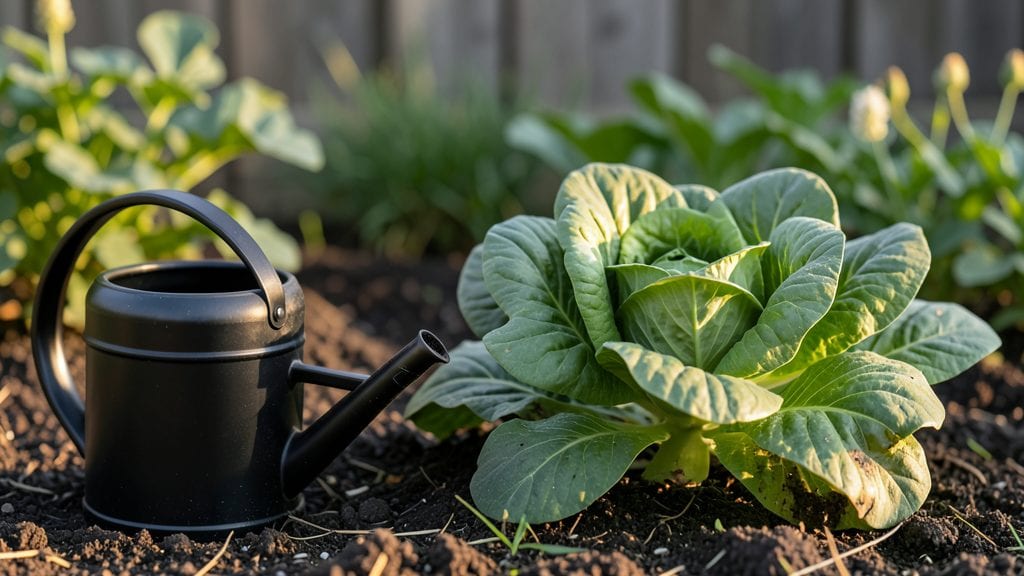
Home gardening tips that actually work—no green thumb required. 🌱 I’ve spent years testing what sticks and what flops, and the secret isn’t fancy tools or endless research, but simple routines that keep plants thriving without the stress.
The difference between a thriving garden and a struggle? A few key habits that save time, water, and frustration.
Start with soil that drains well—amend heavy clay or sandy soil with compost before planting. Water deeply twice a week (not daily) to encourage strong roots, and mulch to lock in moisture.
Prune herbs regularly to keep them bushy, and rotate crops yearly to prevent disease. These small tweaks cut down on pests and weeds before they become problems.
📚 In This Guide
- What you need
- Instructions
- Tips and common mistakes
- Wrapping up and next steps
What you need
- ● Garden Space: Container garden: At least 5-gallon pots (1–2 per plant) or raised beds (4’x8’ for beginners).
- ● In-ground garden: A sunny spot (6+ hours of light daily) with well-draining soil.
- ● Soil & Amendments: High-quality potting mix (sterile, peat-free options work best). Quantity: Enough to fill containers or refresh beds (1–2 bags per 4’x8’ bed).
- ● Compost (homemade or store-bought) for nutrients. Pro tip: Mix in 1–2 inches into soil before planting! 💡
- ○ Optional: Perlite or vermiculite (for drainage) or worm castings (for organic boost).
- ● Tools: Hand trowel (for planting/seeding).
- ● Pruners (bypass pruners for clean cuts).
- ● Garden gloves (nitrile-coated for durability).
- ● Watering can or hose with adjustable nozzle.
- ● Measuring tape (for spacing plants).
- ● Mulch (straw, shredded leaves, or wood chips) to retain moisture.
- ● Drip irrigation kit or soaker hoses for efficient watering.
- ● Plant markers (stakes or labels) to track varieties.
- ● Treasure trove of seeds/plants: Start with easy picks like lettuce, basil, cherry tomatoes, or marigolds!
- ● Seasonal tools: Frost cloth (for tender plants), row cover (to deter pests).
Instructions: simple year-round gardening techniques that actually work
Here's how to keep your garden thriving with minimal effort—no green thumb required.
🌱 Step 1: Start Small and Choose the Right Location
Pick a spot that gets at least 6 hours of sunlight daily for most vegetables and herbs. I always test my chosen area by placing a plant there for a week first—if it thrives, that’s your ideal spot. For shade-loving plants like lettuce or ferns, choose a location with partial shade (3-6 hours of morning sun).
Use containers for flexibility—this lets you move plants as seasons change. I keep my herbs on the patio in summer and bring them indoors near a sunny window in winter. A 4-inch pot works for most herbs, while vegetables like tomatoes need at least 1 gallon per plant.
☀️ Step 2: Master the Basics of Watering
Water deeply but infrequently—1-2 times per week is enough for most plants once established. The key is to moisten the soil 6 inches deep so roots grow downward. I check by sticking my finger in the soil; if it feels dry at that depth, it’s time to water.
Water in the morning to reduce evaporation and fungal diseases. Avoid overhead watering, especially for leafy greens, as wet foliage invites pests. Instead, use a watering can with a long spout or a drip irrigation system for precision.
🌿 Step 3: Feed Soil, Not Just Plants
Healthy soil is the secret to low-maintenance gardening. I mix in 2-3 inches of compost into the top 6 inches of soil before planting. This improves drainage, retains moisture, and provides nutrients naturally. For container gardens, add a slow-release fertilizer at planting time and top-dress with compost every 3 months.
Don’t overdo it with synthetic fertilizers—they can burn plants and disrupt soil balance. Instead, use organic matter like well-aged manure or worm castings. Mulch with straw or shredded leaves to keep soil moist and suppress weeds, saving you hours of weeding.
✂️ Step 4: Prune and Harvest Regularly
Pruning encourages bushier growth and better yields. Pinch off the tips of herbs like basil and mint when they reach 4-6 inches tall to promote branching. For vegetables, harvest regularly—picking tomatoes, beans, or lettuce when they’re ripe encourages more production.
Deadhead spent flowers on perennials to redirect energy into new growth. I always use clean, sharp scissors to avoid damaging stems. If a plant looks leggy or overgrown, a light trim can revive it. Just avoid cutting into old wood on woody plants like shrubs.
⏰ Step 5: Adjust for Seasons Without Guesswork
In spring, focus on planting cool-season crops like peas, spinach, and broccoli. Summer is for heat-lovers like tomatoes, peppers, and basil. Fall is perfect for kale, carrots, and radishes, while winter can still grow hardy greens like Swiss chard and onions.
Extend the season with row covers or cold frames. I use floating row covers in early spring to protect tender plants from frost while still letting sunlight through. In winter, move potted plants to a sheltered spot or under grow lights if needed.
Tips & tricks for perfect year-round gardening
Here's what I've learned after years of gardening—these simple tricks will help you grow a thriving garden with minimal effort.
Sunlight Secret: The 6 hours of sunlight mentioned in Step 1 is non-negotiable for most vegetables and herbs. I've seen people struggle because they assumed partial shade meant "any shade"—but morning sun is different from afternoon sun. Place a plant in your chosen spot for a week first; if it looks healthy after 7 days, you've found your sweet spot. For shade-loving plants like lettuce, those 3-6 hours of morning sun should be gentle—avoid harsh afternoon rays that can scorch delicate leaves.
Container Hack: When using containers like the 4-inch pots for herbs, I always drill drainage holes first—even if the pot claims to have them. This prevents root rot, which can kill your plants faster than you'd think. For vegetables like tomatoes that need at least 1 gallon per plant, I use self-watering containers to maintain consistent moisture without overwatering. The key is to match container size to plant needs—small pots dry out too quickly, while oversized containers hold too much moisture.
Watering Wisdom: The 1-2 times per week watering guideline works best when you check soil moisture at 6 inches deep. I've ruined plants by watering based on a schedule rather than actual soil conditions. Here's my trick: Use a long screwdriver or dowel to check moisture—if it comes out dry, water thoroughly. Morning watering isn't just about evaporation; it gives plants time to dry out during the day, reducing fungal diseases that thrive in damp foliage. For container gardens, I water when the top inch of soil feels dry to the touch.
Seasonal Transition Strategy: When adjusting for seasons in Step 5, I always prepare a simple chart with planting windows for my climate zone. For example, I plant cool-season crops like peas in early spring (when soil temps reach 40°F) and again in fall (when nights stay above 50°F). For summer heat-lovers like tomatoes, I use row covers during early spring to protect from frost while still allowing sunlight through. In winter, I move potted herbs indoors near sunny windows—just make sure they get at least 4-6 hours of light daily to prevent leggy growth.
Pro Tips for Home Gardening Tips
- Here's what I've learned after years of gardening—these simple tricks will help you grow a thriving garden with minimal effort.
- Sunlight Secret: The 6 hours of sunlight mentioned in Step 1 is non-negotiable for most vegetables and herbs.
- Container Hack: When using containers like the 4-inch pots for herbs, I always drill drainage holes first—even if the pot claims to have them.
Frequently asked questions
Got questions about home gardening? You’re not alone! Here are answers to the most common queries to help you grow with confidence—no green thumb required.
What’s the easiest way to start a home garden with limited space?
No yard? No problem! Use containers, window boxes, or vertical planters for herbs, lettuce, or strawberries. Just ensure they’re at least 6–12 inches deep, have drainage holes, and get 4–6 hours of sunlight daily. Start small with fast-growing plants like basil or cherry tomatoes for quick wins!
When is the best time to plant vegetables and herbs in my region?
Timing depends on your climate! For most U.S. regions, cool-season crops (like spinach or kale) thrive in early spring or fall, while warm-season plants (tomatoes, peppers) need soil temps above 60°F. Check your USDA Plant Hardiness Zone and local frost dates. Pro tip: Use a soil thermometer to test readiness!
How can I garden on a budget without sacrificing quality?
Skip fancy setups! Save seeds from store-bought organic veggies (like tomatoes or peppers), repurpose household items (milk jugs as planters), and swap cuttings with neighbors. Compost kitchen scraps for free fertilizer, and shop discount nurseries or online sales for bulk seeds. Even a $20 starter kit can yield a bountiful harvest!
What’s the simplest way to deal with pests naturally?
Avoid chemicals with these tricks: Handpick pests early in the morning, use neem oil spray (mix 1 tsp with 1 quart water), or introduce beneficial insects like ladybugs. Row covers deter flying pests, and companion planting (e.g., marigolds near tomatoes) confuses bugs naturally. Rotate crops yearly to break pest cycles!
Can I grow a garden successfully in full shade or apartments with no sunlight?
Opt for shade-tolerant plants like Swiss chard, leafy greens (spinach, arugula), or herbs (mint, parsley). Place containers near bright windows or use grow lights (LED bulbs work great). For apartments, try microgreens—they sprout in as little as 3 days under indoor lighting and pack a nutritional punch!
Wrapping up and next steps
Home gardening doesn’t have to be complicated—with the right zero-fuss techniques, you can enjoy fresh produce and greenery year-round! Whether you’re a beginner or a seasoned green thumb, consistency, smart planning, and a little creativity are all you need.
Start small, experiment with what thrives in your space, and watch your garden grow into a thriving oasis.
Ready to take the next step? Pick one tip from this guide—like starting with easy-to-grow herbs or setting up a simple container garden—and give it a try this week. Your future self (and your dinner plate!) will thank you. 🌱✨