
Light Requirements
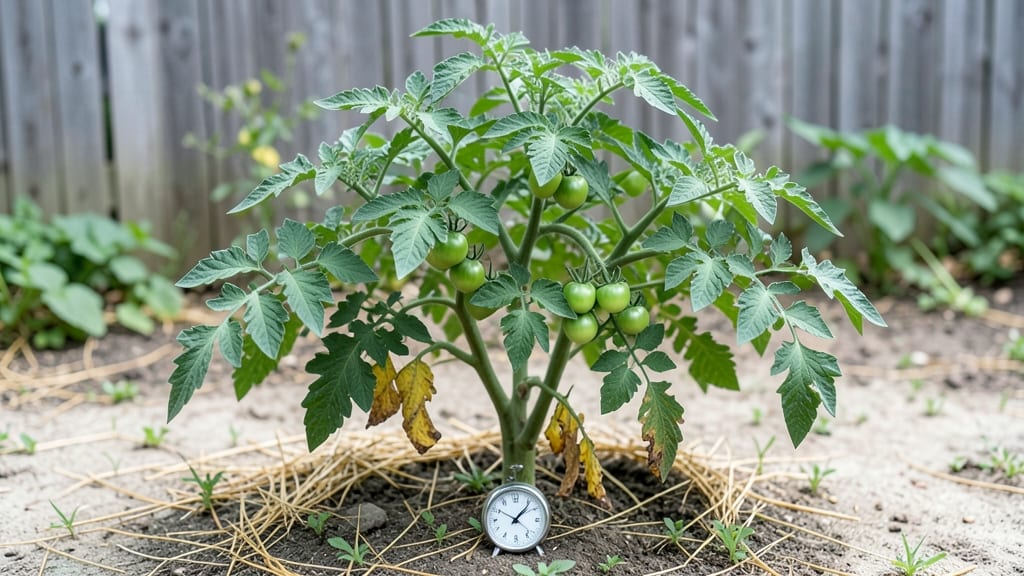
Sunlight isn’t just about hours—it’s about intensity and consistency. 🌞 Crops like zucchini or cucumbers need those 6-8 hours of bright, direct rays to prevent bitter flavors and maximize growth, while kale or arugula can actually bolt (go to seed prematurely) if they get too much sun.
Even within the same plant family, varieties differ—like cherry tomatoes needing more light than beefsteak types. I’ve seen gardens where a 3-foot difference in placement meant the difference between a bumper crop and sad, leggy plants.
Your garden’s microclimate matters just as much as the numbers. A south-facing plot gets more consistent light than one against a north-facing wall, and tall plants like corn can cast shadows that stunt nearby radishes.
I always recommend testing your space with a sunlight tracker app for a week—it reveals patterns you’d miss by eyeballing it. Even partial shade can be strategic if you pair sun-lovers with shade-tolerant crops, like bush beans under a tomato plant’s canopy.
💡 In This Article
- Sunlight Requirements by Vegetable Type
- Adjusting Garden Layout for Sunlight Variations
Sunlight requirements by vegetable type
Photosynthesis is the powerhouse of plant growth, and sunlight provides the energy that drives this process. For most fruiting vegetables like tomatoes, peppers, and eggplants, 6-8 hours of direct sunlight is non-negotiable—they need this intensity to develop the energy required for flower formation and fruit production.
Without enough light, these plants become leggy, produce fewer flowers, and yield smaller, less flavorful fruits. The key mechanism here is chlorophyll production, which peaks under full sun, allowing plants to convert light into glucose more efficiently.
Leafy greens and herbs operate differently—they prioritize leaf growth over fruiting, so they thrive with 4-6 hours of sunlight. Take spinach or kale as examples: these plants grow best in cooler conditions and actually bolt (go to seed prematurely) when exposed to more than 6 hours of direct sun.
The science behind this is their natural adaptation to partial shade in their native habitats, where they avoid the stress of excessive heat. Even basil and cilantro prefer partial shade, especially in hot climates, where full sun can cause them to wilt or become bitter.
Root vegetables like carrots, beets, and radishes fall into the shade-tolerant category, needing just 3-4 hours of direct sunlight daily. These crops grow underground, where they’re shielded from the sun’s intensity, and their energy goes into developing the edible root rather than foliage.
However, too little light (under 3 hours) can lead to stunted growth and poor flavor—think of the difference between a sweet, crisp carrot and one that’s woody and tough. The trade-off here is that their tops stay smaller, reducing competition for sunlight with taller neighbors.
What most gardeners overlook is how light quality changes with the seasons. Early spring and late fall sunlight is less intense (about 25-30% weaker than summer sun), which means plants need even more hours to compensate.
This is why spring-planted tomatoes often struggle unless given extra support or extended light with grow lamps. Conversely, summer’s harsh, direct rays can scorch delicate leaves, so afternoon shade becomes crucial for heat-sensitive crops like lettuce or green onions.
Here’s a quick reference for common garden categories:
- Full Sun (6+ hours): Tomatoes, peppers, cucumbers, zucchini, corn, melons, squash
- Partial Shade (4-6 hours): Leafy greens (spinach, kale), herbs (basil, parsley), bush beans, peas
- Shade-Tolerant (under 4 hours): Root veggies (carrots, beets), garlic, onions, some lettuce varieties
Pro tip: If you’re growing heat-loving crops like tomatoes in a cooler climate, consider using reflective mulch (like white plastic) to bounce extra light onto the plants. This can effectively add 1-2 hours of usable sunlight without extra space. 💫