
Tools
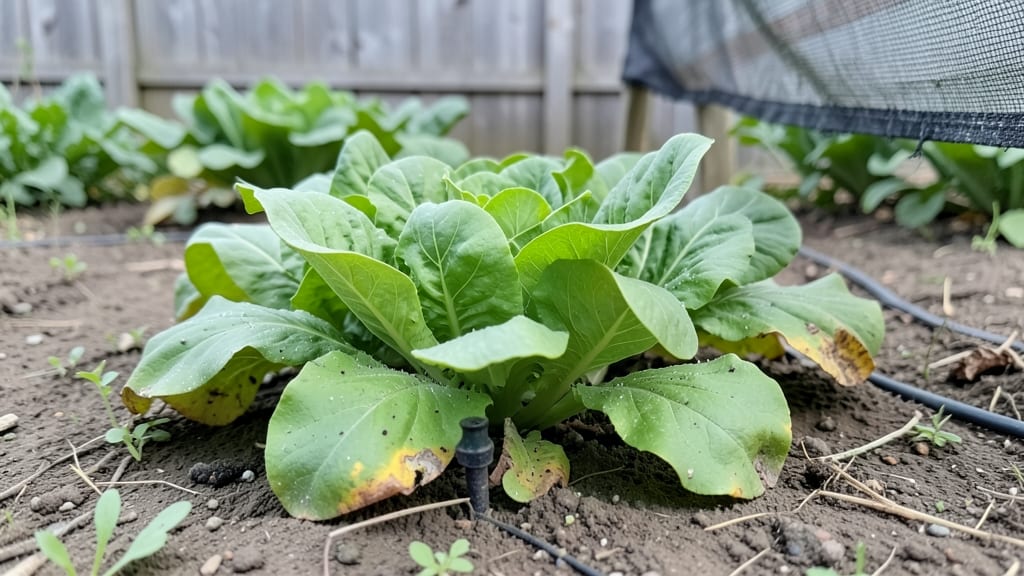
Creating a successful market gardening climate depends on temperate conditions with balanced seasons—mild winters, warm summers, and steady rainfall—though innovative growing techniques can adapt these needs to less-than-ideal regions. The best results come from USDA zones 5-9, where microclimate control maximizes yield potential for high-density production.
Market gardening thrives where nature's rhythm aligns with crop needs, but smart gardeners know how to work with what they've got. 🌱 The key lies in understanding your local climate's quirks—whether it's extending the growing season with row covers in cooler zones or managing humidity to prevent fungal diseases in wetter areas.
I've seen small-scale growers in zone 4 achieve impressive yields by combining cold frames with succession planting, proving that adaptability often beats rigid rules.
Beyond basic zone guidelines, soil temperature plays a hidden role—cool-season crops like lettuce and spinach need soil temps above 40°F to germinate properly, while tomatoes and peppers demand 70°F+ for optimal flowering.
This is where microclimates shine: a south-facing slope might be 10°F warmer than the surrounding area, creating perfect conditions for heat-loving plants while protecting frost-sensitive varieties nearby.
💡 In This Article
- Optimal Temperature and Microclimate Factors for Market Gardens
- Selecting Crops for Your Market Gardening Climate Zone
Optimal temperature and microclimate factors for market gardens
Market gardens perform best when air temperatures stay between 50-85°F—this range supports photosynthesis efficiency while preventing heat stress or chilling injuries. Below 50°F, many crops enter survival mode, slowing growth and reducing yields by up to 30% for leafy greens.
Above 85°F, plants like tomatoes and peppers start dropping flowers due to pollen sterility, while weeds and pests thrive in the warmer conditions. The sweet spot for most market crops falls between 65-75°F, where metabolic processes like nutrient uptake and flowering peak.
Humidity levels create another critical factor—too much moisture (above 75% relative humidity) encourages fungal diseases like powdery mildew, while dry conditions (40% or lower) stress plants and attract spider mites. I've seen basil crops in high-humidity zones lose 40% of leaves to downy mildew without proper airflow.
Wind exposure also matters: gentle breezes (5-10 mph) improve pollination and reduce heat stress, but sustained winds above 15 mph can physically damage plants or blow away soil moisture, requiring windbreaks or strategic planting near barriers.
Seasonal variations demand careful planning. Frost-free periods determine which crops you can grow—regions with 180+ days between last spring frost and first fall frost can support year-round production of heat-loving crops, while shorter seasons (120 days) require fast-maturing varieties or cold-hardy selections.
Greenhouses modify these constraints by extending seasons by 4-6 weeks at either end, creating microclimates where 80°F daytime temps can be maintained even in 30°F ambient conditions through simple techniques like double-layered plastic and buried pipes for radiant heating.
Soil temperature plays a hidden but crucial role—cool-season crops like kale need soil temps above 40°F to germinate, while warm-season crops like cucumbers won't sprout below 60°F.
This is where microclimates become your secret weapon: a black plastic mulch can raise soil temps by 10-15°F compared to bare earth, creating pockets of ideal conditions. I've used this technique to grow tomatoes 3 weeks earlier in spring and 2 weeks later in fall than the surrounding fields.
Pest pressure shifts dramatically with climate conditions—aphids multiply 5x faster in warm, humid conditions, while beneficial insects like ladybugs thrive in dry, sunny environments.
This is why successful market gardeners monitor humidity levels closely and use shade cloth to reduce peak summer temps by 10-15°F when growing heat-sensitive crops like lettuce. The right microclimate balance can reduce pest-related crop losses by up to 60% without chemical interventions.
What most people overlook is how these factors interact—high humidity combined with poor airflow creates the perfect storm for disease, while windy conditions can both pollinate plants and dry out soil simultaneously.
The solution often lies in layered approaches: using drip irrigation to maintain soil moisture while keeping foliage dry, or planting windbreaks that reduce erosion while creating sheltered microclimates for delicate crops. These small adjustments can mean the difference between a 30% yield increase and a complete crop failure.