
Light Requirements
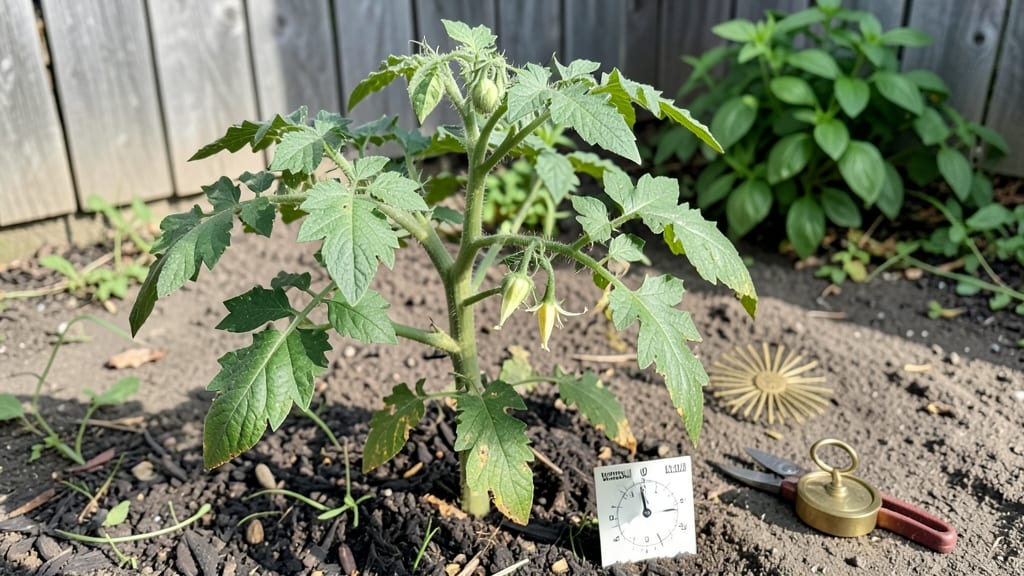
A vegetable garden needs 6 to 8 hours of sunlight daily, though specific crops vary—leafy greens thrive in partial shade (4-6 hours), while tomatoes and peppers require full sun (8+ hours). Adjust spacing and plant selection based on your garden’s sunlight exposure to optimize growth.
Understanding your garden's light patterns is key to selecting the right plants for each spot. For example, root vegetables like carrots and beets actually prefer 4-6 hours of sunlight to prevent bolting, while herbs such as basil and cilantro can handle partial shade but may become leggy without enough light.
I've found that observing your yard's sun paths throughout the day—especially during summer solstice—helps map out high-performing zones for sun-hungry crops like eggplants and squash. 🔥
Even with the right sunlight exposure, soil quality and watering habits can amplify or diminish a plant's potential. For instance, tomatoes in 8+ hours of sun will produce more fruit, but consistent moisture and nutrient-rich soil become equally critical during their growth cycle.
I recommend grouping plants with similar light needs together to simplify maintenance and create microclimates that support optimal photosynthesis. This approach minimizes stress on your plants and maximizes your harvest.
💡 In This Article
- Sunlight Requirements by Vegetable Type: Full Sun vs Partial Shade
- Maximizing Garden Sunlight: Layout Tips for Small Spaces
Sunlight requirements by vegetable type: full sun vs partial shade
Photosynthesis efficiency varies dramatically between vegetable types because their metabolic needs differ. Leafy greens like spinach and kale operate with 4-6 hours of light through a process called "shade tolerance," where their broad leaves capture diffused sunlight efficiently.
These plants prioritize leaf growth over fruit production, so they thrive in partial shade where direct sun might scorch their delicate foliage.
In contrast, fruiting vegetables like tomatoes and peppers require 8+ hours of sunlight to fuel their energy-intensive process of converting sugars into fruit—this is why they often bolt (flower prematurely) or produce bitter fruit when light-deprived. 💫
The key difference lies in chlorophyll density and leaf structure. Sun-loving plants develop thicker, waxier leaves with higher chlorophyll concentrations to protect against intense light, while shade-tolerant varieties have thinner leaves optimized for low-light conditions.
For example, a pepper plant's leaves contain about 30% more chlorophyll than spinach leaves, allowing it to absorb sunlight more aggressively. This biological adaptation explains why peppers need full sun while lettuce can grow in as little as 3 hours of morning sunlight. The trade-off?
Sun-loving plants often produce more robust yields when given their preferred light conditions.
You can spot light deprivation in plants by observing their growth patterns. Underperforming tomatoes, for instance, will show yellowing leaves (chlorosis) between veins—a classic sign of insufficient chlorophyll production. Their stems may also grow weak and leggy as they stretch toward any available light source, a condition called "etiolation."
Meanwhile, shade-tolerant herbs like parsley might simply grow slower or develop smaller leaves rather than showing dramatic distress. This visual feedback helps gardeners adjust their plant placement before irreversible damage occurs. 🌱
Root vegetables offer another fascinating case study. Carrots and beets actually prefer partial shade in hot climates because excessive sunlight can cause their edible roots to become woody or bitter.
The ideal scenario is 4-6 hours of morning sun followed by afternoon shade, which keeps their soil moisture stable and prevents bolting. This preference stems from their underground growth habit—they don't need to compete for light like above-ground crops.
Compare this to sunflower plants, which can grow 12+ feet tall when given full sun, demonstrating how light requirements correlate directly with a plant's growth strategy.
Even within the same plant family, light needs can vary significantly. Take the nightshade family as an example: Eggplants require full sun (8+ hours) to develop their characteristic glossy skins and sweet flesh, while their relative, the potato, thrives with 4-6 hours of light.
This variation occurs because eggplants produce fruit that needs energy from photosynthesis, while potatoes grow tubers underground where light isn't a factor. Understanding these family patterns helps create more cohesive garden layouts where related plants with similar light needs are grouped together. 🌿
One often overlooked factor is how sunlight quality changes throughout the day. Morning light contains more blue spectrum wavelengths that promote leafy growth, while afternoon light is richer in red spectrum wavelengths that trigger flowering and fruiting.
This is why many gardeners recommend placing sun-loving plants in areas that receive afternoon sun—it gives them the energy boost they need for fruit production. For shade-tolerant plants, morning light provides the gentler conditions they prefer without the risk of heat stress.
This temporal aspect of sunlight explains why some plants perform better in certain garden locations even if they receive the same total hours of light.