
Companion Plants
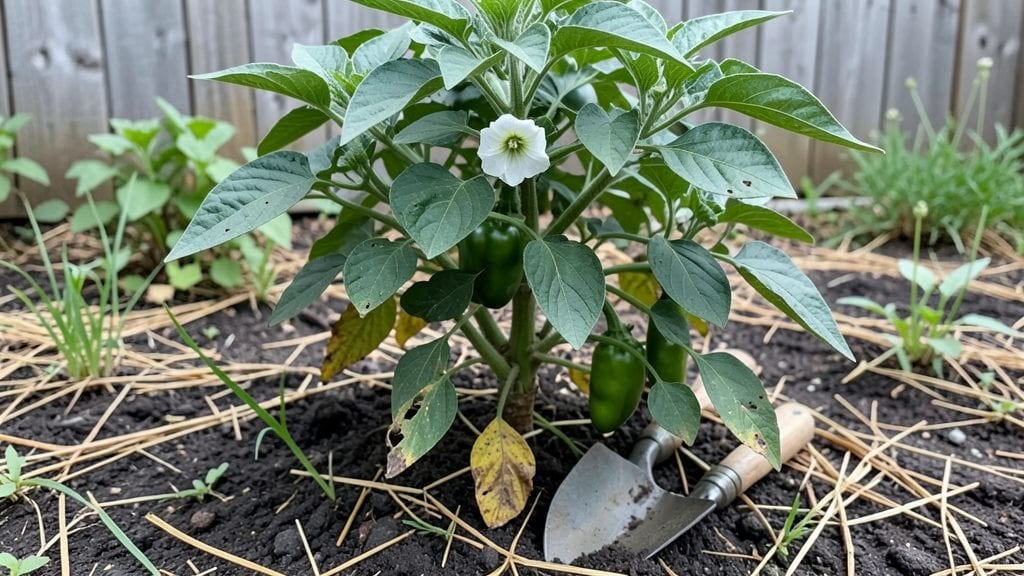
Planting pepper plants in your garden means fiery flavors and sizzling harvests—just give them the right conditions. 🌿 I learned the hard way that peppers need warmth, sunlight, and patience, but once you nail these basics, you’ll be snipping fresh peppers straight from the vine all summer long.
The secret starts with soil that drains well—peppers hate soggy roots—and a spot where they’ll soak up at least 6-8 hours of sun daily. Space them 18-24 inches apart to prevent crowding, and plant just deep enough so the top of the root ball sits level with the soil.
Transplant after the last frost when nighttime temps stay above 55°F.
Within weeks, you’ll see sturdy stems and glossy leaves, then the first hints of those signature peppers forming. The key is consistency: water at the base (not the leaves) and feed with balanced fertilizer every 4-6 weeks.
By mid-summer, you’ll have a bounty of peppers—from sweet bell peppers to fiery jalapeños—ready to harvest.
Works for in-ground beds, raised gardens, or even large containers. Just watch for common pitfalls like overwatering or planting too early—those will stunt your plants before they even get started. Let’s get those peppers thriving!
📚 In This Guide
- What you need
- Instructions
- Tips and common mistakes
- Wrapping up and next steps
What you need
- ● Pepper plants: 4–6 healthy seedlings (transplants) or seeds (if starting from scratch). Choose varieties like Jalapeño, Bell, Cayenne, or Habanero based on your spice preference!
- ● Garden space: A sunny spot with 6–8+ hours of direct sunlight daily. Peppers are sun-lovers!
- ● Well-draining soil: A mix of potting soil + compost (60/40 ratio) or raised beds with organic matter. Aim for a pH of 6.0–6.8 (test with a soil kit if unsure).
- ○ Containers (optional but helpful): 1–2 gallon pots per plant if gardening in pots (ensure drainage holes!).
- ● Fertilizer: Balanced organic fertilizer (10-10-10 or 5-5-5) or compost tea for slow-release nutrients.
- ● Watering can or hose: With a gentle spray nozzle to avoid damaging delicate plants.
- ● Mulch: Straw or shredded leaves to retain moisture and suppress weeds.
- ● Stakes or cages: 3–4 ft tall for support (peppers can get top-heavy!).
- ● Soil moisture meter: To monitor watering needs (peppers hate soggy roots!).
- ● Row covers: For early planting to protect from frost or pests.
- ● Pest control: Neem oil or insecticidal soap (for aphids/spider mites).
- ● Pruning shears: For shaping plants and removing suckers (non-fruiting shoots).
- ● Garden gloves: To keep hands clean while handling spicy varieties!
Step-by-step instructions for planting pepper plants in garden beds
Here's the foolproof method I use to establish healthy, productive pepper plants every season.
🌱 Step 1: Prepare the Planting Site for Optimal Growth
Pepper plants demand full sun—at least 6-8 hours daily—and well-draining soil with a pH between 6.0 and 7.0. Clear the bed of weeds and loosen the soil to a depth of 12 inches using a garden fork. Amend the soil with 2-3 inches of compost mixed into the top 6 inches—this improves drainage and provides nutrients without overwhelming the plants.
I like to work in a 5-foot square for each pepper plant, giving them plenty of room to spread. If your soil is heavy clay, add 1 part perlite to 3 parts soil to prevent root rot. The goal is loose, airy soil that holds moisture but drains freely—peppers hate soggy feet.
🪴 Step 2: Harden Off and Transplant Seedlings
Two weeks before your last frost date, start hardening off seedlings by placing them outside in a sheltered spot for 1-2 hours the first day. Gradually increase their outdoor time by 1 hour daily until they can tolerate full sun for 6+ hours. This toughens their cell walls and prevents transplant shock.
When transplanting, dig a hole twice as wide as the root ball but no deeper. Gently remove the seedling from its container, loosen any circling roots with your fingers, and place it in the hole so the top of the root ball sits level with the soil surface. Peppers resent being buried too deep—this encourages rot and weak stems.
☀️ Step 3: Space and Stake for Strong Structure
Plant pepper seedlings 18-24 inches apart in rows 24-36 inches apart to allow airflow and prevent disease. I always stake tall varieties (like jalapeños or bell peppers) with 5-foot bamboo stakes inserted 2 inches from the stem at planting. Secure the plant with soft ties, leaving room to adjust as it grows.
Mulch around each plant with 2-3 inches of straw or shredded leaves to retain moisture and suppress weeds. Keep the mulch 2 inches away from the stem to prevent rot. Water deeply right after planting to settle the soil and encourage root spread—you’ll see new growth within 7-10 days if conditions are right.
💧 Step 4: Water and Fertilize for Peak Production
Peppers need consistent moisture—water 1-1.5 inches per week, more during fruit set. I water at the base in the morning to reduce evaporation and fungal risks. Let the top 1-2 inches of soil dry between waterings; peppers are drought-tolerant but produce better with steady hydration.
Feed plants with a balanced 10-10-10 fertilizer every 4-6 weeks once flowers appear. I switch to a low-nitrogen, high-phosphorus formula (like 5-10-10) when fruits form to boost sweetness and size. Stop fertilizing 6 weeks before harvest—excess nitrogen makes peppers bitter.
✂️ Step 5: Prune and Maintain for Maximum Yield
Remove suckers (the small shoots that form in the leaf axils) to direct energy into fruit production. Pinch off flower buds on the first 6-8 inches of stem to encourage bushier growth—this is called "topping." You’ll see stronger branches and more flowers later in the season.
As fruits develop, prune any yellowing or diseased leaves immediately to prevent spread. Support heavy varieties (like bananas or poblano peppers) with soft ties to the stakes. Harvest peppers when they reach full color and firmness—regular picking encourages more production.
Tips & tricks for perfect pepper plant growth in garden beds
A few simple strategies can transform your pepper plants from struggling survivors to prolific producers.
Soil Preparation Secret: The 6-8 hours of daily sun is non-negotiable, but soil quality makes the difference between mediocre and exceptional yields. I test my soil pH every year—peppers thrive in that 6.0-7.0 range. If your soil tests lower, mix in pelletized lime according to package instructions before planting. For heavy clay soils, I've found that adding 1 part perlite to 3 parts soil creates the perfect airy texture peppers crave. The 12-inch depth you loosen is crucial—it gives roots room to establish without competing with weeds.
Transplanting Technique: That 1-2 hour hardening off period might seem short, but trust me—rushing it leads to transplant shock. I start seedlings indoors under grow lights to give them a head start, then begin hardening off when nighttime temperatures stay above 50°F. When transplanting, the "twice as wide" hole is essential for root spread, but I always add a handful of compost to the bottom to give those roots immediate nutrients. The key detail? Keeping the root ball level with the soil prevents waterlogging at the stem.
Pruning Strategy: Those early flower buds you pinch off might seem like wasted potential, but topping encourages stronger branching that produces more flowers later. I use clean pruning shears to remove suckers at their base—never tear them, as this damages the plant. For heavy varieties like bananas, I install soft plant ties at planting time, adjusting them as the plant grows. This prevents stem breakage when fruits develop, which can happen surprisingly fast in ideal conditions.
Watering Wisdom: The 1-1.5 inches per week guideline is perfect, but timing matters just as much. I water deeply in the morning to let foliage dry before evening, which dramatically reduces fungal risks. The "top 1-2 inches dry" rule works well, but I check soil moisture by hand—if the soil feels dry 1 inch down, it's time to water. Mulching with straw or shredded leaves (keeping it 2 inches from the stem) locks in moisture and keeps roots cool during hot afternoons.
Pro Tips for Planting Pepper Plants In Garden
- A few simple strategies can transform your pepper plants from struggling survivors to prolific producers.
- Soil Preparation Secret: The 6-8 hours of daily sun is non-negotiable, but soil quality makes the difference between mediocre and exceptional yields.
- Transplanting Technique: That 1-2 hour hardening off period might seem short, but trust me—rushing it leads to transplant shock.
Frequently asked questions
Got questions about growing your own pepper plants? You’re not alone—here are some of the most common ones, answered for your spicy success!
When is the best time to plant pepper seeds or seedlings?
Pepper plants thrive in warm soil—wait until after the last frost when nighttime temps stay above 55°F (13°C). Start seeds 8–12 weeks before transplanting indoors (or buy seedlings from a nursery). For most climates, April–June is ideal. Pro tip: Use a soil thermometer to confirm warmth before planting!
How much sunlight do pepper plants really need?
Pepper plants are sun-worshippers! They need 6–8+ hours of direct sunlight daily. If your garden gets less, try a south-facing spot or supplement with grow lights. Yellowing leaves? You might need to move them to a sunnier location. Watch for signs of stress like slow growth or weak stems.
What are the most common pests or diseases, and how do I prevent them?
Pepper plants often face aphids, spider mites, or fungal issues like powdery mildew. Prevent problems with:
- Neem oil spray (weekly preventive treatment)
- Good airflow (space plants 18–24 inches apart)
- Avoid overhead watering (water at the base to keep leaves dry)
Can I grow peppers in containers, or do they need a garden bed?
Peppers adapt well to containers (5+ gallon pots) if they have:
- Drainage holes
- Well-draining potting mix
- Regular watering (containers dry out faster)
How long does it take for pepper plants to produce fruit?
Patience is key! After transplanting, expect:
- 60–90 days to first flowers (if conditions are ideal)
- 7–12 weeks after flowering for peppers to ripen
- Warmth (peppers hate cold snaps!)
- Fertilizer (use a balanced 10-10-10 or tomato/vegetable mix)
- Consistent watering (keep soil moist but not soggy)
What can I do if my pepper plants aren’t fruiting?
No peppers yet? Don’t panic—try these fixes:
- Check the variety: Some peppers (like ornamental types) are bred for looks, not spice!
- Pollinate by hand: Gently shake plants or use a small brush to transfer pollen if bees aren’t visiting.
- Adjust care: Peppers need phosphorus-rich fertilizer (like bone meal) for flowering.
- Rule out stress: Overwatering, extreme heat (>95°F), or transplant shock can halt fruit production.
Wrapping up and next steps
Growing pepper plants in your garden is a rewarding journey that brings bold flavors and vibrant colors to your meals—and your life! 🌱 With the right sunlight, soil, and care, you’ll enjoy a bountiful harvest of sweet bell peppers, fiery jalapeños, or anything in between.
Start by choosing the perfect spot, then nurture your plants with patience and love.
Now that you’re equipped with all the tips and tricks, roll up your sleeves and get planting! Ready to taste the fruits of your labor? Next, explore companion planting ideas to boost your pepper plants’ growth and deter pests—your garden (and taste buds) will thank you!