
Light Requirements
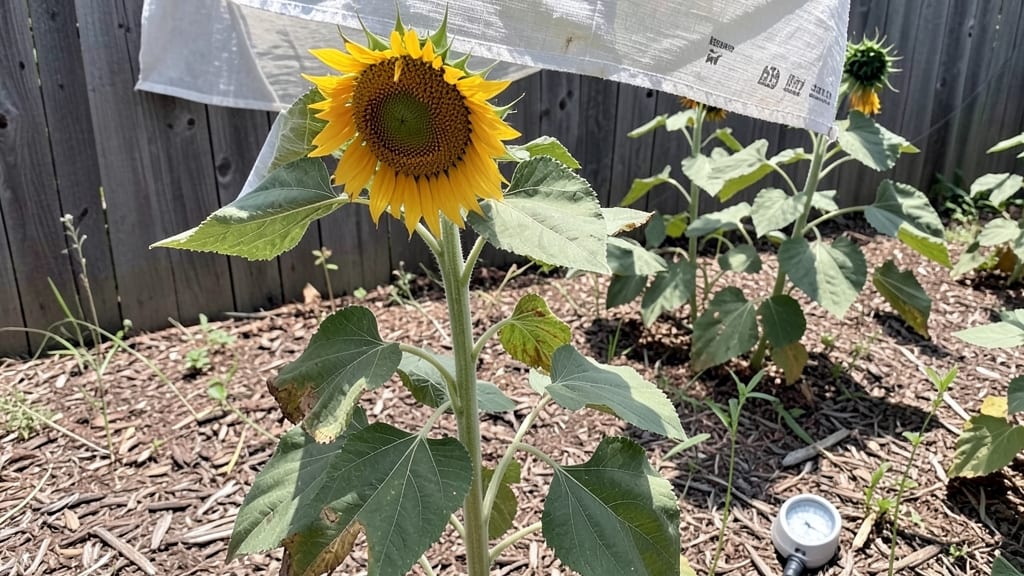
A garden needs sunlight varying by plant type—most vegetables and flowers require 6 to 8 hours daily, while shade-loving plants thrive with 2 to 4 hours. Succulents and desert plants demand full sun (10+ hours), while tropicals prefer partial shade (3 to 6 hours). Adjust placement based on your climate and microclimates.
Understanding your garden’s light exposure starts with observing how sunlight shifts throughout the day—morning sun behaves differently from afternoon heat, and your local climate plays a huge role.
For example, tomatoes and peppers need that full 6-8 hours of direct light to produce fruit, while ferns or hostas can scorch in too much sun. I’ve seen beginners overestimate their garden’s brightness by eyeballing it, so using a sunlight tracker app for a week helps pinpoint exact hours.
Even a 1-hour difference can mean the difference between thriving and struggling plants!
Don’t forget about seasonal changes—what’s full sun in summer might turn into partial shade in winter due to lower sun angles. Succulents and rosemary can handle this shift, but delicate annuals like impatiens might need relocation.
Pro tip: Group plants with similar light needs together to create natural microclimates, like planting shade-tolerant veggies under fruit trees or using reflective surfaces (like white gravel) to bounce extra light into darker corners. 💫
💡 In This Article
- Sunlight Requirements for Common Garden Plants
- Assessing Your Garden’s Sunlight and Adjusting Plant Placement
Sunlight requirements for common garden plants
Leaf structure and photosynthesis efficiency determine how much sunlight plants need. Broadleaf plants like tomatoes and sunflowers have large, flat leaves designed to capture maximum sunlight for energy production. Their chloroplasts (the energy factories in cells) thrive with 6-8 hours of direct light, converting it into glucose through photosynthesis.
In contrast, shade-loving plants like ferns have thinner leaves with fewer chloroplasts, making them efficient in low-light conditions where intense sun would cause leaf burn. 🌿
Vegetables like bell peppers and cucumbers need 6-8 hours of sunlight daily to produce fruit, while leafy greens such as kale and spinach can tolerate 4-6 hours but grow more slowly in full sun.
Flowers like marigolds and zinnias also thrive in full sun, but delicate blooms like impatiens prefer 3-6 hours to prevent wilting. Herbs like rosemary and thyme demand 6+ hours to develop their signature flavors, while parsley and cilantro do well with 4-6 hours.
Trees and shrubs vary widely—deciduous trees like maples can handle full sun, while evergreens such as rhododendrons prefer partial shade (3-6 hours). Coastal gardens often receive brighter, more intense sunlight due to reflective ocean surfaces, which can increase effective light exposure by up to 20% compared to inland areas.
Conversely, high-altitude gardens (above 5,000 feet) experience 10-15% less UV radiation, requiring adjustments for sun-sensitive plants like tomatoes or peppers.
Here’s how leaf structure affects sunlight needs:
- Thick, waxy leaves: Succulents (e.g., aloe) store water and need 10+ hours of sun to prevent dehydration.
- Thin, delicate leaves: Tropical plants (e.g., calatheas) burn in direct sun and thrive with 3-6 hours of filtered light.
- Compound leaves: Plants like hostas have multiple leaflets that shade each other, reducing their need for 2-4 hours of sun.
Regional adjustments matter—coastal gardens may need shade cloth (30-50%) for heat-sensitive plants, while desert gardens require drip irrigation to protect roots from intense midday sun. Observing how plants react (e.g., yellowing leaves = too much sun, leggy growth = too little) helps fine-tune placement over time. 🌞
Pro tip: Use reflective mulch (like white gravel) to increase light exposure in shaded areas by up to 25% without direct sun. This trick works especially well for shade-loving veggies like lettuce or Swiss chard in partially sunny spots.