
Watering
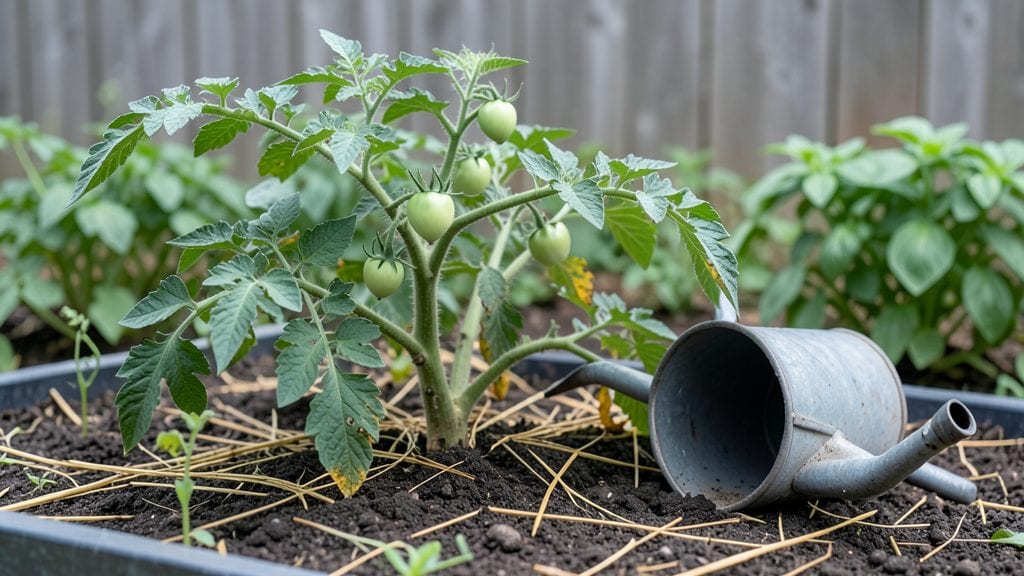
Watering your garden in summer 2-3 times a week keeps your 🌱 thriving without drowning the roots or wasting precious H₂O.
Summer’s scorching heat can turn your lush garden into a crispy disaster if you don’t time your watering just right—yet most gardeners either drown their plants or let them wilt from neglect. The secret? A soil-smart approach that adapts to your plants’ needs and your local climate.
Most gardeners guess their watering schedule, but the real trick is checking the soil first. Stick your finger an inch deep—if it’s dry, it’s time to water. If it’s damp, hold off. This simple test saves water and stops root rot before it starts.
In this guide, I’ll show you how to adjust your schedule by plant type, spot the signs of over- or under-watering, and water like a pro—no more wasted gallons or sad, wilted leaves.
Summer watering frequency by plant type: a soil check guide
Summer watering isn’t a one-size-fits-all task—your tomatoes and succulents have wildly different needs. The key is checking your soil moisture daily (yes, really!) to avoid both drought stress and root rot.
I’ve mastered this by using the finger-dip test and watching for soil color changes, which I’ll show you in a moment. Most gardeners overwater because they assume more is better, but deep, infrequent watering actually encourages stronger roots.
Start by grouping your plants into categories: vegetables, flowers, shrubs, and trees. Each needs a different watering rhythm. For example, leafy greens like spinach need consistent moisture, while drought-tolerant plants like lavender thrive on neglect.
Your local climate matters too—gardeners in Zone 9 might water daily, while Zone 5 gardeners can stretch it to every 3-4 days.
Here’s my foolproof method: Stick your finger 1-2 inches into the soil. If it feels dry, water deeply until moisture reaches 6 inches down. For potted plants, lift them—they’re dry if the soil weighs almost nothing.
Mulch helps retain moisture, but don’t skip the soil check. Even with mulch, succulents only need water when the soil is bone-dry, while tomatoes need moisture every 2-3 days in peak heat.
🌱
| Plant Type | Water Frequency (Summer) | Soil Check Depth | Signs of Overwatering | Best Time to Water |
|---|---|---|---|---|
| Vegetables (Tomatoes, Peppers, Lettuce) | Every 2-3 days (deep soak) | 1-2 inches (dry) | Yellow leaves, mold, wilting | Early morning (6-9 AM) |
| Flowers (Roses, Petunias, Marigolds) | Every 3-4 days (light soak) | 1 inch (dry) | Brown edges, drooping buds | Late evening (after 6 PM) |
| Shrubs (Bushes, Hydrangeas, Boxwoods) | Every 5-7 days (deep water) | 2-3 inches (dry) | Leaf curl, white fungus | Morning or dusk |
| Trees (Young Fruit, Maple, Oak) | Every 7-10 days (slow drip) | 3-4 inches (dry) | Cracked bark, wilting leaves | Early morning (slow release) |
| Succulents/Cacti (Aloe, Jade, Prickly Pear) | Every 10-14 days (bone-dry) | 2+ inches (completely dry) | Soft, mushy stems | Mid-morning (avoid evening) |
Let’s talk soil color cues—this is where most gardeners miss the mark. Dark, damp soil means you’ve overwatered; pale, dry soil means it’s time to hydrate. For sandy soil, water more frequently but less deeply, while clay soil holds moisture longer, so you can space out waterings.
I test my soil’s moisture retention by digging a small hole—if water pools, you’re overdoing it. If it drains instantly, your plants need a drink.
Don’t forget about mulch—it’s your secret weapon against evaporation. A 2-3 inch layer of straw or wood chips keeps soil cool and moist, reducing your watering needs by 30-50%. I always mulch after watering to lock in moisture.
For container gardens, use self-watering pots or add hydrogel beads to extend time between waterings. Even in extreme heat, herbs like rosemary and lavender can survive on weekly waterings if potted correctly.
Adjust your schedule based on weather forecasts. If rain is coming, skip watering for 24-48 hours—plants hate soggy roots. I set a
5 Early warning signs your garden is overwatered or underwatered
Your plants are silently screaming for help—but are you listening? Overwatering and underwatering both cause subtle (and not-so-subtle) symptoms that can cripple your garden if ignored. The key is learning to read your plants’ signals before they throw in the towel.
For example, yellowing leaves might mean too much water, while crispy edges scream thirst. Let’s decode these early warning signs so you can adjust your watering schedule before it’s too late.
I’ve seen gardens go from thriving to tragic in a week because of watering mistakes. The good news? Most of these issues are reversible with a simple tweak to your routine. Start by checking the soil moisture with your finger—if the top inch feels damp, hold off on watering.
If it’s bone-dry, it’s time to hydrate. The root zone is where the action happens, so focus there first.
How Often to Water Garden in Summer: Quick Fixes
✅ DO THIS
- Water deeply (1-2 inches) early morning (before 10 AM)
- Use mulch (2-3 inches) to retain moisture
- Check soil moisture with finger (top 1-2 inches)
- Adjust for plant type (succulents need less, tomatoes more)
- Use drip irrigation for consistent, slow watering
❌ AVOID THIS
- Watering at night (encourages fungal growth)
- Letting soil stay soggy for more than 24 hours
- Ignoring wilting leaves until they’re crispy
- Using sprinklers that waste water on leaves
- Skipping checks during heatwaves (daily watering may be needed)
Pro Tip: Group plants with similar water needs together to simplify your routine!
First up: yellowing leaves. If the lower leaves turn yellow but the veins stay green, you’re likely overwatering. This is a classic sign of root rot, where roots suffocate in soggy soil.
Pull back on watering and let the soil dry out between sessions. If the yellowing spreads to new growth, it could also signal nutrient deficiency—time to test your soil and amend with compost.
On the flip side, brown, crispy leaf edges are a cry for water. Unlike wilting (which can happen for other reasons), these edges stay stiff and dry.
If you see this, water deeply right away and monitor the plant’s recovery. Drought-stressed plants often show this symptom first, so act fast—especially in full sun areas where evaporation is brutal.
Don’t overlook mushy stems or black spots on leaves—these are red flags for fungal infections, often caused by overwatering. Fungi thrive in damp conditions, so improve air circulation by pruning crowded foliage and watering at the base (not overhead).
If you spot mold or mildew, reduce watering and consider a copper fungicide for stubborn cases.
Another sneaky sign? Soil crusting on the surface. When water evaporates too quickly, it leaves behind a hard, dry layer that blocks moisture and air from reaching roots. Break it up gently with a fork and add organic mulch to protect the soil.
This is especially common in sandy soils, which drain too fast and leave roots high and dry.
Finally, pay attention to growth patterns. If your plants are growing slowly or producing small, weak leaves, they might be underwatered. Conversely, lush but leggy growth with few flowers or fruits often means too much water.
Adjust your schedule based on these clues, and don’t forget that container plants dry out faster than in-ground ones—check them daily in summer heat.