
Pests
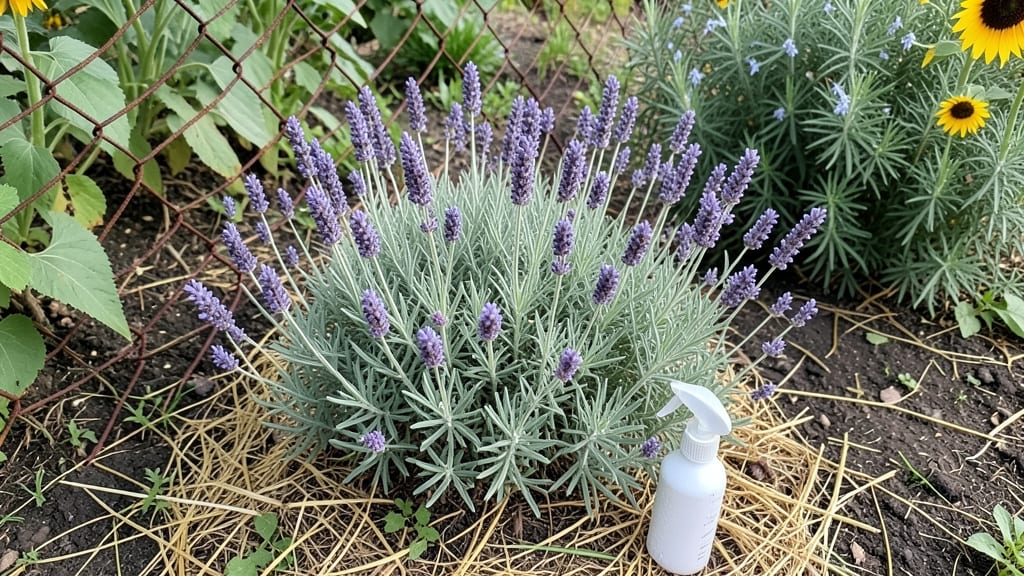
Learn how to deter animals from garden naturally with this citrus and spice spray—it saved my first garden from rabbits without harming a single critter. 🌱 The key is combining ingredients they hate with a spray bottle. that’s easy to reapply after rain.
I’ve tried everything from chili peppers to commercial repellents, but this mix works for rabbits, deer, and even squirrels without the harsh chemicals.
You’ll need just five simple ingredients—all from your kitchen or grocery store—and a spray bottle. Mixing takes about 10 minutes, and the spray lasts 2-3 weeks before needing a refresh.
The smell is strong enough to deter animals but fades enough that you won’t mind walking through your garden. I’ve used this spray for three seasons now, and my tomatoes, lettuce, and flowers stay untouched.
What you’ll end up with is a garden where animals avoid your plants entirely, leaving your veggies and blooms lush and undamaged. The spray is safe for pets and kids once dry, and it breaks down naturally in the soil.
Plus, you’ll save money compared to buying commercial repellents every few weeks. Ready to reclaim your garden?
Works for backyard gardens, raised beds, and container setups, and you can adjust the spice level based on how aggressive your local critters are. Here’s exactly how to make it—and when to reapply for the best results.
Why it happens
Your garden isn’t just a patch of soil and plants—it’s a smorgasbord, a cozy hideout, or a nursery for wildlife. Understanding why animals like deer, rabbits, squirrels, and even insects are drawn to your garden is the first step in crafting effective deterrents.
Let’s break down the science (and instinct) behind their behavior.
###
🍽️ Food: The #1 Magnet
Animals invade gardens primarily because they’re hungry, and your plants are an all-you-can-eat buffet. Here’s what makes your garden irresistible:
- Nutrient-rich plants: Vegetables like lettuce, carrots, and tomatoes are packed with water, sugars, and proteins—easy, high-calorie meals for herbivores. Example: A rabbit can consume up to 5% of its body weight daily in fresh greens, making your kale or spinach a five-star restaurant.
- Fruits and seeds: Birds and squirrels target berries, apples, and even seed heads (like sunflowers) because they’re energy-dense and portable. A single apple core can feed a family of squirrels for days.
- Soft, tender growth: Newly sprouted seedlings or young plants are easier to digest than woody stems, making them a prime target for insects (like aphids) and mammals (like deer).
- Attracting insects: Overripe fruit or rotting vegetation ferments, releasing ethanol and volatile organic compounds (VOCs) that lure fruit flies, wasps, and even raccoons. Think of it as a natural cocktail party for pests.
💡 Pro Tip: Animals also associate consistent food sources with safety. If they find your garden easy pickings without consequences, they’ll return—like a fast-food joint with no health inspector.
###
🏠 Shelter: Gardens as Safe Havens
Beyond food, gardens offer protection from predators, weather, and humans. Here’s how your landscape becomes a wildlife sanctuary:
- Dense foliage and shrubs: Bushes like hydrangeas or holly provide cover from hawks, owls, and domestic dogs. Animals use the layered canopy to move undetected—like a natural stealth mode.
- Ground cover and mulch: Thick mulch or leaf litter creates nesting sites for rodents and insects. For example, voles thrive in moist, shaded mulch because it mimics their natural underground tunnels.
- Water sources: Birdbaths, dripping hoses, or even dew-collecting leaves attract animals for hydration. Fun fact: Deer can detect water sources up to a mile away using their keen sense of smell.
- Undisturbed corners: Overgrown areas or piles of debris (like wood chips) become hibernation spots for snakes or daytime hideouts for raccoons. These animals are nocturnal by nature, so your garden’s quiet corners are prime real estate.
🌡️ Science Note: Animals also seek microclimates—areas where temperature and humidity are stable. A shady, mulch-covered bed might be 10°F cooler than the surrounding area, making it ideal for heat-sensitive creatures like slugs.
###
👶 Reproduction: Gardens as Nurseries
For some animals, your garden isn’t just a meal—it’s a childcare center. Here’s how plants become breeding grounds:
- Host plants for pests: Certain plants are essential for insect life cycles. For example:
- Cabbage families (kale, broccoli) attract cabbage moths, whose larvae (caterpillars) devour your crops.
- Tomatoes and peppers are favored by hornworms, which can strip a plant bare in 24 hours.
- Soft soil for burrowing: Rabbits and groundhogs dig warren systems in loose, well-drained soil—especially near clover or grassy patches, which they use to line their nests.
- Standing water for mosquitoes: Even a thimble-sized puddle can become a breeding site for 100+ mosquito larvae in a week. These pests then target your plants (and you!) for blood meals.
✨ Evolutionary Insight: Animals have millennia of instinct driving their behavior. A deer doesn’t "plan" to eat your roses—it’s hardwired to seek high-nutrient, low-risk food sources, and your garden fits the bill.
How to solve it
Tired of critters turning your garden into their personal buffet? 🐿️🐾 The good news is that most animal visitors can be deterred with simple, humane strategies—without resorting to harsh chemicals or traps. Below, we’ve mapped out targeted solutions based on the most common culprits and their favorite garden snacks.
Think of these as your defense playbook, tailored to keep your plants safe while keeping wildlife happy (and far away).
🐇 Rabbits & Squirrels: The Leafy Leaf Lovers
These fluffy foragers have a taste for tender greens, bulbs, and even young tree bark. The key? Make your garden unappealing while protecting vulnerable plants.
- 🔥 Plant Smart: Opt for rabbit-resistant plants like lavender, rosemary, marigolds, or snapdragons. These herbs and flowers have strong scents or fuzzy textures that deter nibbling.
- 🍳 DIY Spray Barrier: Mix 1 cup apple cider vinegar + 1 tsp cayenne pepper + 1 tsp garlic powder + 1 gallon water. Spray around plant bases (reapply after rain). The smell is harmless to humans but repulsive to rabbits.
- 👨🍳 Physical Guards: Wrap tree trunks with hardware cloth or use plastic tree guards to protect young saplings. For raised beds, install chicken wire around the perimeter, buried 6 inches deep to block burrowing.
- ⏰ Scare Tactics: Motion-activated sprinklers (like ScareCrow) or reflective tape fluttering in the wind can startle them into leaving. Move them occasionally so they don’t get used to the "threat."
💡 Pro Tip: Avoid mowing grass too short near garden beds—taller grass creates a natural barrier and hides plants from rabbit radar.
🐾 Deer & Raccoons: The Heavy Hitters
These larger pests can demolish entire gardens in a night. Since they’re drawn by scent and movement, your strategy should focus on disrupting their senses and access.
- 🌡️ Strong Scents: Soak cotton balls in predator urine (coyote or fox) and place them around the garden’s edge. Alternatively, use commercial deer repellents with rotten-egg or putrescent egg smells (like Deer Out). Reapply every 2–4 weeks.
- 🎯 Fencing Up: Deer need an 8-foot-tall fence to stay out, but raccoons can climb over 6 feet. Combine a 6-foot fence with outward-facing spikes or prickly branches at the top to deter climbers.
- 🔪 Remove the Buffet: Pick ripe fruit before it falls (deer love fallen apples and berries). For veggies, harvest early in the morning when animals are less active.
- ✨ Light & Sound: Install bright LED lights on timers or use wind chimes/solar-powered alarms near entry points. Deer and raccoons dislike sudden movement and noise.
💡 Pro Tip: Plant deer-resistant shrubs like boxwood, barberry, or Russian olive as a living barrier around your garden’s perimeter.
🐔 Birds & Rodents: The Stealth Snackers
Birds peck at seeds and fruits, while rodents (like voles and mice) tunnel underground to gnaw roots. These pests are sneaky—so you’ll need a multi-layered approach.
- 🥗 Scatter Distractions: Set up a separate bird feeder or seed station away from your garden to lure them elsewhere. For rodents, spread grapefruit peel or crushed red pepper around plant bases.
- 🍎 Physical Barriers: Cover seed beds with floating row covers or wire mesh (1/4-inch holes for mice, 1/2-inch for voles). For bulbs, plant them in cages made from chicken wire.
- 🔪 Trap & Release (Humane Style): Use live traps for mice or voles, then relocate them at least 2 miles away (check local laws first!). For birds, reflective tape or old CDs hung from strings can startle them.
- 🌿 Natural Predators: Encourage owls or cats (if you’re okay with them) by installing owl boxes or providing shelter for beneficial predators like snakes or toads.
💡 Pro Tip: Avoid leaving pet food or fallen fruit in your yard—it’s an open invitation for rodents and birds to explore your garden.
🐢 General Prevention: Long-Term Strategies
Once you’ve addressed the immediate threats, lock in your defenses with these ongoing habits:
- 🌱 Garden Hygiene: Keep your yard tidy—remove fallen leaves, weeds, and debris where animals hide. Store compost bins securely (raccoons love digging through them!).
- 🌿 Rotate Repellents: Animals get used to smells and sights. Switch between sprays, barriers, and scare tactics every few weeks to stay one step ahead.
- 🌙 Night Patrols: Do a quick evening walk to check for signs of visitors (chewed leaves, footprints, or droppings). Early detection means faster action.
- 🎯 Community Efforts: Team up with neighbors to create a larger "no-go zone" for animals. A united front makes your garden less appealing.
Remember: Patience is key. It may take a few weeks for animals to learn your garden is off-limits—but once they do, you’ll reclaim your green space without harming a single creature. 🌱🐾
Frequently asked questions
How often should I reapply the citrus and spice spray?
The spray typically lasts 2-3 weeks before needing a refresh, especially after rain. After heavy rainfall or if you notice critters returning, simply mix a fresh batch. Consistency is key—animals learn to avoid your garden when they consistently find it unpleasant.
Will this spray harm my plants or soil?
No, this recipe is completely safe for plants and soil! The ingredients are natural and break down harmlessly. Just avoid spraying directly on delicate flowers or tender leaves—focus on the base of plants and garden edges. Your garden will thrive while keeping critters away.
Can I use this spray for container gardens?
The citrus and spice spray works perfectly for container gardens. Lightly mist the soil surface and edges of pots, being careful not to oversaturate. This method keeps potted plants protected from squirrels, rabbits, and even curious birds.
What if animals still visit my garden after using the spray?
If critters persist, try combining this spray with physical barriers like chicken wire or reflective tape. Rotate your deterrent methods every few weeks—animals adapt quickly! For stubborn pests like deer, consider adding predator urine-soaked cotton balls to your perimeter. Patience is key!
Is this spray safe for pets and children?
Once the spray dries completely, it’s safe for pets and kids. However, avoid letting them play in freshly sprayed areas until the scent fades (usually within a few hours). Always apply during off-hours when your family isn't outdoors. Your green space will stay critter-free while remaining family-friendly!