
Size
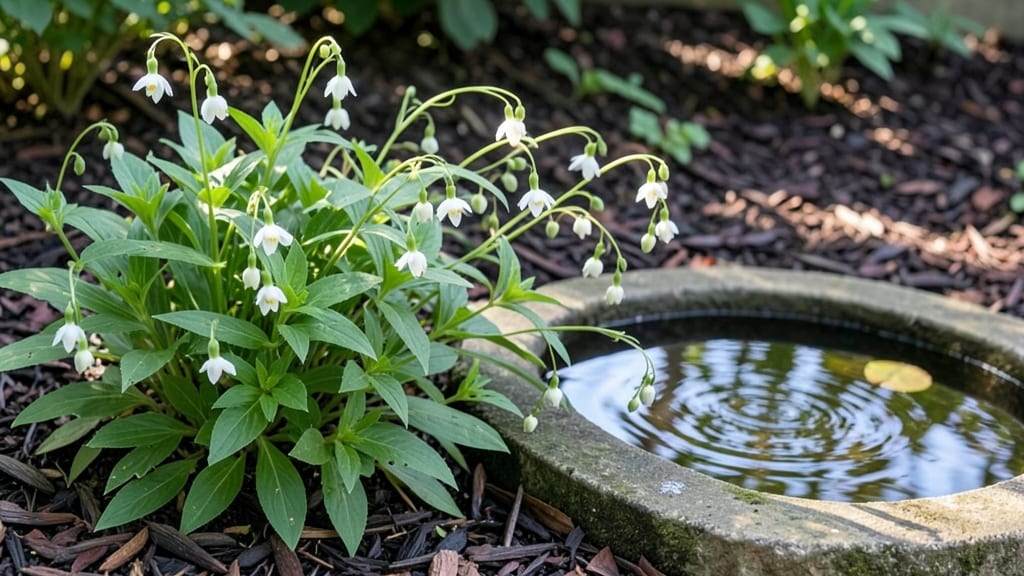
Growing fireflies in your garden starts with recreating their natural habitat—moist soil, dappled shade, and quiet corners where they can thrive without disturbance. 🌿 I’ve watched my backyard transform from a quiet patch of grass to a nighttime spectacle after adding just a few key elements: a small water source, native plants, and a few low-light spots where fireflies can hide during the day.
The secret isn’t complicated—fireflies love damp, organic-rich soil and places where they can find shelter. A shallow dish of water with pebbles for landing spots, mixed with native wildflowers and grasses, does the trick.
They’ll arrive naturally once you set the stage, and within weeks, you’ll see their flickering lights on warm summer evenings.
You’ll notice fewer pests too—their larvae are natural predators of slugs, snails, and other garden nuisances. Plus, the pollination they provide helps your plants grow stronger. The best part? No chemicals, no fuss—just a garden that glows with life after dark.
Works in any yard, from small urban plots to sprawling rural spaces. The key is patience—fireflies take time to discover their new home, but once they do, they’ll keep coming back season after season.
📚 In This Guide
- What you need
- Instructions
- Tips and common mistakes
- Wrapping up and next steps
What you need
- ● Garden Space: A shady to partially sunny area (at least 10x10 feet) with moist, well-drained soil. Avoid areas with heavy foot traffic.
- ● Native Plants: Fireflies love these host plants (buy or grow from seed): 1–3 Common Milkweed (Asclepias syriaca)
- ● 1–2 Evening Primrose (Oenothera biennis)
- ● 1–3 Clover (Trifolium spp.) – for ground cover
- ● 1–2 Dandelions (Taraxacum officinale) – surprisingly, fireflies adore them!
- ● Water Source: A shallow birdbath or small pond (6–12 inches deep) with rocks or pebbles for safe entry/exit.
- ● Moss or aquatic plants (like Water Hyacinth) to attract insects (firefly food!).
- ○ Soil Amendments (Optional but Helpful): Compost (1–2 gallons) to enrich soil and retain moisture.
- ● Crushed limestone (1 lb) if your soil is acidic (fireflies prefer pH 6.0–7.5).
- ● Garden Tools: 1 Garden trowel (for planting)
- ● 1 Pruners (to trim invasive plants)
- ● 1 Rake (for leveling soil)
- ○ Safety Gear (Optional): 1 pair gardening gloves (to avoid irritants like poison ivy)
- ● 1 hat or sunscreen (if working in direct sun)
- ● 🌡️ Timing: Plant host plants in early spring (March–April) so they’re established by summer (when fireflies are most active).
- ● ✨ Nighttime Check: Add a small LED nightlight (red or amber) near the water source—fireflies are drawn to soft light!
- ● 🎯 Avoid Pesticides: Fireflies are beneficial insects! Skip chemical sprays; opt for neem oil or soapy water for pests.
Step-by-Step guide to attracting fireflies naturally in your garden
Turn your garden into a twinkling nighttime haven with these science-backed techniques.
🌿 Step 1: Create a Firefly-Friendly Habitat
Fireflies thrive in gardens with moist, shady edges and undisturbed soil—start by identifying a quiet corner near water sources or dense vegetation. Avoid chemical pesticides entirely, as even residual traces repel these delicate insects. I like to leave a 3-foot-wide strip of unmulched soil near garden beds, where fireflies can burrow and lay eggs.
Add native plants like milkweed, clover, or evening primrose—their flowers provide nectar for adult fireflies while their leaves offer shelter. These plants also attract their prey (like slugs and soft-bodied insects), which firefly larvae feast on. If your garden lacks natural moisture, install a small shallow water feature (like a birdbath with pebbles) to create a humid microclimate they prefer.
☀️ Step 2: Optimize Lighting and Timing
Fireflies are crepuscular—most active at dusk and dawn—so your garden’s lighting schedule matters. Replace any bright white or blue LED lights near outdoor seating with warm, low-wattage bulbs (2700K or lower) or solar-powered path lights that dim after dark. These reduce light pollution, which disrupts firefly mating signals.
Timing is critical: May through July is peak season in most regions, but fireflies emerge earlier in warmer climates. I’ve noticed they’re most active on warm, humid evenings after a light rain—so water your garden lightly in late afternoon to boost their activity. Avoid mowing or disturbing soil after sunset, as vibrations can startle them away.
💧 Step 3: Provide Water and Shelter
Fireflies need shallow, still water for drinking and egg-laying. Place a wide, flat dish (like a saucer) filled with 1 inch of water and smooth stones for perching. I add a few half-submerged leaves to create natural edges where fireflies can rest. Change the water every 3-4 days to prevent mosquito breeding, which competes with firefly larvae.
During the day, fireflies hide in dense ground cover or under decaying logs/leaf litter. Leave a small pile of bark or mulch in a shady spot—this mimics their natural habitat. If your garden has bare soil, scatter dried leaves or pine needles to create micro-habitats. Fireflies are sensitive to disturbances, so avoid raking these areas after dark.
⏰ Step 4: Monitor and Encourage Year-Round
Firefly populations take 2-3 years to establish, so patience is key. I recommend keeping a simple observation journal: note when you first see them, their flight patterns, and which plants they favor. If you see fewer than 5 fireflies per evening by July, add more host plants (like dandelions or violets) or reduce garden traffic after sunset.
In fall, avoid tilling the soil where you’ve seen fireflies—their larvae overwinter underground. Instead, apply a thin layer of compost to enrich the soil naturally. By spring, these larvae will emerge as adults, continuing the cycle. Real talk: if your garden isn’t attracting them yet, expand the shady areas—fireflies prefer 60-70% shade with pockets of sunlight for warming.
🌱 Step 5: Expand with Community Efforts
Fireflies are highly social and travel between gardens. Partner with neighbors to create a corridor of firefly-friendly spaces—even a 100-foot gap can break their migration. I’ve seen dramatic increases in firefly numbers after coordinating with nearby gardens to reduce nighttime lighting and plant native species in clusters. Check local conservation groups for native plant swaps or firefly monitoring programs—many offer free resources.
If your garden still feels too dry, install a small rain garden (a shallow depression planted with moisture-loving natives) near where you’ve spotted fireflies. These act as magnets during dry spells. Remember: chemical-free zones are non-negotiable—even fertilizers with synthetic nitrogen can harm larvae. Stick to compost tea or worm castings for soil health.
Tips & tricks for creating a firefly haven in your garden
Transforming your garden into a firefly magnet takes more than just good intentions—it requires strategic planning and attention to detail. These science-backed tips will help you maximize your efforts and create the perfect conditions for these enchanting insects.
Habitat Precision: In Step 1, when creating that 3-foot-wide strip of unmulched soil, focus on areas with partial shade—fireflies prefer dappled sunlight rather than deep shade. I've found that positioning this strip along the north or east side of garden beds works best, as it receives morning sun but stays cooler in the afternoon. The key is mimicking their natural woodland edges where they thrive.
Lighting Strategy: For Step 2, if you're unsure about the exact wattage for your warm bulbs, aim for 40-60 watts max for outdoor lighting near seating areas. I recommend testing with a 2700K bulb first—if you still see fireflies avoiding the area, reduce the wattage further. Remember, even "warm" LED lights can be too bright; traditional incandescent bulbs often work better for creating that natural twilight ambiance.
Water Feature Design: When setting up your shallow water feature in Step 3, consider adding submerged aquatic plants like water hyacinth or duckweed—these provide additional habitat for firefly larvae while keeping the water cleaner. The 1-inch depth is perfect, but add a few floating lily pads to create more perching spots. I've noticed fireflies are particularly drawn to water features with gentle ripples from a small solar-powered fountain, which mimics natural movement.
Seasonal Adaptation: In Step 4, if you're in a region with cooler springs, don't be discouraged if fireflies don't appear until June. I've seen dramatic turnouts in late June when temperatures consistently reach the 70s°F at night. For early bloomers, consider planting early-season natives like creeping phlox or wild bergamot to provide nectar when other flowers haven't emerged yet.
Pro Tips for Get Firefly In Grow A Garden
- Transforming your garden into a firefly magnet takes more than just good intentions—it requires strategic planning and attention to detail.
- Habitat Precision: In Step 1, when creating that 3-foot-wide strip of unmulched soil, focus on areas with partial shade—fireflies prefer dappled sunlight rather than deep shade.
- Lighting Strategy: For Step 2, if you're unsure about the exact wattage for your warm bulbs, aim for 40-60 watts max for outdoor lighting near seating areas.
Frequently asked questions
about attracting fireflies to your garden—because even the smallest glow deserves a spotlight!Why aren’t fireflies visiting my garden yet?
Patience is key! Fireflies need time to discover your space—typically 2–4 weeks after implementing their favorite habitats (like ponds, mulch, or dense foliage). Avoid pesticides, as they repel these delicate insects. Try adding a shallow water source or night-blooming flowers like evening primrose to speed things up.
What’s the best time of year to attract fireflies?
Timing matters! Fireflies are most active during late spring to early summer (May–July in most regions). Start prepping your garden in early spring—plant host plants like milkweed or clover, and create moist, shaded spots. If you live in warmer climates, they may appear earlier or later.
Can I still attract fireflies if I don’t have a pond?
Fireflies thrive near any water source, even a small dish of water with pebbles (to prevent drowning). Focus on moist soil, dense ground cover (like ferns or hostas), and night-blooming plants. A damp, shaded corner of your garden works wonders too!
Are there firefly alternatives if they don’t show up?
Yes! While fireflies are magical, other nighttime pollinators like glowworms (larvae of fireflies) or bioluminescent fungi (in damp forests) can add a subtle glow. For instant light, try LED solar-powered garden lights shaped like fireflies—eco-friendly and charming!
What should I do if fireflies stop coming after they arrive?
Check for disruptions like new pesticides, bright outdoor lights, or habitat changes (e.g., drying ponds). Fireflies prefer darkness, so use warm, dim lighting (like string lights) instead. If the issue persists, consider adding more native plants or a small water feature to restore their favorite spots.
Wrapping up and next steps
Bringing fireflies to your garden is all about creating a safe, inviting haven for these magical creatures—no chemicals needed! 🌟 By focusing on moisture-rich soil, pesticide-free spaces, and natural light sources, you’re not just attracting fireflies; you’re nurturing a thriving ecosystem.
The glow of their lanterns will soon turn your evenings into a twilight spectacle, reminding you that even small changes can spark big wonders.
Ready to see your garden light up? Start small—plant a few native flowers or set up a water feature this weekend. Every little step counts, and soon, you’ll be the neighborhood’s glow-in-the-dark hero! 🌿✨