
Watering
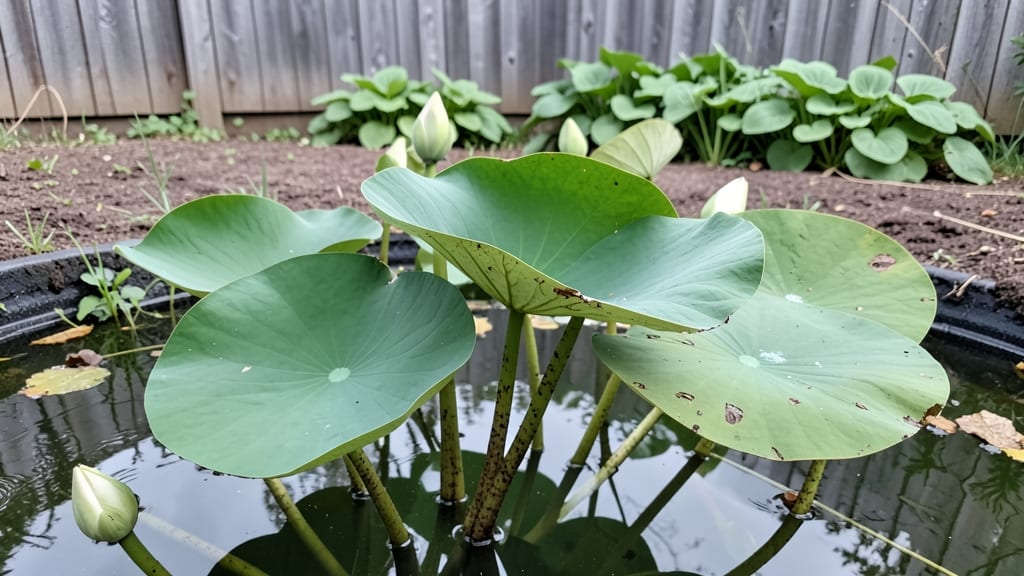
Longwood Gardens' lily pads turn any pond into a floating masterpiece. ✨ I'll never forget the first time I saw their lush green carpets rippling in the fountain garden—it felt like stepping into a secret world.
These aren't just pretty faces; they create shade for fish, shelter for frogs, and that signature "water garden" look that makes neighbors stop and stare.
The magic starts with the right variety—hardy yellow flag irises or delicate water lilies pair perfectly with lily pads. You'll need a pond at least 18 inches deep (some pads float, others root), plus a few weeks to watch them spread naturally.
The best part? They multiply on their own, creating that dreamy, overgrown look without extra work.
Imagine sipping tea by a pond where sunlight filters through emerald pads, or where dragonflies rest between dips. The shade they provide keeps water cooler, reduces algae, and makes your feature feel like a natural ecosystem.
You'll end up with a space that's both functional and breathtakingly beautiful—just like Longwood's designs.
Works for formal fountains, wild meadow ponds, or even small koi ponds. Here's how to make them the star of your waterscape without turning into a maintenance nightmare.
📚 In This Guide
- What you need
- Instructions
- Tips and common mistakes
- Wrapping up and next steps
What you need
- ● Lily pads: 10–20 pads (depending on pond size; opt for Nymphaea or Nuphar varieties for durability).
- ● Floating pond plants: 5–10 water hyacinths or water lettuce (for extra texture and wildlife appeal).
- ● Pond liner or pre-formed pond kit: Waterproof material to line your water feature (check local regulations for size limits).
- ● Gravel or sand: 2–3 bags (for drainage and anchoring plants).
- ● Floating plant trays or mesh pots: 5–10 trays (to secure lily pads and prevent them from drifting).
- ● Substrate: 1–2 bags of aquatic plant soil or pond mud (for root health).
- ● Water plants: 3–5 hardy aquatic plants (e.g., water lilies, water crowfoot, or pickerelweed).
- ● Garden trowel or pond plant spade: For gentle transplanting and soil placement.
- ● Measuring tape: To ensure proper spacing between plants (aim for 1–2 feet apart).
- ● Gloves: Waterproof gloves to protect your hands while handling plants and soil.
- ○ Pond net or skimmer: Optional but helpful for debris removal.
- ● Water testing kit: To monitor pH (ideal range: 6.0–7.5) and nutrient levels.
- ● Decorative stones or pebbles: For a polished, natural look around the pond’s edge.
- ● Solar-powered pond fountain: Adds movement and aeration to your water feature.
- ● LED pond lights: For a magical evening glow (solar or battery-operated).
- ● Wildlife-friendly additions: Small floating logs or rocks for insects and amphibians.
- ● Pond dye (natural shades): To enhance color and reduce algae growth.
Step-by-Step guide to creating a floating lily pad garden
Here's how to transform any pond into a serene, thriving water garden inspired by Longwood's iconic displays.
🪴 Step 1: Prepare Your Pond Surface
Start by ensuring your pond is clean and free of debris. Remove any leaves, algae, or fish waste that could interfere with lily pad growth. Test the water quality—lily pads thrive in 60-75°F water with a pH between 6.5-7.5. If your pond is new or lacks nutrients, add a water-soluble plant fertilizer designed for aquatic environments.
For best results, choose a location with at least 18 inches of water depth. Shallow areas may dry out in summer, while deeper spots provide stability for the pads. I like to use a long-handled net to skim the surface before planting—it makes the process cleaner and more efficient.
🌱 Step 2: Select and Plant Hardy Lily Pad Varieties
Choose lily pads that match your climate and pond size. For full sun areas, try yellow water lilies (Nuphar lutea) or white water lilies (Nymphaea odorata). These varieties spread quickly and create the lush coverage seen at Longwood. Plant each rhizome just below the water's surface, about 1-2 inches deep.
Space plants 18-24 inches apart to allow room for growth. Use a small shovel or your hands to create a shallow hole in the pond's bottom sediment. Gently place the rhizome in the hole and cover it lightly with soil—don't bury it too deep, or it may rot. I always plant a few extra rhizomes to ensure full coverage, especially in larger ponds.
☀️ Step 3: Maintain Water Quality and Light Conditions
Lily pads need 6-8 hours of direct sunlight daily to thrive. If your pond is in partial shade, opt for shade-tolerant varieties like blue water lilies (Nymphaea mexicana). Monitor water clarity—cloudy water can signal excess nutrients or algae growth, which may harm the pads.
Top off the pond with fresh water weekly to maintain proper levels, especially during hot weather. I use a garden hose with a gentle spray nozzle to avoid disturbing the plants. In late fall, when pads begin to yellow, trim them back to 1-2 inches above the rhizome to encourage healthy regrowth next season.
💧 Step 4: Fertilize and Prune for Long-Term Growth
Feed your lily pads with a slow-release aquatic fertilizer in early spring and again in midsummer. Follow the package instructions for dosage—over-fertilizing can lead to excessive algae growth. I like to use a floating fertilizer tablet that dissolves slowly over 3-4 months.
Prune spent flowers and yellowing pads regularly to keep the garden looking tidy. Use clean, sharp pruners to cut stems at the base. In larger ponds, you may need to thin out crowded pads every 2-3 years to prevent overgrowth. This also helps maintain a balanced ecosystem by reducing competition for nutrients.
Tips & tricks for perfect floating lily pad Gardens
Creating a stunning lily pad garden takes patience and attention to detail—here's how to ensure your water garden thrives like Longwood's iconic displays.
Water Temperature Matters: The ideal 60-75°F temperature range is crucial for healthy growth. If your pond water runs cooler than 60°F, consider using a small solar-powered water heater or placing your pond in a sunnier location. I've found that adding a floating solar mat can help maintain consistent temperatures during cooler months.
Planting Depth Technique: When planting rhizomes just 1-2 inches below the surface in Step 2, use your finger to gauge depth—this prevents over-burial that can cause rot. I like to mark the planting depth with a small stick before lowering the rhizome, especially in murky water where visibility is poor.
Sunlight Strategy: The required 6-8 hours of direct sunlight is non-negotiable for vibrant growth. If your pond receives less sunlight, supplement with a floating solar-powered light that mimics natural light cycles. For partial shade ponds, blue water lilies are your best bet—they tolerate lower light conditions better than other varieties.
Fertilizer Timing: The 3-4 month slow-release tablets mentioned in Step 4 should be placed in early spring when new growth begins. I recommend splitting the recommended dose into two tablets rather than one to prevent nutrient overload. Always place tablets in areas with good water circulation to ensure even distribution of nutrients.
Pro Tips for Longwood Gardens Lily Pads
- Creating a stunning lily pad garden takes patience and attention to detail—here's how to ensure your water garden thrives like Longwood's iconic displays.
- Water Temperature Matters: The ideal 60-75°F temperature range is crucial for healthy growth.
- Planting Depth Technique: When planting rhizomes just 1-2 inches below the surface in Step 2, use your finger to gauge depth—this prevents over-burial that can cause rot.
Frequently asked questions
Got questions about creating your own Longwood Gardens-inspired lily pad oasis? Here are some common ones—and their answers—to help you dive in with confidence!
How do I choose the right lily pads for my pond?
For a Longwood Gardens-style look, opt for hardy water lilies like Nuphar lutea (yellow pond lily) or Nymphaea odorata (fragrant white lily). Size matters: smaller ponds (under 100 sq. ft.) need dwarf varieties, while larger water features can handle bigger pads. Check your pond’s depth—most lilies thrive in 12–24 inches of water.
When is the best time to plant lily pads?
Spring is ideal! Plant bare-root lilies as soon as the ice thaws (March–April in most climates) or container-grown plants in early May. Avoid late summer—new roots won’t establish before winter. Pro tip: Pre-soak bare-root plants for 24 hours to kickstart growth!
Do lily pads need special water care?
Lily pads are low-maintenance but love clean, still water. Avoid stagnant ponds (use a small fountain or aerator) and limit fish to 1–2 per 10 sq. ft. to prevent overcrowding. Fertilize sparingly in spring with aquatic plant tabs—overfeeding = algae blooms! Test water pH (6.0–7.5) annually for happy lilies.
What if my lily pads aren’t blooming?
Blooms need sunlight (6+ hours daily) and patience—some varieties take 2–3 years to flower! If pads are sparse, divide mature plants in early spring. Yellowing leaves? It’s normal in fall, but algae or pests (like aphids) could be culprits. Spray with neem oil if needed.
Can I use lily pads in non-pond water features?
Floating trays or lightweight containers (like coconut husk baskets) let you add lilies to fountains, bog gardens, or even large vases. Just ensure the water depth matches the plant’s needs. For a Longwood vibe, pair them with aquatic grasses or lotus for texture contrast.
| Quick Troubleshooting Guide |
|---|
| Problem: Pads floating too high |
| Fix: Trim roots or add small rocks to weights. |
| Problem: Brown spots on leaves |
| Fix: Check for fungal issues (reduce shade) or nutrient deficiency (fertilize lightly). |
Wrapping up and next steps
Transforming your pond or water feature with Longwood Gardens-inspired lily pads isn’t just about aesthetics—it’s about creating a thriving, serene ecosystem that delights the senses.
Whether you’re drawn to the classic beauty of Nymphaea or the bold charm of Victoria varieties, these floating gems bring life, texture, and a touch of magic to any aquatic space. 🌿
Ready to dive in? Start small—pick one or two lily pads to test the waters (literally!), then expand as your confidence (and pond!) grows. Grab your gloves, get planting, and watch your water garden bloom into a Longwood-worthy oasis!