
Size
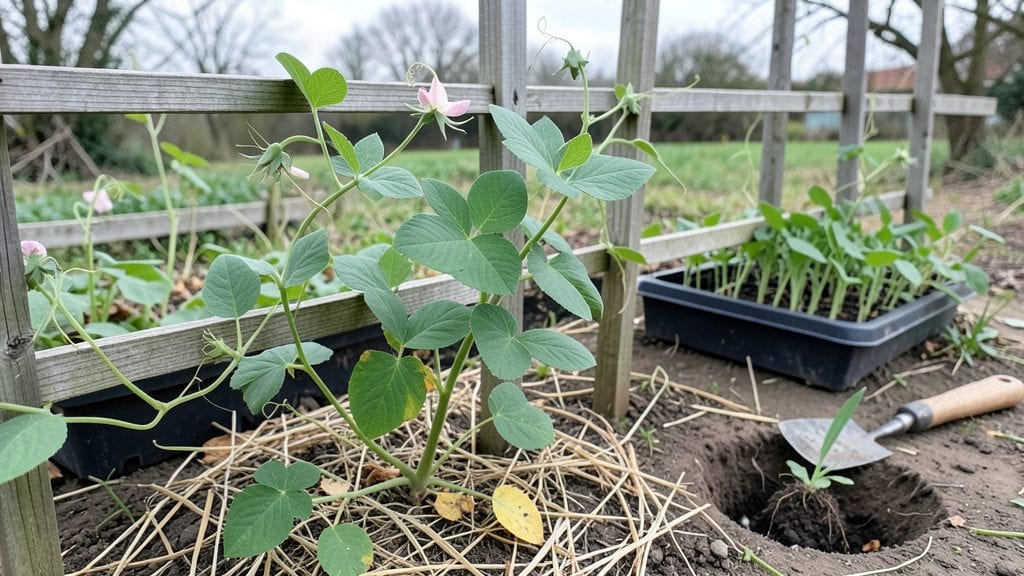
Learn how to get peach in grow a garden the easy way—just plant a sapling, and soon you’ll be harvesting buckets of ripe, sun-kissed fruit straight from your backyard. 🌿 I planted my first peach sapling five years ago, and now we’re talking about buckets of ripe fruit. instead of store-bought disappointments.
The key isn’t some secret gardening trick; it’s matching your tree’s needs to your climate and giving it the right care from day one.
Peaches crave full sun (at least 6-8 hours daily), well-draining soil, and protection from harsh winds. Start with a young tree from a nursery—growing from seed takes patience and often yields bitter fruit.
Choose a variety suited to your hardiness zone, like ‘Elberta’ for northern gardens or ‘Redhaven’ for warmer climates. Plant in early spring while the tree is still dormant, and mulch heavily to keep roots cool and moist.
By summer, you’ll be pruning to shape the tree and thin fruit for bigger, sweeter peaches. The first harvest might be small, but each year brings more branches, more blossoms, and—if you’re lucky—that first truly juicy bite that makes all the effort worth it.
The tree thrives with consistent watering (deep soaks, not daily sprinkles) and occasional fertilizer to keep it strong against pests and disease.
Even in small yards, a peach tree fits—just pick a dwarf variety if space is tight. The real magic happens in years three and four, when the tree matures and starts producing real harvests. Here’s how to set yours up for success from the very first shovel of dirt.
📚 In This Guide
- What you need
- Instructions
- Tips and common mistakes
- Wrapping up and next steps
What you need
- ● Peach Tree: Choose a dwarf variety (6-8 ft tall) for small gardens or a standard variety (15-25 ft) for full-size fruit. Quantity: 1-2 trees (for cross-pollination, pick two compatible varieties like 'Elberta' + 'Redhaven').
- ● Well-draining soil: Aim for a pH of 6.0-7.0. Amend clay soil with compost (5-10 gallons) or sand (3-5 lbs) if needed.
- ● Sunlight: A full-sun spot (6+ hours/day)—peaches are sun-worshippers!
- ● Watering supplies: Drip irrigation system (recommended) or a 5-gallon watering can
- ● Mulch (2-3 inches of wood chips or straw) to retain moisture
- ● Fertilizer: Balanced 10-10-10 fertilizer (1 lb per tree) at planting
- ● Slow-release citrus/peach-specific fertilizer (follow label rates) in spring
- ● Pruning tools: Bypass pruners (sharp, for clean cuts)
- ● Loppers (for thicker branches)
- ● Disinfectant (rubbing alcohol or 10% bleach solution)
- ● Tree guard: A 5-ft tall wire cage to protect young trees from critters.
- ● Frost cloth: For spring frost protection (1-2 sheets per tree).
- ● Soil moisture meter: To monitor water levels (especially in hot climates).
- ● Pollinator-friendly plants: Add bee balm or lavender nearby to boost fruit set!
Step-by-Step instructions for growing peaches in your garden
Peaches thrive with the right balance of sun, soil, and patience—here's how to grow sweet, juicy fruit at home.
🌱 Step 1: Choose the Right Variety and Planting Location
Peach trees need full sun (6-8 hours daily) and protection from strong winds. Pick a dwarf variety if space is limited—these stay under 10 feet tall and produce fruit in 2-3 years. I always plant mine against a south-facing wall or fence for extra warmth.
Your garden soil should drain well—peaches hate soggy roots. If your soil is heavy clay, amend it with 3-4 inches of compost mixed into the top 12 inches of soil. Test your spot: dig a hole, fill it with water, and if it drains within 6 hours, it’s ready for planting.
🪴 Step 2: Plant Bare-Root Trees Correctly
Plant your peach tree in early spring, just as buds begin to swell. Dig a hole twice as wide as the root ball but no deeper—peaches need to sit at the same depth they grew in the nursery. Gently loosen the roots if they’re circling and spread them outward in the hole.
Backfill with native soil mixed with a handful of balanced fertilizer (10-10-10), tamping lightly as you go. Water deeply to settle the soil, then add a 2-inch layer of mulch around the base (keep it 6 inches away from the trunk to prevent rot). This keeps roots cool and moist without smothering the tree.
☀️ Step 3: Provide Consistent Care for Fruit Development
Water deeply once a week during the first growing season, aiming for 1-2 inches of water per week. Let the top 2 inches of soil dry out between waterings—overwatering causes fruit to split. Once established, peach trees are drought-tolerant, but fruit quality suffers without regular moisture.
Fertilize in early spring with ½ cup of 10-10-10 fertilizer spread around the drip line (the edge of the tree’s canopy). Avoid high-nitrogen fertilizers—they promote leafy growth at the expense of fruit. Thin young trees to 4-6 main branches to encourage strong structure and better airflow.
✂️ Step 4: Prune and Protect for a Bountiful Harvest
Prune in late winter or early spring before buds swell, removing any dead, crossing, or diseased branches. I cut back 20-30% of the previous year’s growth to open the center of the tree and improve light penetration. Leave 3-4 buds per branch to encourage fruiting spurs.
Peach trees are prone to pests like aphids and borers. Spray with neem oil at the first sign of trouble, and cover young trees with frost cloth if your winters dip below 20°F. Watch for peach leaf curl—remove infected leaves immediately and apply copper fungicide in early spring to prevent it.
🍑 Step 5: Harvest at Peak Ripeness
Peaches ripen in late summer, typically 70-90 days after bloom. They’re ready when they’re soft to the touch and easily separate from the branch with a gentle twist. Never pick them green—they won’t ripen off the tree. Taste one to check for sweetness; the best fruit balances sugar and tartness.
Harvest in the morning when temperatures are cool to preserve flavor and texture. Store unripe peaches at room temperature until they soften, then refrigerate for up to 5 days. For the juiciest results, eat them within 24 hours of picking—fresh peaches taste nothing like store-bought!
Tips & tricks for perfect peach tree growth
Growing juicy peaches takes more than just planting a tree—these insider tips will help you avoid common pitfalls and maximize your harvest.
Sun Exposure Secret: The 6-8 hours of daily sun mentioned in Step 1 isn't just about sunlight—it's about consistent warmth. If your tree gets afternoon shade, consider planting it against a south-facing wall or fence to capture reflected heat. I've seen trees in shaded spots produce fruit that's only half as sweet, even with perfect care.
Soil Test Hack: Before amending your soil in Step 1, do a simple drainage test: dig a 12-inch hole, fill it with water, and time how long it takes to drain. If it takes longer than 6 hours, you definitely need that 3-4 inches of compost mixed into the top 12 inches. I've had to redo planting spots twice because I skipped this test—don't make my mistake!
Watering Wisdom: That once-a-week watering in Step 3 needs to be done right. Use a rain gauge or tuna can to measure exactly 1-2 inches of water per week. I've seen peach trees split right down the middle from too much water at once. Let that top 2 inches of soil dry out between waterings—your finger should feel dry 1-2 inches down when it's time to water again.
Frost Protection Strategy: When temperatures drop below 20°F, your young trees need that frost cloth protection mentioned in Step 4. But here's the thing: don't wrap it too tightly—leave some airflow. I learned this the hard way when my first tree got frostbite from being too snug. Also, remove the cloth as soon as temperatures rise above freezing to prevent overheating.
Pro Tips for Get Peach In Grow A Garden
- Growing juicy peaches takes more than just planting a tree—these insider tips will help you avoid common pitfalls and maximize your harvest.
- Sun Exposure Secret: The 6-8 hours of daily sun mentioned in Step 1 isn't just about sunlight—it's about consistent warmth.
- Soil Test Hack: Before amending your soil in Step 1, do a simple drainage test: dig a 12-inch hole, fill it with water, and time how long it takes to drain.
Frequently asked questions
Got questions about growing peaches in your garden? You’re not alone! Here are some of the most common queries—and straightforward answers—to help you cultivate sweet, juicy peaches like a pro.
When is the best time to plant peach trees?
Plant peach trees in early spring (after the last frost) or late fall (6–8 weeks before the ground freezes). Young trees need time to establish roots before summer heat or winter cold sets in. Avoid planting in summer—heat stress can stunt growth!
How long does it take for a peach tree to bear fruit?
Most peach trees take 3–5 years to produce fruit, depending on the variety and growing conditions. Dwarf varieties may fruit sooner (2–3 years), while standard trees take longer. Patience pays off—healthy trees reward you with bigger harvests over time!
Can peach trees survive cold winters?
Peach trees thrive in USDA Zones 5–9, but they need winter protection in colder climates. Young trees benefit from mulch (straw or wood chips) and wrapping (burlap or tree guards) to prevent frost damage. Prune in late winter to remove dead wood and encourage new growth.
What are the most common peach tree pests, and how do I prevent them?
Watch for peach tree borers (tiny holes in bark), aphids (sticky leaves), and peach leaf curl (puckered leaves). Prevent pests with neem oil, pruning infected branches, and keeping the area weed-free. Healthy trees resist pests better!
Can I grow peaches in containers?
Yes! Dwarf peach varieties (like ‘Bonanza’ or ‘Redhaven’) thrive in large containers (15+ gallons) with well-draining soil. Place them in full sun and fertilize regularly. Just ensure the pot has drainage holes—peaches hate soggy roots!
Wrapping up and next steps
Growing peaches in your garden is totally doable with the right sun, soil, and care! Whether you’re a first-timer or a seasoned gardener, these sun-loving secrets will help you cultivate sweet, juicy peaches.
Start small—pick a healthy tree or even a dwarf variety—and watch your efforts bloom into a delicious harvest.
Now that you’re armed with knowledge, take the next step! 🌱 Plant your peach tree this season and enjoy the rewarding journey of growing your own fruit. Happy gardening—your taste buds (and neighbors!) will thank you.