
Size
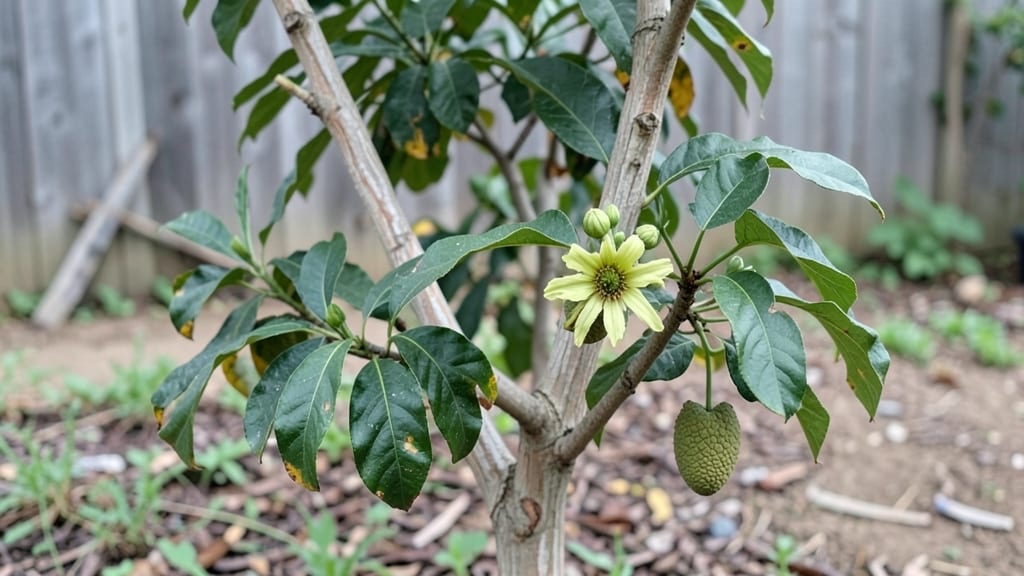
Growing sugar apple in a garden requires tropical conditions since it's a heat-loving fruit that demands warmth, high humidity, and well-draining soil to produce its signature sweet, custard-like flesh.
Sugar apple, also called sweetsop, originates from Central and South America's tropical regions where temperatures rarely drop below 60°F. 🌴 The key to cultivating it successfully lies in replicating its natural habitat—think lush, steamy environments with 70%+ humidity and 6.0-6.5 pH soil.
Many gardeners in warmer zones like Florida or California manage to grow it outdoors, while others in cooler climates use large containers that can be moved indoors during winter.
What makes this fruit particularly rewarding is its unique flavor, often described as a mix of pineapple and banana with a creamy texture, but it demands patience since trees can take 3-5 years to bear fruit.
For those attempting to grow sugar apple, starting with young grafted plants is far more reliable than seeds, which often produce inferior fruit. The tree's delicate nature means it struggles with temperature fluctuations—even brief cold snaps can damage leaves or kill the plant entirely.
Pruning regularly helps maintain airflow and shape, while watching for pests like aphids or fungal issues becomes essential as the tree matures. The effort pays off with fruit that's not just delicious but also packed with vitamins and antioxidants.
💡 In This Article
- Climate and Soil Requirements for Sugar Apple Trees
- Growing Sugar Apple in Home Gardens: Tips and Challenges
Climate and soil requirements for sugar apple trees
The sugar apple tree, scientifically known as Annona squamosa, is a true tropical fruit that demands specific climate conditions to thrive.
Native to regions like the Caribbean and South America, it flourishes best in areas where daytime temperatures consistently stay between 75-90°F. 🌞 These trees can't tolerate frost—even brief dips below 50°F can cause irreversible damage to leaves and fruit.
The high humidity levels (ideally 70% or above) mimic its natural rainforest environment, preventing stress that could lead to poor fruit development or leaf drop.
When it comes to soil, sugar apple trees prefer well-draining, slightly acidic to neutral soil with a pH range of 6.0-6.5. The roots need oxygen-rich conditions, so heavy clay soils should be amended with organic matter like compost or coconut coir to improve aeration.
Unlike citrus trees, sugar apples aren't particularly drought-tolerant—they require 1-1.5 inches of water weekly during growing seasons, with more during flowering and fruiting. The key factor here is avoiding waterlogged roots, which can lead to root rot—a common issue in tropical plants when drainage isn't adequate.
What most gardeners don't realize is how sensitive these trees are to temperature fluctuations.
While they can handle brief cool spells in 65-70°F ranges, sudden drops or prolonged exposure to cooler conditions slows growth and reduces fruit production. 🌡️ This is why container-growing works well in cooler climates—you can move potted trees indoors when nighttime temperatures approach 60°F.
The tree's native habitat receives consistent warmth year-round, so recreating this stability is crucial for successful cultivation.
Another critical aspect is sunlight exposure. Sugar apple trees need full sun (6-8 hours daily) to produce quality fruit, but they also appreciate some afternoon shade in extremely hot regions to prevent leaf burn.
The combination of warmth, humidity, and proper soil creates the perfect environment for these trees to develop their signature sweet, custard-like fruit—a reward that makes the tropical growing conditions well worth the effort.
For those attempting to grow sugar apple in less-than-ideal climates, consider using black plastic mulch around the base to raise soil temperatures by 5-10°F during cooler periods. This simple technique can make a significant difference in root zone warmth, which is essential for tropical fruit trees.
The payoff comes when you see those distinctive heart-shaped fruits ripening—each one packed with vitamin C, calcium, and antioxidants that make the growing challenges worthwhile. 🍍
One final consideration is wind protection. While sugar apple trees aren't as wind-sensitive as some tropical plants, strong winds can damage the delicate leaves and fruit. In open garden spaces, consider planting near a windbreak like a fence or hedge to create a more stable microclimate.
This small adjustment can help maintain the ideal tropical environment your sugar apple tree craves. 🌿