
Watering
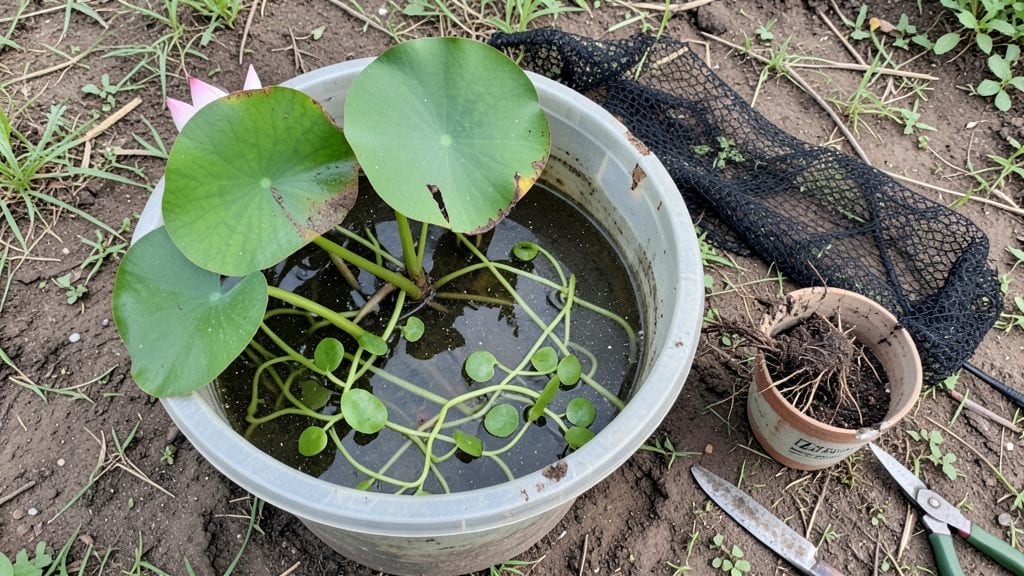
A self-sustaining water garden in a container brings the magic of a pond to your patio without digging a hole. 🌿 I started with a simple 12-gallon tub after seeing how my daughter's goldfish thrived in a tiny bowl—turns out, the right plants and circulation system can keep water crystal clear for months with almost no effort.
You'll need a container with at least 18 inches of depth, a small pump (or solar fountain), and a few hardy aquatic plants like water hyacinth or water lettuce to keep the ecosystem balanced.
The key is matching plant types to their zones—marginals like sweet flag at the edges and submerged oxygenators like anacharis in the water column. Most hardware stores sell pre-planted baskets to skip the guesswork.
Within weeks, you'll have a mini ecosystem that filters itself, attracts dragonflies, and stays cleaner than a store-bought fountain. The water stays fresh because plants absorb nutrients, and the pump creates gentle movement that prevents algae. Even in small spaces, this setup becomes a focal point that hums with life.
Works on balconies, decks, or windowsills with proper sunlight (6+ hours daily). The biggest mistake? Skipping the liner—always use a pond liner or heavy-duty plastic to prevent leaks. Let's turn that container into a living water feature!
📚 In This Guide
- What you need
- Instructions
- Tips and common mistakes
- Wrapping up and next steps
What you need
- ● Container: A sturdy, non-toxic basin (plastic, fiberglass, or ceramic) with a minimum depth of 12 inches and a diameter of at least 18 inches (larger for bigger plants).
- ● Substrate: 3–5 gallons of gravel or small pebbles (1–2 inches in diameter) for drainage and root support.
- ● Aquatic plants: Oxygenators (floating or submerged): 3–5 plants (e.g., Hornwort or Water Hyacinth).
- ● Marginal plants (for edges): 1–2 plants (e.g., Water Lettuce or Pickerelweed).
- ○ Water source: A small pump (100–200 GPH) or a solar-powered fountain (optional but recommended for circulation).
- ● Water: Dechlorinated tap water (let it sit for 24 hours or use a water conditioner).
- ○ Fish (optional but fun!): 1–2 small, hardy species like Guppies or Mosquito Fish (ensure your container is large enough for their needs).
- ● Tools: Trowel, bucket, net (for debris), and a pH test kit (to monitor water quality).
- ○ Optional upgrades: LED aquarium lights for planted containers.
- ● Waterproof liner (if using a non-sealed container).
- ● Decorative rocks or driftwood for aesthetics.
Step-by-step instructions for creating a self-sustaining container water garden
Here's how to craft a thriving aquatic microcosm—no pond liner or complex plumbing required.
🪴 Step 1: Select and Prepare the Container
Choose a container with a minimum 12-inch depth and 10+ gallons capacity—deeper is better for root systems. I prefer glazed ceramic or heavy plastic because they retain moisture without leaching chemicals. Clean thoroughly with 10% bleach solution (1 part bleach to 9 parts water), rinse well, and let dry completely to prevent algae blooms later.
Drill 2-3 drainage holes near the bottom if your container lacks them. Place a mesh screen over each hole to keep substrate from washing out while allowing excess water to escape. For extra stability, place a flat stone at the bottom before adding substrate—this elevates roots slightly and prevents rot.
💧 Step 2: Layer Substrate and Install Filtration
Start with a 2-inch layer of coarse gravel (¼-inch to ½-inch stones) at the bottom. This creates drainage and prevents anaerobic pockets where roots suffocate. Next, add a 3-inch layer of aquarium substrate—I use a mix of sand and small pebbles (⅛-inch to ¼-inch) for a natural look while promoting beneficial microbial growth.
For filtration, place a sponge filter or air stone near one side, connected to an air pump outside the container. Position it so bubbles circulate water gently—you’ll see tiny ripples across the surface, which oxygenates the water and prevents stagnation. Avoid overpowering flow; gentle movement mimics natural currents.
🌿 Step 3: Plant Marginal and Floating Species
Select 4-6 marginal plants (those that grow in shallow water) like water hyacinth, pickerelweed, or sweet flag. Plant them in the substrate along the edges, spacing them 6-8 inches apart so roots spread without crowding. For floating plants, add water lettuce or duckweed—they’ll multiply quickly, providing shade and shelter for tiny aquatic life.
Here’s the thing—avoid overplanting. Too many roots compete for nutrients, and floating plants can smother the water surface if left unchecked. Start with 2-3 floating plants and adjust as you observe growth. You’ll notice new leaves emerging within 7-10 days—that’s your sign the ecosystem is stabilizing.
✂️ Step 4: Introduce Fish and Maintain Balance
Wait 4-6 weeks before adding fish to let the plants establish and the water chemistry stabilize. Start with 2-3 small fish like guppies, white cloud mountain minnows, or rosy red minnows—they’re hardy and thrive in 65-75°F water. Add them gradually; sudden population spikes disrupt the nitrogen cycle and risk ammonia spikes.
Feed fish sparingly—overfeeding leads to uneaten food decomposing and clouding the water. Watch for green water (algae bloom) or fish gasping at the surface—these are signs of imbalance. Trim excess floating plants weekly to maintain 30-50% surface coverage, which keeps light penetration ideal for submerged roots.
☀️ Step 5: Position for Optimal Light and Maintenance
Place your container in partial shade (4-6 hours of morning sun max) to prevent algae outbreaks. Direct afternoon sun overheats the water and accelerates evaporation. If indoors, position near a south-facing window with grow lights if natural light is insufficient—plants need 8-12 hours of light daily for photosynthesis.
Top off water weekly with dechlorinated water (let tap water sit 24 hours or use a water conditioner). Check the air pump monthly to ensure it’s running smoothly—silent failure is the most common issue. You’ll know your ecosystem is thriving when fish are active, plants grow steadily, and the water stays clear with minimal algae.
Tips & tricks for perfect container water gardens
Creating a thriving aquatic ecosystem in a container is all about balance—get these details right, and your miniature pond will flourish for years. Here’s what I’ve learned from years of trial and error (and a few failed experiments).
Container Material Matters: While glazed ceramic and heavy plastic are ideal, you can also use food-grade buckets or even repurposed aquariums. The key is avoiding porous materials like untreated wood or terracotta, which can leach harmful chemicals and harbor bacteria. If using a repurposed container, give it an extra rinse with the bleach solution—this ensures any lingering residues won’t disrupt your ecosystem.
Substrate Layering Strategy: The 2-inch layer of coarse gravel isn’t just for drainage—it also creates a buffer zone that prevents anaerobic pockets where harmful gases build up. For the 3-inch aquarium substrate layer, consider adding a handful of beneficial bacteria (available at pet stores) to kickstart the nitrogen cycle. This accelerates the process of converting toxic ammonia into nitrites and nitrates, which is critical before adding fish.
Plant Selection Insight: When choosing your 4-6 marginal plants, opt for species native to your region—they’ll adapt more easily to your local climate. For floating plants, start with just 2-3 water lettuce plants rather than duckweed, which can multiply uncontrollably. Water lettuce grows slower and gives you better control over surface coverage. You’ll notice new growth within those 7-10 days, but be patient—rushing to add more plants disrupts the delicate balance.
Fish Introduction Timing: The 4-6 week waiting period before adding fish is non-negotiable for beginners. During this time, your plants are working hard to establish roots and begin the nitrogen cycle. If you’re eager to add aquatic life sooner, consider starting with snails or shrimp instead—they’re more resilient and can help clean up excess algae while your system matures.
Pro Tips for Make A Water Garden In A Container
- Creating a thriving aquatic ecosystem in a container is all about balance—get these details right, and your miniature pond will flourish for years.
- Container Material Matters: While glazed ceramic and heavy plastic are ideal, you can also use food-grade buckets or even repurposed aquariums.
- Substrate Layering Strategy: The 2-inch layer of coarse gravel isn’t just for drainage—it also creates a buffer zone that prevents anaerobic pockets where harmful gases build up.
Frequently asked questions
Got questions about creating your own container water garden? You’re not alone—many beginners wonder about maintenance, plant choices, and even where to place their setup. Here are some of the most common queries (and their answers!) to help you dive in with confidence.
What’s the easiest type of water plant to start with for a container garden?
Begin with hardy, low-maintenance plants like water hyacinth, water lettuce, or water lilies (floating or rooted varieties). These thrive in containers, absorb excess nutrients, and deter mosquitoes naturally. Avoid invasive species—always research local regulations!
How often should I clean or maintain my container water garden?
Check your setup weekly for debris, algae, or pests. Drain and refill the water every 2–4 weeks to prevent stagnation. Trim overgrown plants and remove dead leaves to keep the ecosystem balanced. A small pump or fountain adds oxygen and reduces maintenance.
Can I use tap water for my container water garden?
Yes, but let it sit uncovered for 24–48 hours first to remove chlorine. Alternatively, use rainwater or well water. Avoid treated pool water—it may contain harmful chemicals. A splash of aged water or a pinch of aquarium salt can help stabilize the environment.
What’s the best container size for a beginner?
Aim for at least 5–10 gallons to support plants and beneficial bacteria. Wider containers (like half whiskey barrels) are ideal—they provide more surface area for oxygen exchange. Smaller pots (3–5 gallons) work for floating plants but require more frequent care.
How do I keep mosquitoes away from my container water garden?
Mosquitoes love stagnant water, but your garden can be a mosquito-free zone! Add mosquito fish (gambusia), floating plants (like water hyacinth), or a small fountain to disrupt breeding cycles. Avoid overcrowding plants—this creates still pockets where eggs thrive.
What should I do if my water turns green or cloudy?
Green water = algae blooming (usually harmless but unsightly). Reduce sunlight, add more floating plants, or introduce duckweed to compete for nutrients. Cloudiness often means excess organic matter—trim plants, remove debris, and consider a small filter or UV clarifier.
Wrapping up and next steps
Creating a self-sustaining water garden in a container is a rewarding way to bring nature’s tranquility to small spaces—no green thumb required! 🌿 With the right materials, a bit of planning, and a touch of patience, you’ll soon enjoy a thriving ecosystem that purifies water, attracts wildlife, and adds beauty to your home.
Start small, experiment with plants, and let your container garden evolve over time.
Now that you’re ready to dive in, take the next step: browse container options or explore aquatic plants to customize your design. Happy gardening—your future water garden is waiting! 🌊✨