
Pests
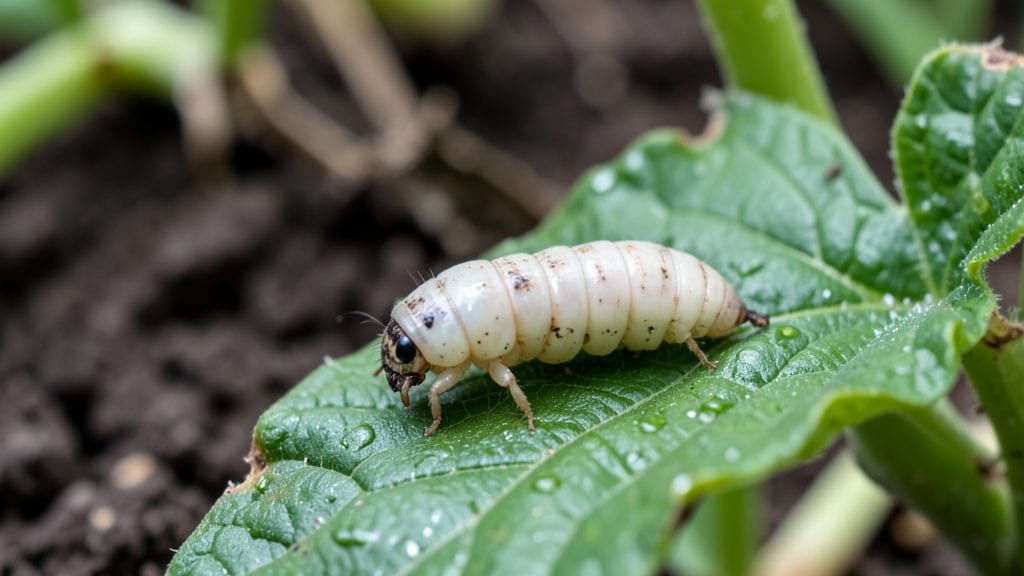
Identifying garden grubs starts with noticing their sneaky habits—those squirming, C-shaped critters tunneling through roots or munching leaves. 🌱 I’ve spent years digging through soil to find them, and the first clue is always their shape: thick, segmented bodies or smooth, plump forms that don’t look like typical worms.
Some leave behind telltale signs like chewed grass blades or wilting plants, while others hide deep in the soil until it’s too late.
The real trick is spotting the differences between caterpillar larvae and beetle grubs. Caterpillars often sport fuzzy bodies or bright colors, while beetle larvae tend to be smooth, white, or tan with distinct legs.
Japanese beetle larvae, for example, are cream-colored with brown heads, while June bug grubs are stout and curl into a C-shape when disturbed. Knowing these details helps you act fast before they destroy your garden.
Once you’ve identified them, you’ll want to act—whether that means handpicking, using nematodes, or adjusting watering habits. The key is catching them early, before they turn your lawn or garden into a buffet. With the right approach, you can keep your plants thriving without resorting to harsh chemicals.
This guide breaks down the visual cues, habitats, and damage patterns so you can tell them apart—and stop them in their tracks. Let’s get started with the visual clues that make all the difference.
Root Causes Of Grub Infestations
Garden grubs—those squirming, soil-dwelling larvae—don’t just appear out of nowhere. Their presence is usually a sign of deeper ecological or environmental factors at play. Understanding why they thrive in your garden is the first step to controlling them.
Below, we break down the key triggers that turn your soil into a grub buffet.
Grubs like Japanese beetle larvae and European chafer grubs thrive in moist, soft soil because it’s easier for them to burrow and feed on roots. Here’s why this happens:
- Excess moisture: Overwatering (or poor drainage) creates the perfect anaerobic environment for grubs to survive and multiply. Fun fact: Some species, like black vine weevil larvae, actually require consistently damp soil to avoid drying out.
- Compacted soil: Heavy foot traffic, machinery, or clay-heavy soil compresses the earth, making it harder for grass roots to penetrate—and easier for grubs to hide undetected. Compacted zones also trap moisture, accelerating larval activity.
- Thatch buildup: A thick layer of dead grass (thatch) smothers roots and retains moisture, creating a grub paradise just beneath the surface.
Actionable fix: Test your soil’s drainage (dig a 6-inch hole—if water pools after 24 hours, you’ve got poor drainage). Aerate compacted lawns in fall or spring and reduce irrigation to encourage deeper root growth.
Grubs are opportunistic feeders—they target plants that are already struggling. Here’s how stress invites them in:
- Nutrient deficiencies: Plants low in nitrogen (a key component of chlorophyll) produce weaker roots, making them easier prey. Grubs detect these nutrient leaks and go for the easy meal.
- Disease or pest damage: Fungal infections (like take-all root rot) or existing insect damage (e.g., grubs’ older siblings: adult beetles) create entry points for larvae.
- Seasonal stress: Drought or extreme heat forces plants to divert energy to survival, leaving roots vulnerable. Grubs capitalize on this by pruning the roots further.
Actionable fix: Conduct a soil test to check pH and nutrient levels. Apply a balanced fertilizer (like 10-10-10) in early spring to bolster root health. Pro tip: Avoid over-fertilizing with nitrogen alone—it can attract more beetles, which lay eggs that hatch into grubs!
Grubs are just the larval stage of beetles. Their presence is a lagging indicator of adult beetle activity earlier in the season. Here’s how it works:
- Beetle egg-laying habits: Adults (like June bugs or chafers) lay eggs in late summer or early fall in warm, moist soil. They choose spots where grass is lush—because that means more roots for their offspring.
- Timing matters: Eggs hatch into grubs in 2–4 weeks, then spend 10–12 months feeding before pupating. If you see grubs now, the adults were likely active last year.
- Attraction to light: Some beetles (like Japanese beetles) are drawn to nighttime lighting, increasing egg-laying near illuminated areas.
Actionable fix: Monitor adult beetle populations in early evening with a blacklight trap or yellow sticky traps. Reduce outdoor lighting after dusk to deter egg-laying. 💡 Pro tip: Mow high in late summer to expose eggs to predators (like birds) before they hatch!
Grubs don’t just appear—they’re often invited by how we manage our gardens. Neglect in these areas creates ideal conditions:
- Leaving organic debris: Grass clippings, fallen leaves, and mulch piles provide microhabitats for grubs to hide and pupate. Some species, like masked chafer larvae, even overwinter in leaf litter.
- Unmowed lawns: Tall grass shields grubs from natural predators (like toads, shrews, and birds) and retains moisture at the soil surface.
- Monoculture landscapes: Planting the same species (e.g., Kentucky bluegrass) creates a grub buffet with no diversity to disrupt their life cycle.
Actionable fix: Practice regular cleanup: Remove thatch, rake up debris, and mow weekly. Introduce clover or native grasses to break up monocultures and confuse beetle egg-laying patterns.
Grubs don’t discriminate—they’ll target healthy lawns and struggling ones. The key is proactive management: address soil health, disrupt beetle life cycles, and remove their hiding spots. Next up, we’ll cover how to tell caterpillar grubs apart from beetle larvae so you can tailor your response!
Quick Fixes for Garden Grub Woes
Got unwanted garden grubs wreaking havoc on your plants? Don’t panic—there are practical, effective ways to tackle these pests without resorting to harsh chemicals. Below, we’ve mapped out cause-specific solutions to help you reclaim your garden.
Whether you’re dealing with voracious caterpillars or beetle larvae, these methods are easy to implement and designed to work quickly.
🐛 Caterpillar Larvae (e.g., Cutworms, Tomato Hornworms, Armyworms)
If your plants are being chewed to the ground or stripped of leaves overnight, caterpillar larvae are likely the culprits. Here’s how to stop them:
1️⃣ Manual Removal (Best for Small Infestations)
- 👨🍳 Pick Them Off: Wear gloves and pluck larvae from leaves or soil. Drop them into soapy water to kill them instantly.
- 🌙 Night Patrol: Caterpillars are most active at dawn/dusk—check plants during these times for easier spotting.
2️⃣ Natural Predators (Eco-Friendly & Long-Term)
- 🐦 Encourage Birds: Install birdhouses or feeders to attract natural caterpillar hunters like robins, sparrows, and chickadees.
- 🐝 Beneficial Nematodes: These microscopic worms (like Heterorhabditis bacteriophora) infect and kill grubs in the soil. Apply them in the evening for best results.
3️⃣ Organic Sprays (Fast Action)
- 🍳 Bacillus thuringiensis (Bt): A bacteria-based spray that’s safe for humans and pets but deadly to caterpillars. Reapply after rain.
- 🌿 Neem Oil: Disrupts feeding and growth. Mix 1 tbsp neem oil + 1 tsp mild soap in 1 quart of water, then spray foliage.
4️⃣ Physical Barriers (Preventative)
- 🛡️ Collars for Young Plants: Use cardboard or plastic collars around stems to block cutworms from chewing at the base.
- 🌱 Row Covers: Lightweight fabric covers protect plants while allowing sunlight and water through.
🪲 Beetle Larvae (e.g., Japanese Beetle Grubs, Chafer Grubs)
If your lawn is spongy, brown patches appear, or you see C-shaped larvae in the soil, beetle grubs are likely the issue. These pests attack roots, weakening grass and plants.
1️⃣ Milky Spore (Long-Term Lawn Protection)
- 🌱 Soil Treatment: Apply Bacillus popilliae (milky spore) to your lawn. It spreads naturally, killing grubs for 3–5 years. Best for preventative use in early summer.
2️⃣ Nematodes for Grub Control
- 🔬 Beneficial Nematodes (Steinernema carpocapsae): Water them into the soil—they seek out and parasitize grubs. Apply in late summer when grubs are young.
3️⃣ Chemical-Free Lawn Care
- 💧 Overwatering Fix: Grubs thrive in soggy soil. Improve drainage and water deeply but less frequently to stress them out.
- 🌿 Aerate & Overseed: Healthy grass crowds out grubs. Aerate in fall, then reseed with grub-resistant grass types like tall fescue.
4️⃣ Traps & Lures (For Japanese Beetles)
- 🎣 Japanese Beetle Traps: Place traps far from your garden (they attract more beetles if placed too close!). Check daily and drown trapped beetles in soapy water.
Once you’ve tackled an infestation, stop it from coming back with these proactive steps:
- 🌱 Rotate Crops: Avoid planting the same veggies in the same spot yearly—it disrupts grub life cycles. - 🍂 Clean Up Debris: Remove plant residue, mulch, and weeds where grubs hide over winter. - 🌡️ Monitor Soil Health: Healthy soil = fewer pests.
Add compost and avoid over-fertilizing with nitrogen. - 🕵️ Early Detection: Inspect plants weekly for eggs (tiny white clusters) or fresh damage. Catching grubs early = easier removal!
💡 Pro Tip: For severe infestations, combine methods—for example, use Bt spray + nematodes + manual removal for a 1-2-3 punch against caterpillars. Patience and consistency pay off!
Frequently asked questions
What’s the easiest way to tell if I have grubs in my soil?
Dig up a small patch of sod or soil—look for C-shaped white or tan larvae about 1/2 to 1 inch long. If you see them, they’re likely beetle grubs. For caterpillar larvae, check leaves for stripped foliage or tiny holes, and inspect stems for sawdust-like frass (droppings).
Are all grubs harmful to my garden?
Not all! Some grubs, like those from carabid beetles, actually help control other pests. The harmful ones are usually beetle larvae (Japanese beetles, June bugs) or caterpillar larvae (cutworms, hornworms). Focus on identifying the damage pattern—wilting plants or spongy lawns? That’s a red flag.
How do I know if my grubs are Japanese beetle larvae vs. something else?
Japanese beetle grubs have a cream-colored body with a distinct brown head and are 1/2 to 3/4 inch long. They curl into a C-shape when disturbed. Compare this to June bug grubs, which are stouter and grayish-brown. Dig up a few—size and color are your best clues!
Can I use vinegar to kill grubs in my lawn?
Vinegar won’t kill grubs directly, but a 1:1 vinegar-water spray can help stress them out by disrupting their environment. For better results, combine it with beneficial nematodes or milky spore. Just avoid overwatering—grubs love damp soil!
What’s the best time of year to treat for grubs?
Late summer to early fall is ideal—this is when beetle eggs hatch into grubs. Apply nematodes or milky spore during this window for maximum impact. For caterpillar larvae, treat in spring or early summer when young plants are most vulnerable. Timing is everything!