
Tools
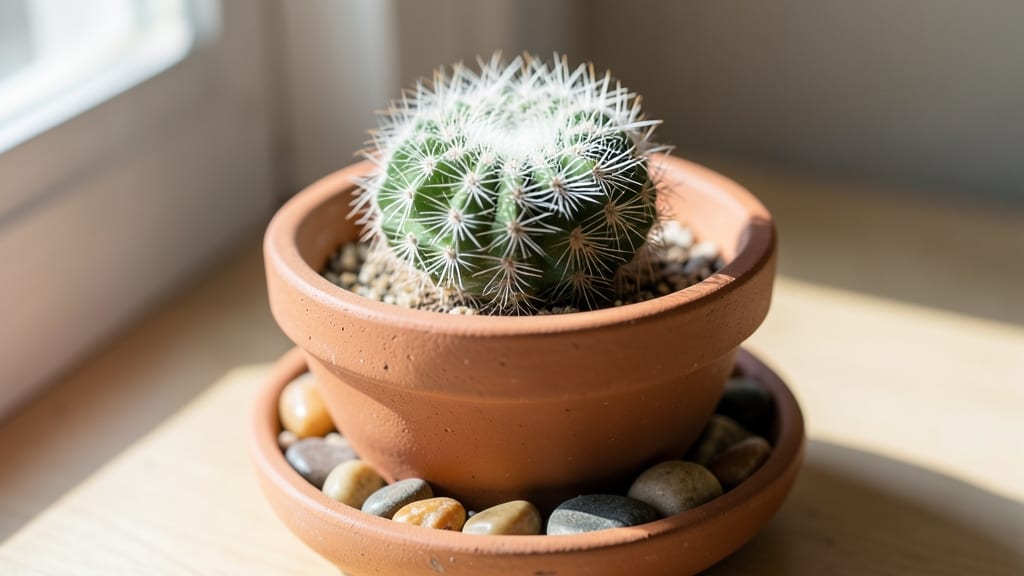
Creating an indoor cactus garden that thrives without sunlight is easier than you think—my first attempt used just a 12-inch grow light and a thrifted wooden crate. The key isn’t finding the perfect spot but designing a space where cacti feel at home while saving room on shelves or windowsills.
I turned a cluttered corner into a striking display that requires less care than a houseplant but looks like a desert oasis.
Start with small, slow-growing varieties like mammillaria or haworthia—they’re forgiving for beginners and pack a punch in tight spaces. Use shallow, well-draining pots with drainage holes (I repurpose vintage teacups for a quirky touch), and group plants by water needs to simplify care.
A south-facing window or LED grow bulb keeps them happy without the fuss of outdoor conditions.
By the end, you’ll have a desert-inspired centerpiece that’s nearly maintenance-free—water every 3-4 weeks in winter, dust the spines occasionally, and watch them grow. The best part? You can mix in decorative stones, driftwood, or even tiny succulents to create a layered, Instagram-worthy scene that fits any room.
Works for apartments, offices, or sun-starved corners—just adjust lighting and spacing to your space. Let’s get designing!
📚 In This Guide
- What you need
- Instructions
- Tips and common mistakes
- Wrapping up and next steps
What you need
- ● Cacti & Succulents: 3–10 plants (mix of sizes/shapes for visual appeal). Best picks: Zebra Cactus, Snake Plant, or Haworthia (low-light tolerant).
- ● Containers: 3–5 pots with drainage holes (terracotta, ceramic, or plastic). Size: 1–2 inches larger than the plant’s root ball.
- ● Potting Mix: 1–2 bags of cactus/succulent soil (or regular potting soil + perlite/sand for drainage).
- ● Drainage Layer: Pebbles, gravel, or broken pottery (1–2 inches per pot).
- ○ Grow Lights: 1–2 LED full-spectrum grow lights (12–16 hours/day for optimal growth). Optional: Smart timers for automation.
- ● Watering Can: Small, narrow-spout can (or a spray bottle for misting).
- ● Gloves: Cactus-safe (thick gardening gloves or leather).
- ● Decorative trays or saucers (to catch excess water).
- ● Humidity tray (for tropical cacti like Rhipsalis).
- ● Fertilizer: Balanced liquid fertilizer (diluted to ½ strength, used every 4–6 weeks).
- ● Stakes or trellises (for climbing cacti like Hylocereus).
- ● Label markers (to track plant names/needs).
- ● Self-watering system (for busy plant parents!).
Step-by-step instructions for designing a thriving indoor cactus garden
Transform any dim corner into a desert oasis with this space-saving approach that prioritizes airflow and minimal light.
Select the Right Containers for Airflow and Drainage
Choose shallow, wide pots with drainage holes—terracotta or ceramic works best. I avoid plastic because it traps moisture and encourages rot. For each of your four cacti, use a container at least 6 inches wide with multiple drainage holes drilled if needed. Place a small piece of broken pottery or mesh over each hole to prevent soil from washing out while allowing excess water to escape.
Position pots on saucers or trays to catch runoff. This prevents water from pooling beneath, which can lead to root rot. I like to group similar-sized cacti together for a cohesive look, but ensure each has its own dedicated space—crowding reduces airflow and increases humidity around the stems.
Prepare a Well-Draining Soil Mix
Cacti hate soggy roots, so blend 70% potting soil with 30% perlite or coarse sand to create a gritty, fast-draining mix. For your four plants, combine 2 gallons of potting soil with 1 gallon of perlite—this ratio ensures excess water drains quickly without compacting. Avoid garden soil; it’s too dense and retains moisture for too long.
Fill each pot to 1 inch below the rim, leaving room for watering. Tap the container gently to settle the soil without compacting it. The mix should feel light and crumbly—if it sticks together when squeezed, add more perlite. Pre-moisten the soil lightly with lukewarm water until evenly damp but not saturated.
Plant and Position for Indirect Light
Remove each cactus from its nursery pot and gently loosen the roots if they’re circling. Place the plant in its new container, ensuring the soil line matches the original depth—burying the stem too deep invites rot. Press the soil lightly around the base to secure the cactus, but don’t pack it down tightly. This ensures roots can spread without resistance.
Arrange your four cacti in a south- or east-facing window for the brightest indirect light. If natural light is limited, supplement with a grow light placed 12-18 inches away for 12-14 hours daily. Watch for pale or stretched growth—this signals insufficient light. Rotate the pots quarter-turn weekly so all sides receive even exposure.
Establish a Watering Routine Without Overdoing It
Water deeply but only when the soil is completely dry—stick your finger 2 inches into the soil. If it feels dry, water slowly until it runs out the drainage holes. For your setup, this typically means every 3-4 weeks in winter and every 2 weeks in summer, depending on humidity. Overwatering is the fastest way to kill cacti; yellowing or mushy stems are sure signs of rot.
After watering, empty saucers immediately to prevent the plants from sitting in standing water. I use a spray bottle to mist the air around the cacti once a month during dry winter months—this mimics the occasional desert mist without wetting the soil. Avoid misting in summer; high humidity encourages fungal issues.
Maintain Humidity and Airflow for Long-Term Health
Cacti thrive in low humidity but need good airflow to prevent rot. Place a small fan on low speed near the garden for a few hours daily to mimic desert breezes. This also deters pests like mealybugs, which love stagnant, humid conditions. If your home runs dry, group the pots on a pebble tray with water—just ensure the pots aren’t sitting directly in it.
Fertilize once a month in spring and summer with a balanced, water-soluble fertilizer diluted to half strength. Skip fertilizing in fall and winter when growth slows. You’ll know it’s working when your cacti produce new spines or buds—this is their way of saying, “Thanks, I’m thriving!” Prune any dead or damaged parts with sterilized scissors, and let the wounds dry for 24 hours before watering again.
Tips & tricks for perfect indoor cactus garden setup
Creating a thriving indoor cactus garden isn't just about following steps—it's about understanding the subtle details that make all the difference between a struggling collection and a vibrant desert oasis. Here's what I've learned from years of trial and error.
Container Selection Matters More Than You Think: While terracotta and ceramic pots are ideal, don't dismiss glazed ceramic if it's all you have. The key is ensuring those drainage holes are functional—test each pot by filling it with water and checking how quickly it drains. I've seen cacti thrive in glazed pots as long as I added extra drainage holes myself using a drill bit slightly larger than the existing holes. The 6-inch minimum width is non-negotiable for proper root development in your four plants.
Soil Texture is Everything: The 70/30 potting soil to perlite ratio is your foundation, but don't stop there. For even better drainage, I sift the perlite through a fine mesh screen to remove any dust or fine particles that could compact over time. When pre-moistening the soil, use a spray bottle to distribute water evenly—pouring from above can create pockets of saturation that lead to rot. The soil should resemble damp sand, not wet cement.
Light Positioning Requires Strategic Thinking: That south- or east-facing window recommendation assumes standard glass—if you have tinted windows or live in an area with heavy air pollution, you'll need to supplement with grow lights sooner. I've found that positioning the grow light at the 12-inch mark creates the ideal balance between intensity and coverage for your four cacti. The quarter-turn weekly rotation isn't just about even growth—it prevents the plants from leaning toward one light source, which creates unsightly growth patterns.
Watering Psychology is Critical: The 2-inch soil check might seem simple, but timing is everything. I've learned to water in the morning so any excess moisture has time to evaporate before evening. For your summer watering schedule, consider using a moisture meter—it takes the guesswork out of determining when the soil is truly dry. The once-monthly misting in winter is about humidity control, not hydration; think of it as creating a microclimate that mimics the occasional desert mist without risking fungal issues.
Pro Tips for Indoor Cactus Garden
- Creating a thriving indoor cactus garden isn't just about following steps—it's about understanding the subtle details that make all the difference between a struggling collection and a vibrant desert oasis.
- Container Selection Matters More Than You Think: While terracotta and ceramic pots are ideal, don't dismiss glazed ceramic if it's all you have.
- Soil Texture is Everything: The 70/30 potting soil to perlite ratio is your foundation, but don't stop there.
Frequently asked questions
Got questions about creating your dream indoor cactus garden?
You’re not alone! Here are some of the most common queries—and their easy, expert-backed answers—to help you grow with confidence.
Can I grow cacti indoors without sunlight?
While cacti love sunlight, many varieties—like Zygocactus (Christmas cactus) or Echeveria—thrive indoors with 6–8 hours of bright, indirect light (e.g., near a south-facing window). For low-light spaces, supplement with grow lights (LED or fluorescent) for 12–14 hours daily. Just avoid dark corners!
How long does it take for an indoor cactus garden to establish?
Patience pays off! Most cacti take 3–6 months to show noticeable growth indoors, depending on the species and care. Slow growers (like Mammillaria) may take longer, while fast growers (like Opuntia) can sprout new pads in weeks. Focus on consistent watering (every 2–3 weeks) and light exposure to speed things up.
Why are my cacti turning yellow or mushy?
Overwatering is the #1 killer of indoor cacti! Yellowing or mushy stems signal root rot, often caused by soggy soil or poor drainage. Fix it fast:
- Stop watering immediately.
- Repot in fresh, well-draining cactus soil.
- Check for rot—trim dead tissue with sterile scissors.
- Let soil dry completely before watering again.
What’s the best alternative for tiny apartments?
Space-saving is key! Opt for hanging cactus gardens (macramé planters), wall-mounted shelves, or terrariums with small cacti like Hatiora or Rhipsalis. Vertical planters (DIY or store-bought) also work—just ensure each cactus gets 4–6 inches of space to avoid competition.
Do indoor cacti need special temperatures?
Most cacti prefer 65–80°F (18–27°C) during the day and a 10°F (5°C) drop at night to mimic their desert roots. Avoid drafts (AC vents, heaters) and keep them away from freezing windows. If temps dip below 50°F (10°C), move them to a warmer spot or use a heating mat for sensitive species.
Wrapping up and next steps
Creating an indoor cactus garden is a rewarding way to bring desert charm into your space—even without natural sunlight! With the right tools, low-maintenance varieties, and a touch of creativity, you can craft a thriving, space-saving oasis that’s as unique as you are.
Whether you’re a seasoned plant parent or just starting out, this guide proves you don’t need a sunny window to nurture beauty.
Ready to take the next step? Start small—pick one or two cacti and experiment with containers, lighting, or even propagation. Your indoor jungle awaits! 🌵✨