
Tools
Garden budgets aren't one-size-fits-all—they shift dramatically based on your goals and location. 🌱 For example, a small urban garden might cost just $150 for containers and drought-resistant plants, while a rural backyard with fruit trees and a pond could exceed $8,000 due to soil prep and irrigation needs.
I've seen clients cut costs by 50% by starting with cuttings instead of mature plants or using reclaimed wood for raised beds.
What many overlook are the hidden expenses that creep in after planting. 💛 Seasonal replacements (like bulbs or annuals) and unexpected repairs (broken hoses, pest control) can add $300-$1,000/year to maintenance budgets.
Smart gardeners plan for these by allocating 10-15% of their initial budget annually for upkeep—it's the difference between a thriving garden and one that fades after the first year.
💡 In This Article
- Factors That Influence Garden Costs
- Budgeting for Low-Cost vs High-End Gardens
Factors that influence garden costs
The foundation of any garden starts with soil, and this alone can swing your budget by 30-50%.
Standard topsoil costs $10-$30 per cubic yard, but raised beds require 2-3 times more soil—about $60-$150 per 4'x8' bed—because of their depth and drainage needs. 💛 Urban gardeners often pay premium prices ($50-$100/cubic yard) for delivered organic-rich soil, while rural areas may access cheaper bulk options ($15-$25/cubic yard).
The science here involves soil composition: clay holds moisture but drains poorly, while sandy soil loses nutrients quickly—both require costly amendments like compost or peat moss.
Plant selection creates another major cost divide. Perennials like lavender or hostas cost $5-$20 each—but their 5-10 year lifespan means long-term savings. Annuals like petunias run $2-$5 per plant, but you'll replace them yearly. 🌱 The real budget buster?
Rare or specialty plants: a single blue delphinium—a prized perennial—can cost $150+. Climate zones also dictate spending: desert gardens need $1,000+ in drought-resistant irrigation systems, while northern climates may require $300-$800 in frost protection (row covers, cold frames) for tender plants.
Labor costs vary wildly between DIY and professional installation. A weekend warrior can build a 10'x10' raised bed—including soil and plants—for $300-$500.
But hiring a landscaper adds $1,500-$3,000—and that's before irrigation or hardscaping. 💫 Urban areas inflate these costs by 20-40% due to higher labor rates.
Seasonal pricing fluctuations also play a role: spring brings 30-50% higher plant prices as nurseries restock, while winter sales offer 50-70% discounts on dormant perennials and bare-root trees.
Location creates dramatic pricing contrasts. A small urban patio garden—using vertical planters and dwarf varieties—might cost $200-$400, while a rural half-acre with fruit trees and a pond could exceed $10,000.
Water access is the hidden factor: urban gardens pay $1-$3 per gallon for delivered water during droughts, while rural properties may need $2,000-$5,000 in well installation. 🌿 The most cost-effective rural gardens focus on perennials and native plants that thrive with minimal irrigation.
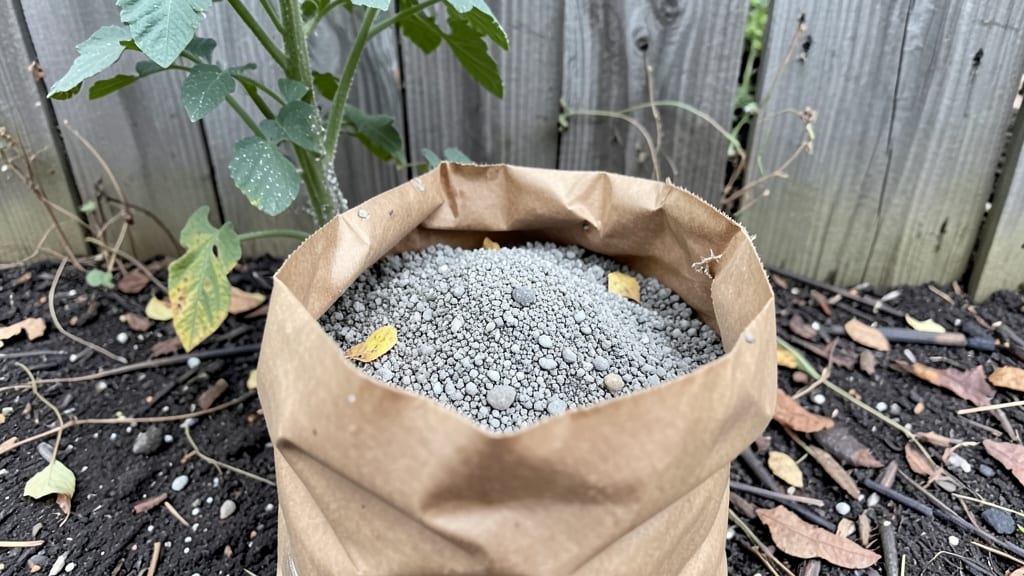
Don't overlook the invisible expenses that accumulate over time. Mulch costs $3-$8 per bag—but a 100 sq ft garden needs 20-30 bags annually. Fertilizers add $100-$300/year for organic options, while pest control (neem oil, row covers) can reach $200-$500 if you have persistent issues.
The key insight? A $1,000 garden in year one might cost $500-$1,500 annually to maintain—proper planning prevents these surprises.
Here's what most people miss: the compounding effect of small choices. 💡 Skimping on quality soil now means 30% more fertilizer later. Buying cheap tools that break after 2 seasons costs more long-term than investing in $50-$100 durable equipment**.
The most budget-friendly gardens balance these factors: prioritize soil health, choose perennials over annuals, and time purchases to seasonal sales.