
Container Gardens
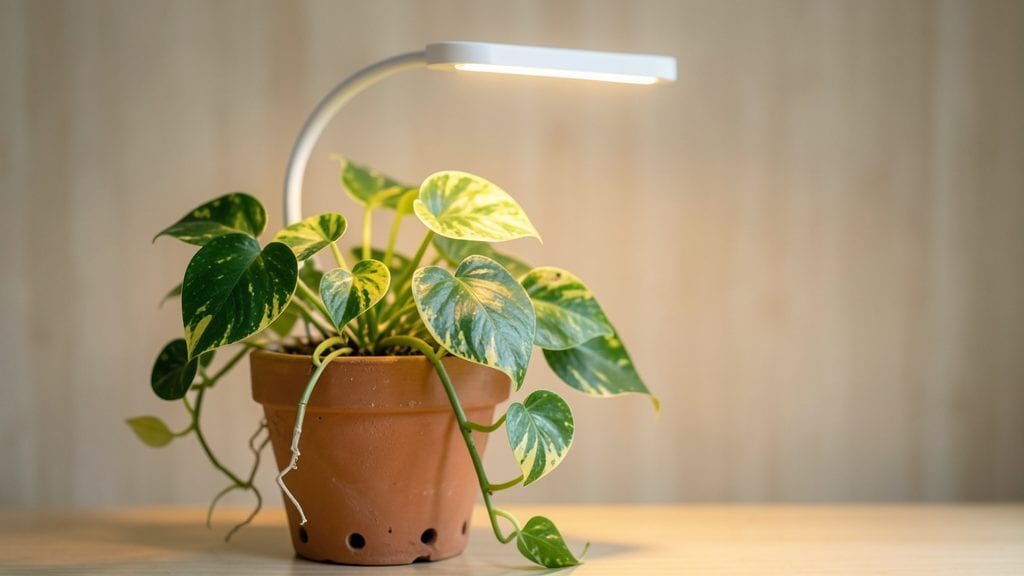
Indoor gardening activities don’t require a green thumb—just a little creativity and the right plant pairings to bring life to any space. 🌿 I’ve turned my sunless apartment into a thriving jungle by mixing low-maintenance plants that complement each other’s needs, like snake plants with pothos or mint with basil.
The key is choosing plants that share similar light and water preferences, so you’re not constantly fussing over different routines.
You’ll start with just a few supplies: small pots, well-draining soil, and a sunny windowsill or grow light. The best part? These pairings thrive together, creating a mini ecosystem that cleans the air and boosts your mood.
Even if you’ve killed plants before, these combos are hard to mess up—perfect for beginners or busy gardeners who want lush greenery without the stress.
Imagine waking up to fragrant herbs for cooking or trailing vines cascading from shelves, all while your space feels fresher and more alive. These setups work year-round, whether you’re tucked away in winter or dealing with summer’s harsh light.
The results? A space that feels like a sanctuary, no matter the season.
From vertical gardens to repurposed containers, these ideas adapt to any home—big or small. Let’s get you started with pairings that grow effortlessly together, so you can enjoy the rewards without the guesswork.
📚 In This Guide
- What you need
- Instructions
- Tips and common mistakes
- Wrapping up and next steps
What you need
- ● Containers: 1–3 drainage-friendly pots (5–12" diameter, with holes at the bottom) – terracotta, ceramic, or plastic (avoid metal).
- ○ Optional: Self-watering planters (great for beginners!).
- ● Growing Medium: 1–2 bags of well-draining potting mix (avoid garden soil—it compacts!). Look for labels like "cactus/succulent mix" or "seed starting mix."
- ○ Optional: Perlite or vermiculite (1–2 cups) for extra aeration.
- ● Plants: 3–5 low-maintenance starter plants (e.g., snake plants, pothos, mint, or basil). Check light requirements!
- ○ Optional: Seeds (e.g., chives, lettuce) + seed trays if starting from scratch.
- ● Tools: 1 small hand trowel or spoon for transplanting.
- ● 1 spray bottle (for misting succulents/herbs).
- ○ Optional: Pruning shears, gloves, or a moisture meter.
- ● 💡 A consistent light source: Near a south/west-facing window, or a grow light (LED or fluorescent, 12–16 hrs/day).
- ● 🌡️ Temperature control: Keep plants in a 60–75°F (15–24°C) range (avoid drafts or heaters!).
- ● 💧 Watering routine: A kitchen timer or app reminder (overwatering is the #1 killer!).
- ○ Optional but helpful: Humidity tray (pebbles + water + container) for tropical plants.
Simple indoor gardening activities for year-round greenery
Here's how to create a thriving indoor garden with minimal effort and maximum impact.
🌱 Step 1: Choose Your Zero-Fuss Plant Pairings
Start with plants that thrive together in similar light and moisture conditions. I love pairing snake plants (which tolerate low light) with pothos (that drapes beautifully) for a balanced look. Both need minimal watering—just let the top inch of soil dry out between waterings. Avoid mixing moisture-loving plants like ferns with drought-tolerant succulents—they’ll compete for care and stress each other out.
For bright spaces, try peperomia with ZZ plants—both love indirect light and can go weeks without water. Place them near a north-facing window where light is gentle but consistent. You’ll notice the leaves stay plump and vibrant, signaling healthy growth. If a leaf yellows, it’s usually a sign of overwatering, not neglect.
🪴 Step 2: Select Containers and Soil for Easy Maintenance
Use 6-inch pots with drainage holes for most pairings—this size keeps roots aerated and prevents soggy soil. I prefer terracotta because it breathes and helps regulate moisture. Fill each pot with 2 inches of well-draining potting mix, then add a layer of orchid bark (if your plants like it slightly acidic) before placing your plants in. This combo keeps soil light and prevents compaction.
For trailing plants like pothos, add a hanging basket with a 4-inch diameter to the list. Fill it with the same potting mix and let the vines cascade naturally. The key here is consistency—stick to one soil type for all pairings to avoid confusing their care needs. If you mix textures, you’ll end up with uneven moisture levels and uneven growth.
☀️ Step 3: Position Plants by Light Needs
Group plants with similar light requirements together. Place low-light lovers (like snake plants and ZZ plants) in a north-facing window where they’ll get soft, indirect light all day. These plants thrive on neglect, so you won’t need to adjust their spot often. If leaves start stretching toward the light, it’s a sign they need to move 6 inches closer to the window.
For medium-light plants (like peperomia and pothos), a south- or east-facing window works best. Rotate the pots a quarter turn weekly so they grow evenly. You’ll see new leaves emerging toward the light—this is your cue that the placement is perfect. Avoid placing them in direct afternoon sun, or the leaves will scorch within days.
💧 Step 4: Establish a Simple Watering Routine
Water each pairing once every 2 weeks unless the top inch of soil feels dry. I use a spray bottle for delicate leaves and a watering can with a narrow spout for thicker foliage. Always water at the base of the plant, not over the leaves, to prevent fungal issues. Overwatering is the #1 killer of indoor plants—let the soil dry out completely between waterings.
Check the weight of the pots as a quick moisture test. A dry pot feels noticeably lighter than one that’s ready for water. If condensation forms on the soil surface after watering, you’ve overdone it. Drain any excess water from the saucer within 10 minutes to keep roots healthy. This routine keeps your plants hydrated without the guesswork.
✂️ Step 5: Prune and Propagate for Long-Term Growth
Trim leggy stems back by a third to encourage bushier growth. Use clean, sharp scissors to make cuts just above a leaf node. You’ll see new shoots emerge within 2-3 weeks—this is your plant’s way of thanking you for the prune. Save the cuttings in a jar of water to propagate new plants. Within 4-6 weeks, you’ll have roots ready for repotting.
Dust leaves every 2 months with a damp cloth to help them absorb light better. This simple step prevents pests and keeps your plants looking fresh. If you notice yellowing leaves, it’s usually a sign of overwatering or poor drainage. Adjust your routine and watch your plants bounce back within a few weeks. The goal is to keep care effortless while enjoying lush, year-round greenery.
Tips & tricks for perfect indoor gardening pairings
Here's what I learned after years of trial and error to keep your indoor garden thriving with minimal fuss.
Pairing Secret: When selecting your snake plants and pothos pairings from Step 1, look for plants with similar leaf textures. I always choose snake plants with broad, thick leaves to match the heart-shaped leaves of pothos—this creates visual harmony that makes the arrangement look intentional. For peperomia and ZZ plants, opt for varieties with similar growth patterns to maintain balance in your display.
Container Strategy: In Step 2, resist the urge to use decorative pots without drainage holes. I've ruined too many plants by ignoring this rule—always use the 6-inch pots with drainage holes as specified. For your 4-inch hanging basket, consider adding a small saucer underneath to catch any water that drips through, but remember to empty it within those 10 minutes to prevent root rot.
Light Placement Hack: When positioning your plants in Step 3, pay attention to the direction your windows face. North-facing windows provide consistent, gentle light perfect for snake plants and ZZ plants, while south-facing windows can get too intense. I've found that placing medium-light plants like peperomia about 12 inches back from a south-facing window prevents scorching while still giving them enough light to thrive.
Watering Wisdom: The 2-week watering schedule from Step 4 works perfectly for these pairings, but there's a trick to make it even easier. I use a spray bottle to mist the leaves of my pothos and peperomia every 4-6 weeks—this mimics humidity and keeps the leaves looking fresh between waterings. For the thicker-leaved snake plants and ZZ plants, stick to the base watering method to prevent fungal issues.
Pro Tips for Indoor Gardening Activities
- Here's what I learned after years of trial and error to keep your indoor garden thriving with minimal fuss.
- Pairing Secret: When selecting your snake plants and pothos pairings from Step 1, look for plants with similar leaf textures.
- Container Strategy: In Step 2, resist the urge to use decorative pots without drainage holes.
Frequently asked questions
Got questions about indoor gardening?
You’re not alone! Whether you're a beginner or just looking to troubleshoot, here are some of the most common queries—and their easy answers.
What are the easiest plants for indoor beginners?
Start with low-maintenance picks like snake plants, pothos, or ZZ plants. These thrive in indirect light, need minimal watering, and forgive occasional neglect. Herbs like basil or mint are also great for quick, edible wins!
How often should I water my indoor plants?
Watering depends on the plant, but a general rule is to check the soil’s top inch—if it’s dry, it’s time! Overwatering is the #1 killer, so always use pots with drainage holes. Succulents and cacti need water every 2–3 weeks, while tropical plants may need weekly checks.
Can I grow vegetables indoors without a grow light?
Some veggies (like leafy greens or herbs) can survive near a sunny window, but most need 6–8 hours of light daily. If natural light is limited, a budget-friendly LED grow light (even a simple bulb) works wonders. Just rotate plants weekly for even growth!
How do I keep pests away from my indoor plants?
Prevention is key! Isolate new plants for a week, wipe leaves with neem oil or soapy water, and avoid overwatering. Common pests like spider mites or fungus gnats? Blast them off with water, then treat with insecticidal soap. Act fast—pests spread quickly!
What’s the best spot for my indoor garden?
Most plants love bright, indirect light near east- or north-facing windows. Avoid drafts (like AC vents) and direct sun, which can scorch leaves. Rotate pots occasionally so all sides get equal light—this keeps plants lush and prevents leggy growth.
Wrapping up and next steps
Indoor gardening is your gateway to a lush, year-round green escape—no yard or sunshine required! 🌱 Whether you’re a beginner or a seasoned plant parent, the right plant pairings and simple care routines make it effortless to bring nature indoors.
Start small, experiment with textures and colors, and watch your space transform into a thriving oasis.
Ready to dive in? Pick one plant combo from this guide, gather your supplies, and let your green thumb grow! Your future self—and your plants—will thank you. 🌿