
Tools
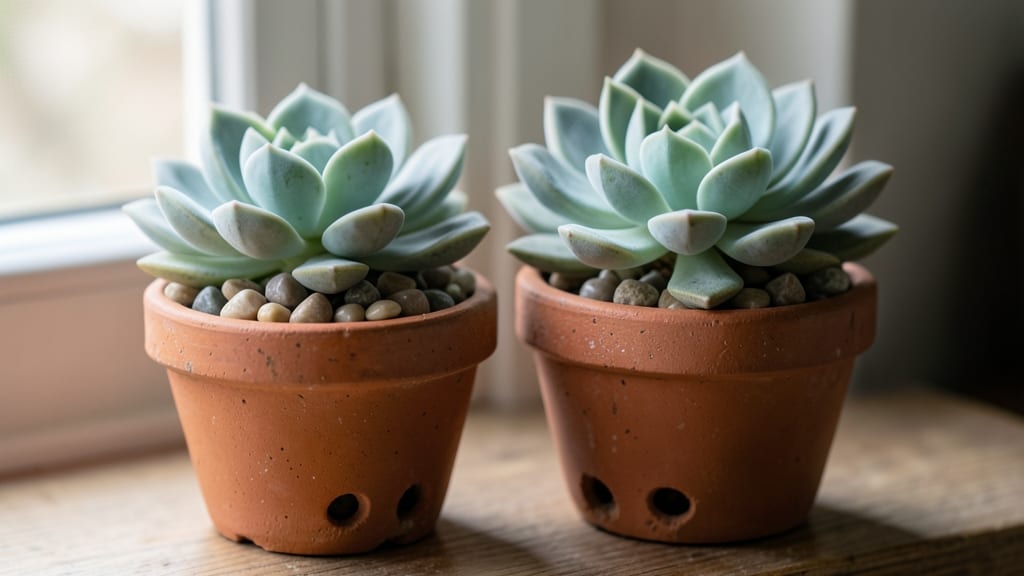
Creating an inside cactus garden that doubles as a privacy screen is one of those projects that feels like magic—living walls that thrive indoors without the fuss of high-maintenance plants. 🌵 I started mine in a sunroom and was amazed how quickly the spiky silhouettes softened the space while adding drama.
The key is picking the right mix of cacti that won’t outgrow their containers too fast or demand constant watering.
You’ll need a sturdy vertical planter system—think stacked pots, hanging pockets, or a custom-built frame—plus cacti that handle low light and infrequent watering. My favorites are rat tail, zebra cactus, and blue columnar types—they stay compact, have striking textures, and need water only every 3-4 weeks.
Add some pebbles or sand for drainage, and you’ve got a self-sustaining desert oasis that actually grows.
By summer, your screen will be a lush, textured barrier with colors ranging from deep greens to silvery blues, all while filtering light beautifully. The best part? It stays "alive" all year—no wilting, no dead branches, just that satisfying slow growth that makes gardening feel rewarding.
Plus, the thorns add a natural privacy that no lattice or fence ever could.
Works in sunrooms, conservatories, or even bright hallways—just rotate the planters occasionally so all sides get even light. Here’s how to arrange yours for maximum impact while keeping care simple.
📚 In This Guide
- What you need
- Instructions
- Tips and common mistakes
- Wrapping up and next steps
What you need
- ● Cactus varieties (5–10 plants per 6-foot section): Barrel cactus (Ferocactus spp.) – 3–5 plants
- ● Prickly pear (Opuntia spp.) – 2–4 plants (great for texture)
- ● Agave (Agave spp.) – 1–2 plants (for bold foliage)
- ● Paddle cactus (Echinocactus spp.) – 2–3 plants (compact and striking)
- ○ Optional: Echeveria or Sedum (succulents for contrast)
- ● Well-draining soil mix (10–15 cubic feet): 50% cactus/succulent soil (pre-mixed or DIY with perlite/pumice)
- ● 30% coarse sand (builder’s sand or horticultural grade)
- ● 20% gravel or pumice (for drainage)
- ○ Mulch (optional but recommended): 3–4 inches of pebbles, decomposed granite, or lava rock (prevents weeds and retains moisture)
- ● Digging & planting tools: Trowel or hand shovel (for small plants)
- ● Garden spade (for larger sections or rocky soil)
- ● Garden gloves (thick, cactus-proof – non-negotiable!)
- ● Measuring & layout tools: Measuring tape (10–25 feet)
- ● Stakes & string (for marking plant spacing)
- ● Level (to ensure even planting depth)
- ● Safety & maintenance: Long-sleeve clothing (to protect from spines)
- ● Pruners (bypass pruners for trimming, sterilized)
- ● Hose with adjustable nozzle (for gentle watering)
- ● Design enhancements: Decorative rocks or wind chimes (for a boho-desert vibe)
- ● Solar-powered landscape lights (to highlight your garden at night)
- ● Irrigation: Drip irrigation kit (for water-efficient care)
- ● Self-watering planters (if planting in containers)
- ● Fertilizers & care: Slow-release cactus fertilizer (apply 2x/year)
- ● Epsom salt (for magnesium boost, 1 tbsp/gal of water)
How to create a desert-inspired cactus privacy screen indoors
Bring the rugged beauty of a desert oasis into your home with a striking vertical cactus garden.
🪴 Step 1: Select and Prepare Containers for Drainage
Choose shallow, wide containers with multiple drainage holes—terracotta planters or repurposed wooden crates work best. I like to use 4-inch deep trays with 12-inch spacing between each to accommodate mature cactus growth. Line the bottom with 1 inch of small gravel to prevent root rot from excess moisture.
For a cohesive look, I select containers in earthy tones—beige, clay, or slate gray—that complement the cactus's natural hues. If using wooden crates, seal them first with a non-toxic outdoor sealant to prevent moisture wicking from the wood. The key here is ensuring water drains freely; cacti despise soggy roots.
🌱 Step 2: Layer Soil and Plant Cacti Strategically
Fill each container with a cactus-specific potting mix—never regular garden soil. This mix should be 60% inorganic (like perlite or pumice) to mimic desert conditions. I add a slow-release fertilizer (like 5-10-5) to the mix for a nutrient boost without risking overfeeding.
Plant cacti in a staggered pattern, starting with the tallest varieties at the back and shorter ones in front. Space them 3-4 inches apart—this ensures airflow and prevents fungal issues. Press the soil lightly around each cactus to secure it, but don’t compact it. You’ll see the roots settle within a week, and the cactus will feel stable.
☀️ Step 3: Position for Bright, Indirect Light
Place your cactus garden near a south- or west-facing window where it gets 6-8 hours of bright, indirect light daily. Direct sunlight can scorch delicate cacti, especially in summer. If natural light is limited, supplement with a grow light placed 12-18 inches away for 12 hours a day. You’ll notice the cacti leaning toward the light—this is their way of seeking more energy.
Rotate the containers quarter-turn weekly so all sides get even exposure. This prevents lopsided growth and keeps the garden looking balanced. If you see pale, stretched-out cacti, they’re not getting enough light—move them closer to the window or increase grow light hours.
💧 Step 4: Water Sparingly and Monitor Soil Moisture
Water only when the top 2 inches of soil feel completely dry—this could be every 2-3 weeks in winter or once a week in summer. I use a spray bottle to mist the soil gently, avoiding the cactus itself to prevent rot. Overwatering is the #1 killer of indoor cacti, so I always check with my finger before watering.
Empty the saucer under each container 30 minutes after watering to prevent root suffocation. If you notice yellowing or mushy stems, you’re overwatering—let the soil dry out completely before trying again. Healthy cacti should feel firm to the touch, not wrinkled or soft.
✂️ Step 5: Prune and Maintain Year-Round
Dust the cacti monthly with a soft brush or damp cloth to keep their spines clean and allow light absorption. I use tweezers to remove any dead or damaged spines carefully—this keeps the garden looking sharp and prevents pests. If a cactus outgrows its spot, repot it into a slightly larger container with fresh mix.
Fertilize once in spring and once in summer with a diluted cactus fertilizer (half the recommended strength). You’ll see new growth and vibrant color as a sign it’s working. For a fuller look, rotate the containers every few months so all sides get equal light exposure. This ensures your privacy screen stays lush and thriving year-round.
Tips & tricks for perfect desert-inspired cactus privacy screens
Creating a stunning indoor cactus privacy screen takes more than just planting—it's about understanding the subtle needs of these desert survivors. Here's what I've learned from years of growing these architectural plants indoors.
The Container Depth Matters: Those 4-inch deep trays aren't arbitrary—they provide just enough room for root development without encouraging overwatering. I've found that shallower containers (like 3-inch deep) can dry out too quickly, while deeper ones (5+ inches) hold excess moisture that cacti despise. The 12-inch spacing between containers is equally crucial; it prevents competition for nutrients and allows you to reach between them for maintenance.
Soil Composition is Non-Negotiable: That 60% inorganic requirement isn't just a suggestion—it's what prevents root rot. I've ruined three cactus gardens by using regular potting mix, and I won't make that mistake again. For the slow-release fertilizer, I recommend mixing it thoroughly into the top 2 inches of soil rather than sprinkling it on surface—this ensures even distribution where the roots are most active. The quarter-turn rotation you do weekly? That's not just for looks—it's how you prevent lopsided growth from light direction.
Light Requirements Need Precision: The 6-8 hours of bright, indirect light is your sweet spot, but here's the secret: if your cacti start stretching toward the light (a condition called etiolation), you're not providing enough. I've seen this happen even with south-facing windows when other plants block light. For grow lights, position them so they're just touching the tallest cacti—any higher and they won't get enough intensity. And that 12-hour grow light cycle? It mimics the natural desert day length perfectly, especially in winter when natural light is scarce.
Watering Technique is an Art: The finger test for those top 2 inches of soil is your best friend—if it feels damp, wait. I've learned the hard way that summer's once-a-week watering can turn deadly in winter when cacti go dormant. That 30-minute saucer emptying isn't just about drainage—it's about preventing salt buildup from mineral deposits that can harm roots over time. When you see those mushy stems, it's already too late for that cactus, but knowing the signs saves your whole garden.
Pro Tips for Inside Cactus Garden
- Creating a stunning indoor cactus privacy screen takes more than just planting—it's about understanding the subtle needs of these desert survivors.
- The Container Depth Matters: Those 4-inch deep trays aren't arbitrary—they provide just enough room for root development without encouraging overwatering.
- Soil Composition is Non-Negotiable: That 60% inorganic requirement isn't just a suggestion—it's what prevents root rot.
Frequently asked questions
What’s the best time of year to plant a cactus garden?
Plant your cactus garden in early spring or late fall when temperatures are mild (60–75°F). Avoid extreme heat or frost—cacti need time to establish roots before summer’s intensity. If you’re in a hot climate, plant in early morning or late afternoon to reduce stress.
How often should I water my cactus garden?
Cacti thrive on infrequent, deep watering. Water once every 2–4 weeks (adjust for rain), letting soil dry completely between sessions. Overwatering is the #1 killer—stick your finger 2 inches into the soil; if it’s damp, wait! Mulch with gravel to retain moisture and deter weeds.
Can I use cacti as a privacy screen in small yards?
Dwarf varieties like Mammillaria or Echeveria work well in tight spaces. Plant them in containers or raised beds for control, and arrange in staggered rows for a lush, thorny barrier. Just ensure they get 6+ hours of sun daily—shady spots stunt growth.
Are cacti really low-maintenance? What pests should I watch for?
Yes, but not zero-maintenance! Watch for mealybugs, scale, or cactus moths (those cute caterpillars turn into destructive larvae). Spray infestations with neem oil or rinse off pests with water. Birds and lizards are your friends—they eat pests naturally! Rotate plants occasionally to prevent soil-borne diseases.
Will my cactus garden survive winter? How do I protect it?
Most cacti are hardy, but tender varieties (like Barrel Cactus) need help in freezing temps. Mulch heavily with straw, wrap potted plants in burlap, or move them to a garage or shed (no heat needed—just shelter from frost). Avoid watering in winter; dormant cacti store moisture well.
What if my cactus garden looks sparse after a year?
Don’t worry—cacti grow slowly! Fill gaps with succulents or ornamental grasses for instant texture. Fertilize lightly in spring with a low-nitrogen, high-phosphorus mix (like 5-10-10) to encourage blooms. If growth stalls, check for root rot (mushy stems = overwatering) or nutrient deficiency (yellowing = needs food).
Wrapping up and next steps
Stepping into a cactus garden isn’t just about embracing desert aesthetics—it’s about creating a low-maintenance, drought-resistant privacy screen that thrives year-round. 🌵 From selecting the right cacti to mastering placement and care, this project blends beauty with practicality, offering a unique way to transform your outdoor space into a serene, sun-drenched retreat.
Ready to bring this vision to life? Start small—pick a single cactus or a cluster—and let your desert-inspired privacy screen grow into something extraordinary!