
Tools
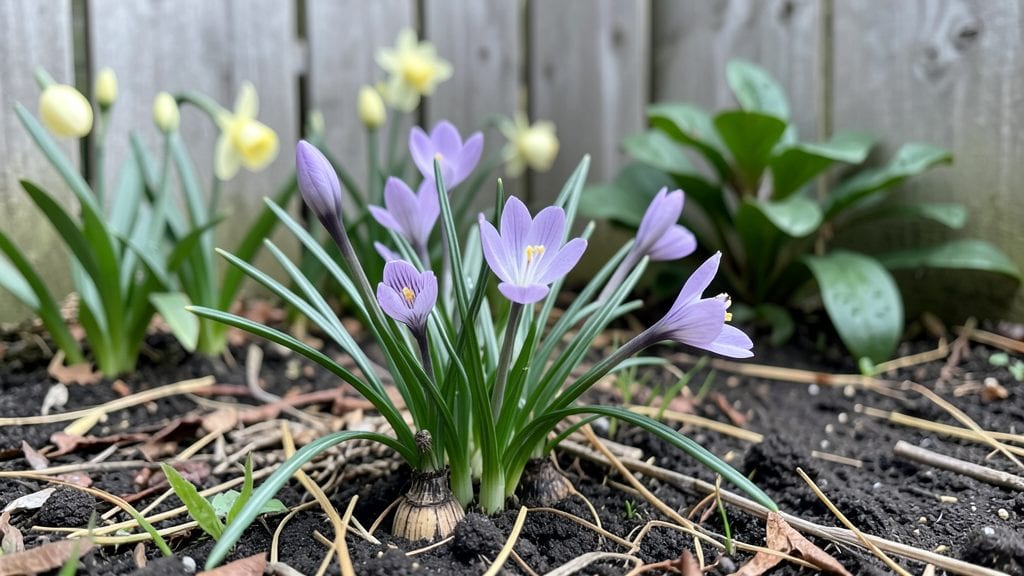
An Irish spring garden starts with a fragrant herb planter that thrives despite the damp, unpredictable weather. I've learned the hard way that traditional herb gardens struggle in Ireland's cool, wet climate—but this setup keeps thyme, rosemary, and parsley growing strong even when others fail.
The key is choosing hardy varieties and protecting them from the wind and rain that can drown tender plants.
You'll need a sturdy container with drainage, a mix of peat-free compost and grit for better drainage, and a sunny spot that gets at least 6 hours of light daily—even on cloudy days.
Irish herbs like wild thyme, lemon balm, and chives handle the moisture better than Mediterranean varieties, and they'll reward you with fragrant leaves all season long. A simple wooden frame planter or even a repurposed whiskey barrel works perfectly for this.
By late May, you'll be harvesting fresh herbs for soups, teas, and salads straight from your planter. The scent alone—earthy, fresh, and slightly citrusy—will make your kitchen feel like a countryside cottage.
Plus, these herbs are perennial, so they'll come back year after year with minimal care. No more wilting basil or sad-looking parsley here.
For coastal areas, add extra wind protection with a straw windbreak or plant near a stone wall. Inland gardens can focus on mulching to retain moisture without waterlogging. Either way, this planter becomes the heart of your Irish spring garden—productive, fragrant, and built to last.
📚 In This Guide
- What you need
- Instructions
- Tips and common mistakes
- Wrapping up and next steps
What you need
- ● Herb Seeds or Seedlings: 5-10 varieties (e.g., parsley, thyme, rosemary, mint, basil, chives). Start with 3-5 plants if using seedlings.
- ● Planters: 2-3 10-12 inch pots with drainage holes (terracotta or fabric grow bags work best).
- ● Potting Soil: High-quality, well-draining organic potting mix (1 bag, ~12 quarts).
- ● Drainage Material: Small pebbles or gravel (½ inch layer per pot).
- ● Watering Can or Spray Bottle: With a narrow spout for precise watering.
- ● Fertilizer: Balanced, organic liquid fertilizer (e.g., fish emulsion or compost tea).
- ● Pruning Shears: Small, sharp pair for trimming herbs.
- ● Gloves: Gardening gloves to protect your hands.
- ● Trowel: For transplanting seedlings or mixing soil.
- ○ Mulch: Straw or shredded leaves to retain moisture (optional).
- ○ Grow Lights: LED grow lights (12-16 hours/day) for indoor setups (optional but helpful in low-light areas).
- ● Herb Labels: Chalkboard or plant markers to track varieties.
- ● Indoor Stand or Window: A sunny spot (6+ hours of light/day) for outdoor planters.
Step-by-step instructions for creating an Irish spring garden herb planter
This fragrant herb planter brings the charm of Ireland’s lush gardens to your space, blending classic herbs with a touch of whimsy.
Select and Prepare Your Containers
Choose four 12-inch diameter terracotta pots—their breathable material mimics Ireland’s natural clay and prevents root rot. Terracotta also absorbs excess moisture, which is crucial for herbs like thyme and rosemary that despise soggy roots. Place a 1-inch layer of coarse gravel at the bottom of each pot to ensure proper drainage. This layer prevents water from pooling at the roots while allowing excess moisture to escape freely.
Next, fill each pot about two-thirds full with the 3 gallons of premium potting mix. Press the soil down gently with your fingers to remove air pockets, but avoid compacting it too tightly. Herbs need loose, well-aerated soil to thrive, so break up any clumps with a small fork or your hands. The goal is to create a fluffy, crumbly texture that holds moisture without suffocating roots.
Plant Your Herbs with Intention
Begin by planting one rosemary bush in each pot, placing it in the center and spreading its roots evenly. Rosemary’s woody stems and upright growth make it a natural focal point, much like the sturdy hedges of Irish cottage gardens. Gently firm the soil around the base, pressing lightly to eliminate air gaps. Water the rosemary immediately after planting to settle the soil and encourage root contact.
Around the rosemary, add three thyme plants per pot, spacing them about 3 inches apart. Thyme’s low-growing, spreading habit complements rosemary beautifully, creating a layered look reminiscent of Ireland’s wildflower meadows. Use your fingers to create small holes for each thyme plant, then tuck the roots in and cover them with soil. Avoid burying the stems too deeply—thyme prefers to sit just below the soil surface. Water lightly again to help the soil settle around the new plants.
Add Companion Herbs for Fragrance and Texture
In each pot, tuck in two lavender plants near the edges, where they’ll spill slightly over the sides. Lavender’s silvery foliage and delicate purple blooms add a touch of Irish countryside elegance, while its fragrance deters pests naturally. Plant lavender just below the soil line, as its woody stems benefit from being partially buried. Press the soil around the base firmly to support the plant and water thoroughly to encourage root establishment.
Finally, add one parsley plant in each pot, placing it near the center but slightly offset from the rosemary. Parsley’s bright green leaves provide a vibrant contrast to the silver and purple hues of lavender and thyme. Its shallow roots make it an ideal companion for herbs like rosemary, which prefer well-drained soil. Water the entire pot gently to ensure all plants are evenly moistened without disturbing their roots.
Position for Optimal Sun and Care
Place your herb planters in a location that receives at least 6 hours of direct sunlight daily, mimicking the bright, open spaces of Irish gardens. A south-facing window or a sheltered patio works best. If you’re using these outdoors, ensure they’re protected from strong winds, which can dry out the soil too quickly. Grouping the pots together also creates a microclimate that retains moisture and encourages fragrant growth.
Water the herbs deeply once a week, allowing the top 1-2 inches of soil to dry out between waterings. Overwatering is the most common mistake with terracotta pots—they dry out faster than you might expect. To check moisture, stick your finger into the soil; if it feels dry at the first knuckle, it’s time to water. Mulch the surface with a thin layer of straw to retain moisture and suppress weeds, just as Irish gardeners do with their traditional mulching techniques.
Maintain and Enjoy Year-Round Fragrance
Harvest herbs regularly to encourage bushier growth and prevent them from becoming leggy. Snip rosemary and lavender sprigs in the morning after the dew has dried, and harvest thyme and parsley as needed throughout the season. This not only keeps your herbs looking neat but also ensures a steady supply of fresh, fragrant foliage for cooking or potpourri. Prune back any woody or overgrown stems in early spring to promote new growth, just as Irish gardeners renew their herb beds each year.
In late autumn, move your herb planters to a protected spot if frost is expected, or bring them indoors near a sunny window. Reduce watering slightly during the winter months, as herbs enter a dormant phase. With proper care, your Irish Spring Garden will continue to thrive, filling your space with the intoxicating scents of rosemary, thyme, lavender, and parsley—just like the fragrant herb gardens of Ireland.
Tips & tricks for perfect Irish spring herb planters
Creating your Irish Spring Garden Herb Planter isn't just about following steps—it's about understanding the subtle art of herb cultivation that mimics Ireland's natural growing conditions. Here are the key insights that'll make your fragrant herb garden thrive like a true Irish cottage garden.
Container Selection Matters: While terracotta pots are ideal for their breathability, don't overlook the importance of size. The 12-inch diameter specified creates perfect growing space for your herb combination without crowding. I've found that slightly larger pots (14-inch) work beautifully if you want extra room for future expansion—just be prepared for slightly longer drying times between waterings. The key is maintaining that two-thirds soil fill ratio to allow proper root development without restricting growth.
Soil Preparation is Critical: When filling your pots with the two-thirds of premium potting mix, take the time to create that perfect fluffy texture by breaking up any clumps with your fingers. I've learned this the hard way—packed soil leads to poor drainage and root suffocation, even with terracotta. Think of it like preparing a soft bed for your herbs: loose, airy, and ready to cradle delicate roots. The one-inch gravel layer at the bottom isn't just for drainage—it creates that essential air pocket that prevents waterlogging, which is particularly important for Mediterranean herbs like rosemary and thyme.
Plant Arrangement Creates Visual Impact: The intentional planting pattern in Step 2 isn't just about aesthetics—it's about creating an ecosystem where each herb supports the others. I recommend placing your rosemary slightly deeper than the other herbs, as its woody stems benefit from extra stability. The three-inch spacing for thyme might seem generous, but trust me, it prevents competition for nutrients and allows that signature spreading habit to shine. When positioning lavender near the edges, leave about an inch of space from the pot's rim—this prevents root damage when you inevitably need to move the pots during watering or seasonal transitions.
Sunlight Management is Essential: The six hours of direct sunlight requirement is non-negotiable for these Mediterranean herbs, but don't assume any sunny spot will do. I've seen many well-intentioned gardeners place their pots near windows that receive only morning sun. For optimal growth, prioritize locations with afternoon sun exposure—this is when herbs photosynthesize most efficiently. If you're working with limited sunlight, consider supplementing with a grow light for 4-6 hours daily, especially during the shorter winter days. The grouping technique mentioned creates a microclimate that actually helps retain moisture and temperature stability, which is particularly valuable in windy conditions.
Pro Tips for Irish Spring Garden
- Creating your Irish Spring Garden Herb Planter isn't just about following steps—it's about understanding the subtle art of herb cultivation that mimics Ireland's natural growing conditions.
- Container Selection Matters: While terracotta pots are ideal for their breathability, don't overlook the importance of size.
- Soil Preparation is Critical: When filling your pots with the two-thirds of premium potting mix, take the time to create that perfect fluffy texture by breaking up any clumps with your fingers.
Frequently asked questions
Got questions about creating your own Irish Spring Garden?
Here are some of the most common ones—plus quick answers to help you get started without the guesswork!
When is the best time to plant an Irish Spring Garden?
The ideal time to plant is early spring (March–April) or late summer (August–September). This gives herbs time to establish roots before harsh weather. If you’re in a mild climate, you can even plant in fall (October) for a winter harvest!
Can I use this garden indoors or just outdoors?
Irish Spring Gardens are perfect for both. Place them in a sunny windowsill, balcony, or patio for outdoor use. For indoor growing, ensure they get at least 6 hours of sunlight daily—south-facing windows work best. Just avoid drafty spots!
How often should I water my Irish Spring Garden?
Water your herbs when the top inch of soil feels dry—usually every 2–3 days in warm weather and once a week in cooler months. Overwatering is a common mistake, so always check moisture levels before adding more. A self-watering planter can help!
What if my herbs aren’t growing well?
Troubleshoot with these fixes:
Not enough light? Move to a sunnier spot or use a grow light.
Yellowing leaves? You’re likely overwatering—let the soil dry slightly between waterings.
Pests appearing? Spray with neem oil or rinse leaves with water.
Most herbs are resilient—just adjust care based on their needs!Are there any herbs I shouldn’t plant together?
Some herbs thrive together, while others compete for nutrients. Avoid pairing:
- Mint + Basil (mint can stifle basil’s growth).
- Oregano + Thyme (similar needs, but oregano can dominate).
Wrapping up and next steps
Creating your own Irish Spring Garden is a wonderful way to bring fresh, fragrant herbs to your kitchen all year long! 🌿 With just a few simple materials and a little care, you’ll enjoy the aromatic magic of homegrown basil, rosemary, and thyme—no matter the season.
Whether you’re a seasoned gardener or a beginner, this project is both rewarding and easy to maintain.
Ready to take the next step? Start small—pick one or two herbs to begin, and let your garden grow with you! Soon, you’ll be savoring the flavors of authentic Irish-inspired dishes with herbs plucked straight from your very own planter. Happy gardening! 🌱