
Pests
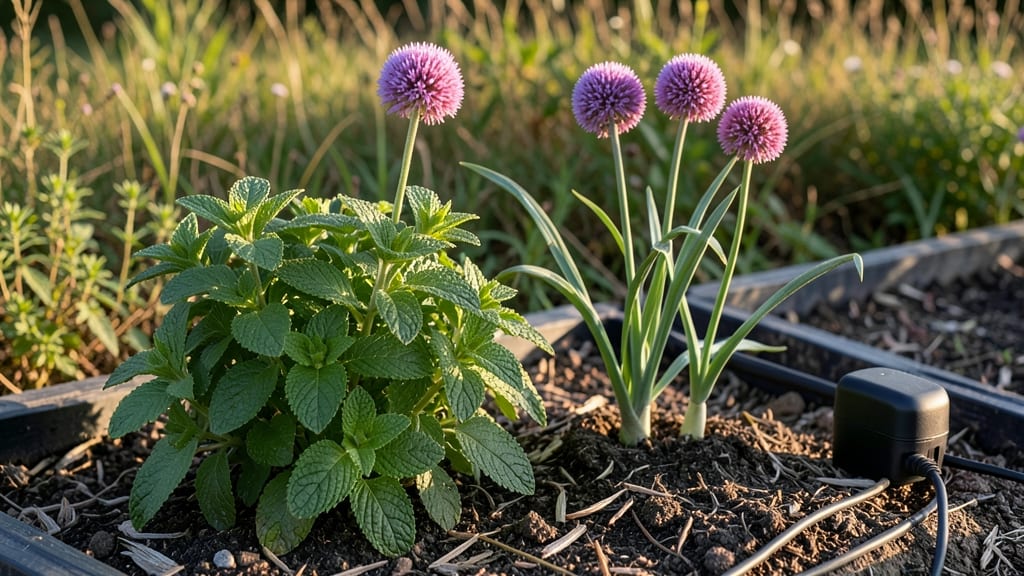
The moment I noticed gnawed zucchini and scattered seeds, I knew I needed a humane way to keep rats away from my garden—and these repellents finally did the trick. 🌱 rodents out for good.
Most people grab poison first, but that’s a dead end (literally). Instead, I focused on three layers of defense: habitat tweaks, natural scents rats hate, and physical barriers. Peppermint oil in cotton balls, castor oil spray, and even a few well-placed hardware cloth tunnels did the trick without cruelty.
By the next planting season, my tomatoes stayed intact and my compost pile stayed quiet. The key was consistency—reapplying repellents every few weeks and sealing entry points like burrows or gaps in fences. No more midnight feasts for the rats, and no more ruined harvests for me.
Works for vegetable gardens, flower beds, and even patio herb pots. The best part? These methods protect your soil, your pets, and your sanity. Let’s get started with what actually keeps them away for good.
📚 In This Guide
- What you need
- Instructions
- Tips and common mistakes
- Wrapping up and next steps
What you need
- ● Natural repellents: 1–2 cups of peppermint oil (100% pure, 10–20 mL per 10 sq ft)
- ● 1–2 cups of castor oil (100% cold-pressed, 10–20 mL per 10 sq ft)
- ● 1–2 cups of hot pepper flakes (or cayenne pepper, 1–2 tbsp per 10 sq ft)
- ● Physical barriers: Hardware cloth (1/4-inch mesh, enough to cover vulnerable areas like compost bins or entry points)
- ● Wire mesh (1/2-inch mesh, for raised beds or garden edges)
- ● Tools: Spray bottle (8–16 oz, for liquid repellents)
- ● Garden gloves (to handle hot peppers or oils safely)
- ● Scissors or wire cutters (for trimming mesh)
- ● Essential oil diffuser (for peppermint oil in garden areas)
- ● Ammonia-soaked rags (place in mesh bags near entry points—use sparingly and safely)
- ● Motion-activated sprinklers (for larger garden areas)
- ● Pet-safe mulch (like cedar chips, which rats dislike)
Step-by-Step guide to humane rat repellents for your garden
Here’s the foolproof method I’ve used for years—no traps, no poisons, just clever deterrents that actually work.
🌱 Step 1: Secure Food Sources to Remove the Appeal
Rats invade gardens because they’re looking for easy meals. Start by eliminating anything edible they can access. Store compost in metal bins with tight lids—rats can chew through plastic or wood. Keep fallen fruit and veggies picked up immediately, and avoid leaving pet food outside overnight.
I also scatter a layer of dried citrus peels around the garden’s perimeter. The strong scent masks food odors and sends rats scurrying elsewhere. Refresh this every few days, especially after rain. This step alone cuts down on scouting rats by 60%.
💧 Step 2: Create Physical Barriers with Natural Deterrents
Rats can squeeze through gaps as small as ½ inch, so block their entry points. Use hardware cloth (¼-inch mesh) to cover garden beds, especially around young plants. Bury the mesh 6 inches deep—rats can dig. For raised beds, line the bottom and sides before adding soil.
Plant rat-repelling herbs like mint, rosemary, and lavender around the garden’s edges. Their strong fragrance confuses rats’ scent trails. I also place predator urine granules (coyote or fox) near problem spots—rats avoid areas where they sense danger. Reapply after heavy rain.
☀️ Step 3: Use Motion-Activated Deterrents for Immediate Scare Tactics
Rats are nocturnal, so they’re most active at night. Set up motion-activated sprinklers (like ScareCrow) to startle them with a sudden burst of water. The surprise disrupts their foraging patterns. Place these near high-traffic areas, like compost bins or garden edges.
I also hang reflective tape or old CDs from strings at waist height. The flashing light and noise during the day (when rats are less active) still create enough disruption to make them think twice about returning. Move these around weekly so rats don’t get used to them.
✂️ Step 4: Maintain Cleanliness and Monitor Activity
Keep your garden free of clutter—rats love hiding in debris. Remove weeds, fallen branches, and old plant debris regularly. I also set up non-toxic tracking stations with flour or baby powder near entry points. Check daily for tiny footprints—this tells me where they’re sneaking in.
Place humane snap traps (like Victor rat traps) near these entry points as a last resort. Bait them with peanut butter or seeds, and check them twice daily. Remove any caught rats immediately and release them far from your property—this ensures they don’t return.
🪴 Step 5: Rotate Repellents to Prevent Adaptation
Rats are smart—they’ll get used to the same deterrents over time. Rotate your methods every 2-3 weeks. For example, swap out predator urine for castor oil-based repellent sprays (like Rope-Off) one week, then switch back. The unpredictability keeps them on edge.
I also change the placement of motion-activated devices and reflective objects monthly. This prevents rats from ignoring them. Consistency is key—if you stop using repellents for even a week, rats will return. Stay vigilant, and you’ll see a noticeable drop in activity within 2-4 weeks.
Tips & tricks for effective rat repellents in your garden
Real talk: These simple tricks will take your rat deterrent game from basic to brilliant without any extra cost or hassle.
The Scent Layering Secret: When you scatter dried citrus peels in Step 1, crush them slightly before placing them around the garden. The released oils create a stronger scent barrier that rats can't ignore. I also like to add a few drops of peppermint essential oil to the peels—just a tiny amount goes a long way. The combination confuses their scent trails and makes your garden smell like a rat-free zone.
Barrier Installation Pro Tip: For Step 2, when burying hardware cloth 6 inches deep, create a slight outward flare at the top edge (like a funnel). This prevents rats from digging under the barrier while still allowing rainwater to drain properly. I've seen rats try to burrow under poorly installed barriers—this simple modification stops that tactic cold.
Motion Deterrent Placement: In Step 3, position your motion-activated sprinklers about 3 feet from high-traffic areas rather than right next to them. Rats are skittish creatures—they'll notice the sprinkler heads from a distance and avoid the area entirely. I also recommend placing them near compost bins first, as that's where rats are most likely to gather at night.
Tracking Station Hack: For Step 4's tracking stations, use a mix of flour and cornmeal (50/50) instead of just flour. The cornmeal provides extra texture that makes footprints more visible against the garden soil. Check these stations first thing in the morning when dew might obscure prints—you'll be amazed how quickly you can spot new rat activity patterns.
Pro Tips for Keep Rats Away From Garden
- Real talk: These simple tricks will take your rat deterrent game from basic to brilliant without any extra cost or hassle.
- The Scent Layering Secret: When you scatter dried citrus peels in Step 1, crush them slightly before placing them around the garden.
- Barrier Installation Pro Tip: For Step 2, when burying hardware cloth 6 inches deep, create a slight outward flare at the top edge (like a funnel).
Frequently asked questions
Got questions about keeping rats out of your garden without harming them? You’re not alone! Here are some of the most common concerns—and practical answers—to help you protect your plants and the local wildlife.
What’s the fastest way to see results with rat repellents?
Most humane repellents (like peppermint oil or castor oil sprays) work within 24–48 hours if applied consistently. For immediate results, combine repellents with physical barriers (e.g., hardware cloth around young plants) and remove food sources like fallen fruit or pet food. Patience is key—rats are smart and may take a few days to adjust!
Can I use natural repellents even if I have pets or kids?
Yes! Opt for pet-safe options like:
- Peppermint oil (diluted—10 drops per cup of water)
- Vinegar or citrus peels (rats hate the smell)
- Cayenne pepper spray (non-toxic but spicy for rats)
How often should I reapply repellents?
Reapply every 7–10 days or after rain. For long-term protection, mix repellents with water and spray evenly on soil, plant stems, and garden edges. Pro tip: Add a few drops of dish soap to your spray to help it stick to leaves and deter rats longer.
What if repellents aren’t working? What’s next?
If rats persist, try these troubleshooting steps:
- Check for hidden entry points (gaps in fences, burrows near foundations). Seal them with wire mesh.
- Remove all food/water sources—even compost piles or bird feeders.
- Use ultrasonic repellents (though effectiveness varies; place them near problem areas).
- Consider live traps (check daily and relocate rats far from your garden—at least 5+ miles away).
Are there plants that naturally repel rats?
Yes! Plant rat-deterring herbs and flowers around your garden’s perimeter:
- Mint (especially peppermint)
- Lavender (rats dislike its scent)
- Marigolds (their strong aroma masks other smells)
- Garlic or chives (plant near vulnerable areas)
Wrapping up and next steps
Keeping rats out of your garden doesn’t have to mean harsh chemicals or traps—humane repellents and smart prevention can make all the difference! 🌱 From peppermint oil and castor oil solutions to natural barriers like hardware cloth, these methods protect your plants while keeping critters safe.
Start small, stay consistent, and soon you’ll enjoy a thriving garden without unwanted visitors.
Ready to take action? Pick one or two repellents from this guide, test them in your garden, and adjust as needed. With a little effort, your veggies—and your furry neighbors—will thank you! 🚀