
Tools
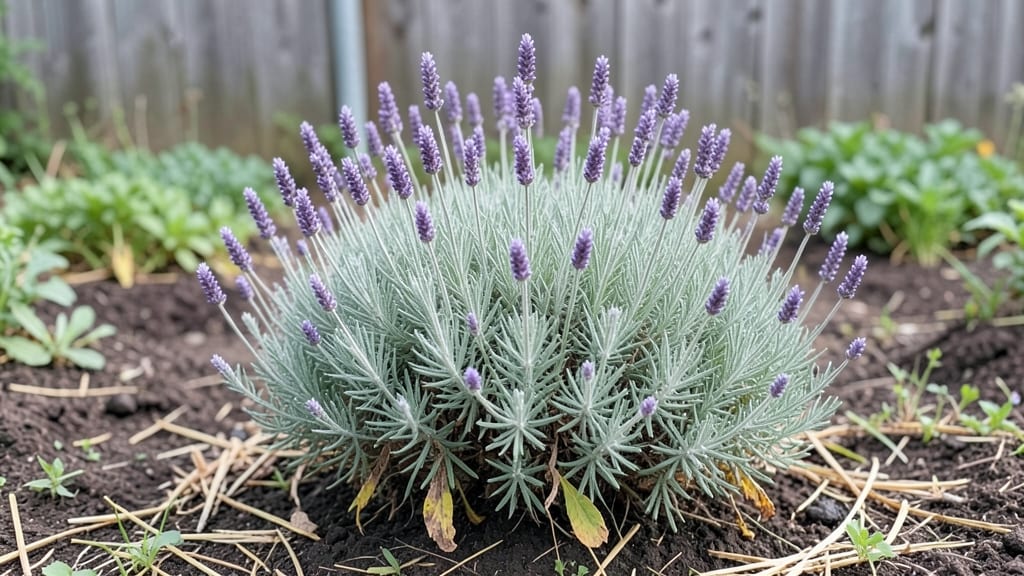
A lavender backyard garden transforms your outdoor space into a fragrant sanctuary that keeps pests at bay while looking stunning. 🌿 I still remember the first time I walked through my neighbor’s lavender hedge—the air smelled like a French countryside, and not a single mosquito dared to buzz.
That’s the power of lavender: it’s both beautiful and functional.
Start by choosing a sunny spot with well-draining soil—lavender hates soggy roots. Plant in spring or early fall, spacing bushes 2-3 feet apart for that lush, hedge-like look. Mix varieties like English lavender for height or Spanish lavender for a bushier form.
The key is keeping it low-maintenance: prune lightly after flowering and water only when the soil feels dry.
Your garden will reward you with silver-gray foliage that shimmers in the sun, clusters of purple blooms that attract bees, and an intoxicating scent that lingers long after you’ve walked past.
Lavender also deters flies, moths, and even fleas—nature’s own pest control. Plus, it pairs perfectly with rosemary, thyme, or even ornamental grasses for a cohesive, fragrant border.
For extra impact, plant lavender along pathways or near seating areas where you can brush past the stems and release that signature aroma. In colder climates, mulch heavily to protect roots—lavender’s hardy but not frost-proof.
With just a little care, your backyard will become the envy of the neighborhood, and your senses will thank you every time you step outside.
📚 In This Guide
- What you need
- Instructions
- Tips and common mistakes
- Wrapping up and next steps
What you need
- ● Lavender Plants: 5–10 healthy lavender plants (choose English, French, or Spanish lavender based on your climate).
- ● Well-Draining Soil: 2–3 cubic yards of sandy or gravelly soil mix (or amend clay soil with perlite/coarse sand).
- ● Compost: 1–2 bags of organic compost to enrich the soil.
- ● Mulch: 1–2 bags of gravel or pebbles (lavender hates wet roots!).
- ● Garden Gloves: 1 pair (to protect your hands from prickly stems).
- ● Hand Trowel: 1 (for planting and soil adjustments).
- ● Watering Can or Hose: With a gentle spray nozzle (lavender hates soggy soil!).
- ● Pruning Shears: Sharp, clean pair (for shaping and maintenance).
- ● Measuring Tape: 1 (to space plants 18–24 inches apart).
- ● Sunlight: A full-sun spot (6+ hours/day)—lavender thrives in bright light! ☀️
- ● Decorative Edging: Stones, bricks, or metal borders to define your garden.
- ● Drip Irrigation System: For low-maintenance watering (lavender prefers drought conditions).
- ● Lavender Companion Plants: Rosemary, thyme, or marigolds (to boost pest control!).
- ● Garden Stakes or Labels: To mark varieties (especially if you’re growing multiple types).
- ● Outdoor String Lights: For a magical evening ambiance. 🌙✨
Step-by-step instructions for planting a lavender backyard hedge
Here’s how to create a fragrant, pest-repelling lavender hedge that thrives with minimal fuss.
🌱 Step 1: Choose the Right Location and Soil
Lavender demands full sun—at least 6-8 hours daily—and well-draining soil. I always pick the driest, sunniest spot in my yard because lavender hates soggy roots. If your soil is heavy clay, amend it with 3-4 inches of coarse sand or gravel mixed into the top 12 inches of soil.
Test drainage by digging a 6-inch hole, filling it with water, and watching how quickly it drains. If water pools after 30 minutes, you’ll need to raise the planting area with 2-3 inches of gravel or plant in elevated containers. Lavender roots rot faster than you’d think in compacted soil.
🪴 Step 2: Plant Lavender at the Correct Spacing and Depth
Dig holes twice as wide as the root ball but no deeper—lavender roots need to sit just below soil level to avoid rotting. Space plants 2-3 feet apart for a dense hedge; closer spacing works for informal, bushier growth. I use a 12-inch spacing for a more structured look.
Remove plants from their nursery pots and loosen roots if they’re circling. Place each in its hole, backfill with native soil (no compost—it’s too rich), and press gently to eliminate air pockets. Water deeply once to settle the soil, but don’t overdo it—lavender’s roots need air, not waterlogged conditions.
☀️ Step 3: Prune and Shape for a Neat Hedge
Wait 2-3 weeks after planting before pruning to let roots establish. Then, trim back one-third of the previous year’s growth in early spring, just as new shoots appear. Use sharp shears to cut at a 45-degree angle to encourage bushier growth.
For a formal hedge, shape with clean, vertical cuts every 4-6 weeks during the growing season. Avoid cutting into old wood—lavender blooms on new growth, so prune right after flowering to maintain its fragrance and pest-repelling oils. Never prune into bare stems; always leave green growth behind.
💧 Step 4: Water and Mulch for Long-Term Success
Water lavender deeply once a week—or when the top 2 inches of soil feel dry—but never let it sit in moisture. I use a soaker hose to deliver water at the base, avoiding wetting the foliage, which can cause fungal issues. Once established (after 1-2 years), lavender needs almost no watering—drought tolerance is its superpower.
Apply a 2-inch layer of gravel mulch around plants (but not touching stems) to reflect sunlight, deter weeds, and improve drainage. Organic mulches like wood chips retain too much moisture, so stick with pebbles or crushed stone. This also keeps the soil warmer in winter, protecting roots from freeze-thaw cycles.
⏰ Step 5: Maintain Through Seasons for Peak Performance
In early spring, fertilize lightly with a balanced, slow-release fertilizer (like 10-10-10) if your soil is poor. Too much nitrogen makes lavender leggy and reduces its fragrance. I skip fertilizer entirely if my soil is amended well—lavender thrives on neglect once established.
Watch for aphids or spider mites (they love lavender too). Spray with neem oil or insecticidal soap if you see sticky residue or tiny webs. Deadhead spent blooms in late summer to encourage a second flush of flowers. By fall, reduce watering to once every 2-3 weeks unless your region has extreme drought.
Tips & tricks for perfect lavender backyard hedges
A few strategic moves will ensure your lavender hedge thrives for years while keeping pests at bay. Here's what I've learned from years of growing these fragrant beauties.
Sunlight Secret: That 6-8 hours of full sun isn't negotiable—lavender wilts in shade. I've seen plants struggle in just 4 hours of sun, turning leggy and losing their signature fragrance. If your yard has partial shade, consider container planting where you can move them to sunnier spots seasonally. The more sunlight, the more potent those pest-repelling oils become.
Soil Science: The 30-minute drainage test is your best friend. I've had lavender plants rot within weeks because I skipped this step in heavy clay soil. For tough clay conditions, mix in equal parts sand and native soil—this creates the perfect airy environment lavender roots crave. Pro tip: Add a handful of perlite to your planting holes for extra drainage insurance.
Pruning Precision: Those 2-3 weeks before first pruning are crucial—they give roots time to establish. I've made the mistake of pruning too early and ended up with stunted growth. When shaping your hedge, always cut at a 45-degree angle—this creates more surface area for new growth while maintaining that clean, structured look. And remember: never prune into bare stems, even if it's tempting to tidy up.
Mulch Mastery: That 2-inch gravel mulch isn't just decorative—it's a game-changer. The gravel reflects sunlight back to the plants, keeping them warmer in winter while preventing soil compaction. I've seen organic mulches like wood chips actually harm lavender by retaining too much moisture. Stick with pebbles or crushed stone, and keep them 2 inches away from stems to prevent rot.
Pro Tips for Lavender Backyard Garden
- A few strategic moves will ensure your lavender hedge thrives for years while keeping pests at bay.
- Sunlight Secret: That 6-8 hours of full sun isn't negotiable—lavender wilts in shade.
- Soil Science: The 30-minute drainage test is your best friend.
Frequently asked questions
Got questions about creating your dream lavender backyard garden? You’re not alone! Here are some of the most common queries—plus straightforward answers to help you grow with confidence.
When is the best time to plant lavender in my backyard?
The ideal time to plant lavender is in early spring or early fall when temperatures are mild (50–75°F). Avoid planting in summer’s scorching heat or winter’s frost, as lavender is sensitive to extreme conditions. If you’re in a warmer climate, fall planting works best to establish roots before summer.
Does lavender really repel pests naturally?
Lavender’s strong fragrance deters pests like mosquitoes, moths, fleas, and even deer. Planting it near entryways, patios, or vegetable gardens creates a natural barrier. For extra protection, crush a few stems and rub them on skin or place bundles in drawers to repel clothes moths.
How much water does lavender need, and will it survive drought?
Lavender is drought-tolerant once established—overwatering is its biggest enemy! Water deeply once a week (or when the top inch of soil is dry) for the first year. After that, let the soil dry out completely between waterings. Mulch lightly (but avoid piling it around the base) to retain moisture without suffocating roots.
Can I grow lavender in containers, or does it need a garden bed?
Yes! Lavender thrives in containers if they have drainage holes and well-draining soil. Use a mix of potting soil, perlite, and coarse sand. Choose shallow pots (lavender has shallow roots) and place them in full sun. Containers let you move plants to avoid winter frost or adjust for optimal sunlight.
How do I protect lavender from winter cold?
Most lavender varieties (like English or French lavender) are hardy to USDA Zones 5–9. For colder climates (below 10°F), mulch the base with gravel or straw (not wood chips, which retain moisture). In pots, move plants to a sheltered spot or wrap them in burlap. Prune lightly in late winter to encourage new growth.
Why is my lavender turning brown or dying?
Brown, crispy lavender often signals overwatering, poor drainage, or fungal issues. Check soil moisture—lavender prefers dry conditions. If leaves yellow, it may need more sun (at least 6–8 hours daily). For fungal problems, trim affected stems and avoid wetting foliage when watering.
Wrapping up and next steps
Creating a lavender backyard garden is more than just a fragrant addition to your space—it’s a natural, low-maintenance way to beautify your home while keeping pests at bay. 🌿 With the right soil, sunlight, and a few simple tips, you’ll enjoy a thriving hedge that smells amazing and works hard for you.
Ready to take the next step? Start small—plant a few lavender bushes or cuttings this weekend, and watch your garden transform into a peaceful, pest-free paradise. Happy gardening! 🌸