
Tools
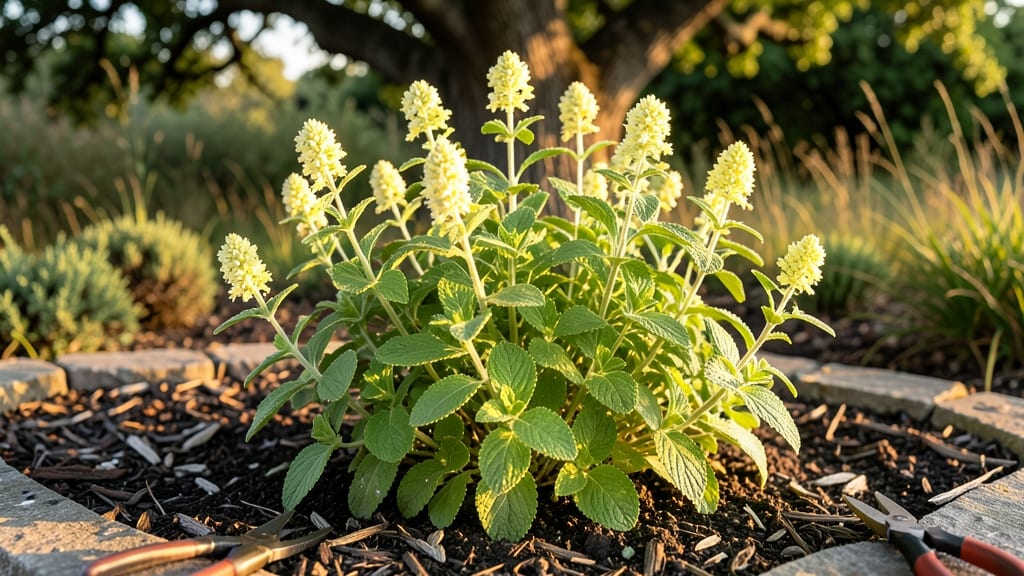
A lemon balm garden turns any corner into a fragrant sanctuary with almost no effort. 🌿 I’ve watched this hardy perennial spread through my yard like a living carpet, its bright green leaves releasing that signature citrusy scent when brushed—nature’s free air freshener.
The best part? It grows wild in partial shade, thrives in containers, and even deters pests while looking stunning in borders or herb spirals.
Start by choosing a spot with morning sun and afternoon shade—it’s forgiving but flourishes with just a few hours of light daily. Pair it with companion plants like mint (to contain its spread), lavender (for pollinators), or even strawberries (for a dual-purpose bed).
For containers, a 12-inch pot works wonders, while in-ground plantings can be spaced 18 inches apart to control its vigorous growth.
By midsummer, you’ll have lush foliage perfect for teas, pest-repellent sprays, or simply brushing leaves to release that fresh lemon aroma. The plant’s resilience means minimal maintenance—just occasional trimming to keep it tidy and prevent it from taking over. It’s the ultimate low-maintenance star for both functional and decorative gardens.
Works equally well in formal herb gardens, cottage-style borders, or even as a living ground cover under trees. Whether you’re growing for scent, harvest, or just beauty, lemon balm delivers—with almost no fuss at all.
📚 In This Guide
- What you need
- Instructions
- Tips and common mistakes
- Wrapping up and next steps
What you need
- ● Lemon balm seeds or nursery plants: Seeds: 1 packet (500–1,000 seeds) or 10–20 plants (for a small garden patch, ~3' x 3').
- ● Pro tip: Buy organic seeds or plants to avoid pesticides! 🌱
- ● Well-draining soil: 1–2 bags of garden soil mix (or compost-amended native soil).
- ● Compost or organic fertilizer: 1–2 bags (5–10 lbs) for nutrient-rich soil.
- ● Watering can or hose: With a gentle spray nozzle for even moisture.
- ○ Garden gloves: 1 pair (optional but helpful for handling soil and plants).
- ● Pruning shears: Small, sharp pair for harvesting or trimming.
- ○ Mulch (optional): Straw or shredded leaves (1–2 bags) to retain moisture.
- ● A sunny or partially shaded spot (4–6 hours of sunlight daily).
- ● Space: Lemon balm spreads! Allocate at least 3’ x 3’ per plant (or contain it in pots).
- ● Patience: Germination takes 10–20 days; full growth in 60–90 days.
- ● Pro tip: Test soil pH (ideal: 6.0–7.0) with a kit if unsure! 🌡️
Step-by-Step instructions for planting a thriving lemon balm garden
This hardy herb spreads like wildfire—literally!—but that’s exactly why it’s so rewarding to grow.
🌱 Step 1: Choose the Perfect Spot for Maximum Growth
Lemon balm loves sun but tolerates shade, making it one of the most forgiving perennials. Pick a location that gets at least 4-6 hours of sunlight daily—morning sun with afternoon shade works well in hotter climates. The plant thrives in well-draining soil, so avoid low spots where water pools after rain.
I always test the soil by digging a small hole and filling it with water. If it drains within 10-15 minutes, you’re golden. If water lingers, amend the area with a 2-inch layer of compost to improve drainage. Lemon balm spreads aggressively, so plant it where it can roam—like near a fence, along a property line, or in a dedicated herb bed.
🪴 Step 2: Plant Lemon Balm Starts or Divide Existing Clumps
You can grow lemon balm from seed, but it’s much faster to plant nursery starts or divide established clumps in early spring. Dig holes twice as wide and just as deep as the root ball—this encourages roots to spread outward instead of staying compacted. Space plants 18-24 inches apart to give them room to multiply.
Gently remove the plant from its container and loosen any circling roots with your fingers. Place it in the hole so the top of the root ball sits just below soil level—burying the crown too deep can cause rot. Backfill with soil and pat it down lightly to eliminate air pockets. Water deeply right after planting to help roots settle in.
💧 Step 3: Water and Mulch for Lush, Fragrant Growth
Lemon balm is drought-tolerant once established, but young plants need consistent moisture. Water deeply once a week during the first growing season, aiming for 1 inch of water per week. You’ll know it’s time to water when the top 2 inches of soil feel dry to the touch. Overwatering is the biggest mistake—it leads to root rot and weak growth.
Spread a 2-inch layer of mulch around the base of the plant, keeping it 2 inches away from the stem to prevent rot. I use shredded bark or straw because they break down slowly and retain moisture. Mulch also suppresses weeds, which lemon balm happily crowds out on its own. After a few weeks, you’ll notice new shoots popping up—this is the plant’s natural way of spreading!
✂️ Step 4: Prune and Harvest for Continuous Abundance
Regular pruning keeps lemon balm bushy and encourages more growth. Cut back stems by one-third in early spring to promote new shoots, and trim again after flowering to prevent seed production. You can also pinch back tips throughout the season to maintain a compact shape—just avoid cutting into woody stems, as they won’t regrow.
Harvest leaves anytime the plant is actively growing, but early morning is best when essential oils are most concentrated. Snip stems just above a leaf node to encourage branching. Dry leaves for teas or freeze them in ice cube trays for later use. The more you harvest, the bushier the plant grows—it’s like free regrowth!
☀️ Step 5: Overwinter and Prepare for Next Year’s Spread
Lemon balm is hardy to USDA Zone 4, meaning it survives winter in most climates. In colder areas, a 3-inch layer of mulch protects roots from freezing. Come spring, you’ll see the plant bounce back stronger than ever—often sending up new shoots from underground runners.
If lemon balm spreads too aggressively, dig up unwanted sections in early spring and replant them elsewhere or share with friends. This herb is so generous, it’s practically begging to be divided! With minimal care, your lemon balm garden will flourish for years, filling your space with its signature citrusy scent and vibrant green foliage.
Tips & tricks for perfect lemon balm growth
Ready to turn your garden into a fragrant paradise? These game-changing tips will help you cultivate lemon balm that's lush, vigorous, and practically self-sustaining!
Sunlight Strategy: While lemon balm tolerates partial shade, it truly thrives with that 4-6 hours of sunlight daily mentioned in Step 1. I've found that morning sun with afternoon shade works best in hot climates—it prevents leaf scorch while still giving the plant enough energy to grow. If you're in a particularly shady spot, consider using grow lights for 6-8 hours daily during the growing season. The more sunlight, the more intense that lemony aroma becomes!
Soil Test Hack: That 10-15 minute drainage test in Step 1 is your secret weapon! I take it a step further by doing the test in multiple spots around your potential planting area. Lemon balm hates soggy feet—if water pools after 15 minutes in any spot, that's where you'll want to add that 2-inch layer of compost before planting. Pro tip: Mix in a handful of perlite or coarse sand to further improve drainage in heavy clay soils.
Planting Depth Secret: When you're placing your lemon balm in the hole during Step 2, remember that "just below soil level" means the top of the root ball should be about ½ inch below ground. This subtle difference prevents crown rot while ensuring strong root establishment. I also recommend adding a handful of worm castings to the planting hole—they're like nature's fertilizer and give your plant an instant energy boost.
Overwintering Boost: For that 3-inch layer of mulch in Step 5, I swear by using a combination of straw and fallen leaves. The straw provides insulation while the leaves break down slowly, adding organic matter to the soil. In particularly cold climates (below Zone 4), add an extra layer of burlap or frost cloth over the mulch for that first month of winter. Your lemon balm will thank you with even more vigorous growth come spring!
Pro Tips for Lemon Balm Garden
- Ready to turn your garden into a fragrant paradise?
- Sunlight Strategy: While lemon balm tolerates partial shade, it truly thrives with that 4-6 hours of sunlight daily mentioned in Step 1.
- Soil Test Hack: That 10-15 minute drainage test in Step 1 is your secret weapon!
Frequently asked questions
How fast does lemon balm grow?
Lemon balm is a fast grower—expect to see noticeable growth in just 2-3 weeks after planting! With the right conditions (sunlight, water, and soil), it can reach 2-4 feet tall in a single season. Pro tip: Pinch back stems early to encourage bushier, more fragrant plants!
When is the best time to harvest lemon balm?
Harvest lemon balm morning to midday when essential oils are at their peak. Start harvesting 4-6 weeks after planting and continue throughout the growing season (spring to fall). Snip leaves just above a leaf node to encourage regrowth. Bonus: Harvest before flowering for the strongest flavor!
Can lemon balm spread too much? How do I control it?
Yes! Lemon balm is a vigorous spreader and can take over if unchecked. To control it, trim it back regularly or plant it in containers with deep sides. For garden beds, divide clumps every 2-3 years to manage growth. Warning: It’s invasive—keep it contained unless you want a fragrant (but dominant) garden!
What’s the best way to use lemon balm from my garden?
Lemon balm is versatile! Use fresh leaves in tea, salads, or cocktails (it tastes like a citrusy mint). Dry it for herbal remedies or potpourri. Fun fact: It’s also a natural mosquito repellent—crush leaves and rub on skin! Store fresh leaves in the fridge for up to 5 days or freeze for longer shelf life.
Is lemon balm safe for bees and pollinators?
Absolutely!
Lemon balm is a bee magnet and attracts pollinators like butterflies and hummingbirds. Its nectar-rich flowers make it a great addition to pollinator-friendly gardens. Tip: If you’re growing it for tea, let some flowers bloom to support local wildlife!
Wrapping up and next steps
Creating a lemon balm garden is a rewarding way to enjoy nature’s calming scents and versatile benefits—all with minimal effort! This fragrant perennial thrives in almost any space, from sunny windowsills to shady corners, offering tea, remedies, and beauty treatments right from your backyard.
Whether you’re a seasoned gardener or just starting out, lemon balm’s resilience and charm make it the perfect addition to your green sanctuary.
Ready to dive in? Start small—plant a few cuttings this weekend, and soon you’ll be harvesting fresh leaves to steep in tea or share with friends. Your future self (and your senses!) will thank you. 🌿✨