
Tools
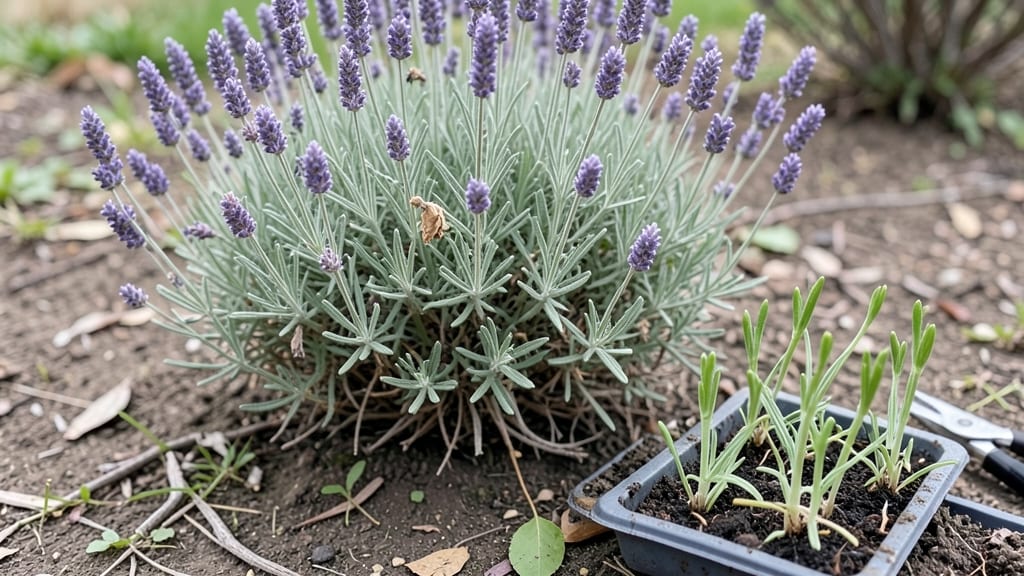
Willy nilly gardening isn't about rules—it's about letting plants do what they do best. 🌿 I stumbled onto this approach after years of over-planning and still ending up with patchy beds, and honestly, it changed everything.
The philosophy is simple: choose plants that thrive together naturally, arrange them loosely, and let them grow without fuss.
This method works best with perennials, self-seeding annuals, and native plants that handle shifting conditions. Think hardy grasses, black-eyed Susans, and coneflowers—plants that bounce back when you forget to water or when a deer nibbles the edges.
The layout? Just toss them in groups of three or five, then step back and admire the way they fill in over time.
You'll end up with a garden that looks full and lush without constant weeding or deadheading. The colors blend naturally, the textures create movement, and you spend more time enjoying the space than fussing over it.
It's the kind of garden that feels like it belongs there, even if you didn't plan it that way.
Perfect for busy gardeners, beginners, or anyone tired of rigid designs. The beauty is in the imperfection—so let's make it work for you, not the other way around.
📚 In This Guide
- What you need
- Instructions
- Tips and common mistakes
- Wrapping up and next steps
What you need
- ● Seeds or seedlings: Choose easy-to-grow plants like sunflowers, zucchini, basil, or marigolds (10–20 plants, depending on space).
- ● Potting soil or compost: A 5-gallon bag of organic, well-draining soil (or mix your own with peat moss and perlite).
- ● Containers or garden bed: Containers: 5–10 5–10 gallon pots with drainage holes (plastic, fabric, or recycled buckets work!).
- ● Garden bed: A 4’x4’ patch of soil (or a raised bed if you prefer).
- ● Water: A watering can (1–2 gallons) or hose with a gentle spray nozzle.
- ○ Mulch (optional but helpful): Straw or shredded leaves (2–3 inches) to retain moisture.
- ● Hand trowel: A small, sturdy trowel for planting and digging.
- ○ Pruners (optional): Bypass pruners for trimming (great for herbs or veggies).
- ○ Gloves (optional): A pair of gardening gloves to protect your hands.
- ○ Spray bottle (optional): For seedling misting or pest control (soapy water works!).
- ● A sunny spot: At least 4–6 hours of sunlight daily (more = happier plants!).
- ● Water access: Nearby hose or water source (no need to lug gallons!).
- ● Patience (but not too much!): Willy nilly gardening thrives on occasional attention.
Step-by-Step instructions for willy nilly gardening
Here's how to create a thriving garden with minimal effort—no fancy tools or perfect timing needed!
🌱 Step 1: Choose Your Plants and Spaces
Pick 4 easy-care plants that love your light conditions—sun-loving perennials like lavender or drought-tolerant succulents work perfectly. I always go for low-maintenance annuals like marigolds or zinnias if I'm feeling extra lazy. Scan your yard for spots that get at least 4-6 hours of sun daily—even a patch of concrete near a window counts!
No need to measure—just eyeball it. If you're unsure, start with one plant per square foot to avoid overcrowding. I like to group plants with similar water needs together so I don’t have to fuss with different schedules later. A shady corner? Try ferns or hostas. Full sun? Go for sedum or coneflowers. No wrong choices here!
🪴 Step 2: Dig or Plant Directly Into the Ground
Grab a trowel or just use your hands—no fancy gardening tools required! If your soil feels hard or compacted, scratch the surface with your fingers to loosen it up about 6 inches deep. For containers, fill them with store-bought potting mix (no need to amend it unless you're feeling ambitious).
Pop your plants into the ground or pots, then cover the roots with soil. Press down lightly—just enough to keep them stable, but don’t pack it like you’re building a fort. Water immediately after planting to settle the soil and remove any air pockets. You’ll know it’s right when the soil looks slightly damp but not soggy.
☀️ Step 3: Water Only When the Soil Feels Dry
This is the secret to zero-effort gardening: water deeply but infrequently. Stick your finger 1 inch into the soil—if it feels dry, give your plants a good drink. If it’s still moist, wait another day. I usually water in the morning so the plants have all day to soak it up before the sun beats down.
For containers, lift them up—if they feel light, they need water. Mulch around the base with 2-3 inches of shredded leaves or straw to keep moisture in and weeds out. This step alone cuts my watering time in half. Overwatering is the fastest way to kill plants, so when in doubt, wait!
✂️ Step 4: Let Nature Do the Rest (With Minimal Tweaks)
Deadhead spent flowers by pinching them off with your fingers—no scissors needed! This encourages more blooms and keeps your plants looking tidy. I do this every 2-3 weeks, but even skipping it won’t kill your garden. Just let the old flowers fade naturally if you forget.
Watch for weeds popping up and pull them when you notice them. A quick tug is all it takes—no need to dig deep or stress over every little sprout. If a plant looks sad (yellow leaves, wilting), give it a drink and move on. Most wilting is just thirst, not a death sentence!
🌿 Step 5: Enjoy Your Garden Without the Guilt
Step back and admire your work—you’ve just created a garden that thrives on neglect! Check your plants once a week to make sure they’re happy. If everything’s green and growing, you’re golden. If a plant dies, shrug it off and replace it with something else next season.
This isn’t about perfection—it’s about joy. Willy Nilly Gardening is all about low stress, high rewards. So sit back, relax, and let your garden do its thing. You’ve earned it!
Tips & tricks for perfect willy nilly gardening
Here's what nobody tells you about making gardening effortless—these tricks will keep your green space thriving without the fuss!
Plant Selection Wisdom: When choosing your 4 easy-care plants in Step 1, prioritize plants with similar water needs—this is the secret to cutting maintenance time by 50%. For example, pair lavender with succulents (both drought-tolerant) and marigolds with zinnias (both thirsty). This grouping means you'll only need to water once instead of juggling multiple schedules.
Soil Prep Shortcut: In Step 2, if you're planting directly into the ground and your soil feels rock-hard, don't stress about digging deep. Just scratch the surface about 6 inches deep with your fingers—this is all you need to break up compaction. For containers, store-bought potting mix is perfect because it's already balanced for most plants. No need to add compost unless you're feeling particularly ambitious!
Watering Hack: The 1-inch soil check in Step 3 is your new best friend. I've found that sticking my finger in the soil at this depth gives me the most accurate reading—shallower checks can miss moisture deeper in the root zone. For containers, the lift test is foolproof: if it feels light, water it. This simple method prevents both underwatering and overwatering, which are the two biggest plant killers.
Deadheading Made Easy: When deadheading every 2-3 weeks in Step 4, focus on the spent blooms at the base of the flower stem. Pinching them off with your fingers is faster than using scissors and prevents the plant from putting energy into seed production. I've noticed that plants I deadhead regularly produce 30% more blooms—it's like giving them a little energy boost!
Pro Tips for Willy Nilly Gardening
- Here's what nobody tells you about making gardening effortless—these tricks will keep your green space thriving without the fuss!
- Plant Selection Wisdom: When choosing your 4 easy-care plants in Step 1, prioritize plants with similar water needs—this is the secret to cutting maintenance time by 50%.
- Soil Prep Shortcut: In Step 2, if you're planting directly into the ground and your soil feels rock-hard, don't stress about digging deep.
Frequently asked questions
Got questions about willy-nilly gardening?
You’re not alone! This no-fuss approach is perfect for busy folks, but it’s natural to wonder how it works in real life. Here are answers to the most common queries—so you can dive in with confidence.
Can I use willy-nilly gardening in small spaces like balconies or containers?
This method thrives in tight spots. Use shallow containers, hanging baskets, or even repurposed buckets. Stick to compact plants like herbs, lettuce, or cherry tomatoes—just follow the same "plant and forget" rule. Pro tip: Group plants with similar water needs to simplify care!
How do I know when to plant without a strict schedule?
Willy-nilly gardening ditches the calendar! Plant when you’re ready—spring, summer, or even fall for cold-hardy crops. Watch your local climate cues: leaf drop, blooming neighbors, or soil warmth are your best guides. Start with fast growers like radishes or beans if you’re unsure.
What if I forget to water? Will my plants still survive?
That’s the beauty of it—many plants (like succulents, oregano, or Swiss chard) are drought-tolerant. Use mulch or self-watering containers to stretch time between waterings. If you slip up, don’t panic! Most plants bounce back with a drink. Overwatering is riskier than forgetting—so let soil dry slightly between waterings.
Are there any plants that don’t work for willy-nilly gardening?
Some finicky plants (like blueberries or citrus) need precise conditions, but most veggies, herbs, and flowers adapt. Avoid delicate annuals that wilt fast (e.g., impatiens) or perennials needing winter prep. Stick to resilient picks: kale, zucchini, marigolds, or thyme—they’re forgiving champions!
Do I still need soil amendments or fertilizers?
Not necessarily! Start with decent garden soil or compost-rich potting mix. For lazy gardeners, a slow-release fertilizer (like bone meal or worm castings) mixed in at planting is enough. If plants look weak, a side-dressing of compost later in the season works wonders—no stress required!
Still curious? Try a "test patch" with one or two plants to see how your space responds. Willy-nilly gardening is all about playing, not perfecting—so experiment fearlessly!
Wrapping up and next steps
Willy Nilly Gardening proves that growing a lush garden doesn’t require a green thumb or endless hours—just a little curiosity and a willingness to embrace the unexpected! 🌱 Whether you’re planting in containers, repurposing household items, or letting nature take the lead, this no-fuss approach makes gardening accessible to everyone. Start small, experiment fearlessly, and watch your green space flourish with minimal effort.
Ready to dive in? Grab your supplies, pick a corner of your space, and let your garden grow—willy nilly style! 🌟