
Size
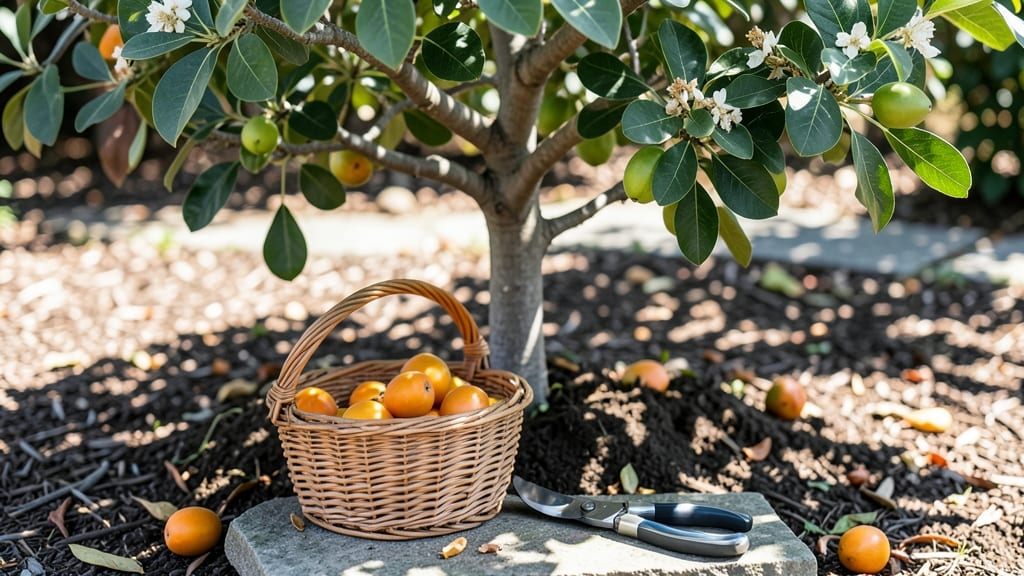
Growing loquat fruit in your garden means sweet, tropical-tasting treats even when space is tight. I’ve grown them in both ground beds and containers, and they thrive where citrus often struggles—right up against my patio wall. The key is matching their warm climate needs with smart placement and care.
Loquats love full sun but handle partial shade better than many fruit trees, making them perfect for small yards or balconies. Start with well-draining soil mixed with compost, and choose a spot protected from strong winds.
Containers need at least a 5-gallon pot for dwarf varieties, while standard trees do best in 10+ gallons with drainage holes. Water deeply once a week, letting the top inch dry between soakings—overwatering is their biggest enemy.
By late winter, you’ll see glossy new leaves, followed by fragrant white blossoms in early spring. The fruit ripens in fall or winter, depending on your zone, and tastes like a cross between peach and citrus.
Prune lightly after harvest to shape the tree and remove dead wood, but avoid heavy cuts—loquats fruit on older wood. With the right spot and care, you’ll harvest dozens of fruits from a single tree each season.
Common challenges? Aphids and fungal spots show up occasionally, but neem oil and proper spacing keep them in check. In colder zones, protect young trees with burlap wraps during frost. The payoff? A tree that produces year after year with almost no fuss—once established, they’re practically self-sufficient.
📚 In This Guide
- What you need
- Instructions
- Tips and common mistakes
- Wrapping up and next steps
What you need
- ● Loquat Trees: 1-3 dwarf varieties (e.g., 'Big Jim' or 'Champagne') for compact spaces. Ensure they’re disease-resistant.
- ● Well-Draining Soil: 5-10 bags of a mix like 50% garden soil + 30% compost + 20% perlite/sand (for containers, use a 10-gallon pot per tree).
- ● Organic Fertilizer: 1 lb of balanced 10-10-10 or citrus-specific fertilizer (apply at planting and every 6-8 weeks).
- ● Mulch: 2-3 cubic feet of wood chips or straw to retain moisture and regulate soil temp.
- ● Garden Tools: Trowel, pruning shears, and a small shovel (or 5-gallon bucket + watering can for containers).
- ○ pH Tester: Optional but helpful—loquats thrive in slightly acidic soil (pH 5.5-6.5).
- ○ Drip Irrigation Kit: Optional for consistent moisture (especially in hot climates).
- ● Climate: Loquats love USDA Zones 7-10 (or indoor grow lights for cooler areas).
- ● Sunlight: 6+ hours of full sun daily (partial shade in extreme heat).
- ● Space: Minimum 6 feet apart (or 10-gallon pots for dwarf varieties).
- ● Pollination: Hand-pollinate with a soft paintbrush if bees are scarce (loquats are self-pollinating but benefit from help!).
Step-by-step instructions for growing loquat trees in small gardens
Here’s how to cultivate these subtropical beauties successfully—even when space is tight.
Select the Right Variety and Planting Location
Choose a dwarf or semi-dwarf loquat variety like ‘Big Jim’ or ‘Champagne’ for container growing. Loquats thrive in USDA Zones 8-11, but you can grow them in pots and overwinter indoors if you live in cooler climates. Pick a spot with full sun exposure—at least 6-8 hours daily—and well-draining soil. If planting in the ground, amend heavy soil with 3-4 inches of compost to improve drainage, as loquats hate soggy roots.
For container growing, use a large pot (at least 18 inches deep) with drainage holes. Place the pot where it gets morning sun and afternoon shade during peak summer months to prevent heat stress. If you’re in a colder zone, keep the tree near a south-facing window or under grow lights during winter.
Plant or Transplant Your Loquat Tree
If planting bare-root, soak the roots in lukewarm water for 1-2 hours before planting to rehydrate them. Dig a hole twice as wide as the root ball and deep enough to bury the graft union 2-3 inches below soil level (if your tree has one). Backfill with native soil mixed with compost to encourage root growth. Water deeply to settle the soil and remove air pockets.
For container planting, fill the pot with a mix of equal parts potting soil and perlite to ensure aeration. Place the tree in the center, then fill around the roots with more mix, pressing gently to eliminate gaps. Water thoroughly until it drains from the bottom. Avoid fertilizing for the first 4-6 weeks to let roots establish without competition.
Water and Fertilize for Healthy Growth
Loquats need consistent moisture but hate waterlogged soil. Water deeply 1-2 times per week, checking that the top 2 inches of soil feel dry before watering again. In containers, you may need to water every 3-4 days in hot weather, as pots dry out faster. Mulch around the base with 2-3 inches of organic mulch (like wood chips) to retain moisture and regulate soil temperature.
Fertilize every 4-6 weeks during the growing season (spring through fall) with a balanced, slow-release fertilizer (10-10-10 or similar). In winter, reduce fertilization to once every 8-12 weeks or stop entirely if the tree is dormant. Over-fertilizing can lead to excessive leaf growth at the expense of fruit production, so follow package instructions closely.
Prune for Shape and Fruit Production
Prune your loquat tree annually in late winter or early spring before new growth begins. Remove dead, diseased, or crossing branches first, then thin out overcrowded growth to improve airflow. Cut back any suckers (shoots growing from the base or graft union) to redirect energy to the main tree. Aim to shape the tree into an open vase form, allowing sunlight to reach the center where fruit develops.
Loquats produce fruit on older wood, so avoid heavy pruning that removes too many mature branches. If your tree is young, focus on structural pruning to encourage a strong framework. Once established, light pruning to maintain shape and remove water sprouts will keep the tree productive. Sterilize pruning tools with rubbing alcohol between cuts to prevent disease spread.
Harvest and Overwinter for Long-Term Success
Loquats ripen asynchronously, meaning fruit may drop at different times over several weeks. Harvest when the fruit is soft to the touch and easily detaches from the tree—usually in late winter to early spring in warm climates. If you miss the natural drop, pick by hand and let them ripen indoors at room temperature (65-75°F). Once harvested, store in the refrigerator for up to 2 weeks to slow ripening.
In colder climates, move potted loquats indoors before temperatures drop below 40°F. Place them in a bright, cool location (like a garage with natural light) and reduce watering to every 2-3 weeks. Resume regular care in early spring when temperatures warm up. If you notice leaf drop or bud dormancy, your tree is likely adjusting to seasonal changes—don’t panic, as this is normal.
Tips & tricks for perfect loquat fruit harvest in small gardens
Growing loquat trees in compact spaces takes a few key strategies to ensure success without sacrificing fruit production.
Sunlight Strategy: While the instructions mention 6-8 hours of full sun, I’ve found that morning sun paired with afternoon shade during peak summer months actually improves fruit quality in containers. The intense afternoon heat can stress the tree, leading to leaf scorch. If you’re in a hotter climate, consider using a light shade cloth during those afternoon hours to protect your tree without sacrificing the essential sunlight it needs for fruiting.
Root Establishment Secret: The 4-6 week wait before fertilizing after planting is crucial, but I’ve noticed that adding a handful of mycorrhizal fungi to the planting hole can cut that establishment time in half. These beneficial fungi help roots absorb nutrients more efficiently, giving your loquat tree a head start. You can find mycorrhizal powders or granules at garden centers and mix them into the soil during planting.
Watering Wisdom: The instructions mention watering deeply 1-2 times per week, but I’ve learned that checking soil moisture is more important than sticking to a schedule. In containers, I use a moisture meter to ensure the top 2 inches of soil are dry before watering again. This prevents both underwatering and overwatering, which can both stress your tree. Remember that containers dry out faster than ground soil, especially in hot weather.
Fertilizing Fine-Tuning: While the instructions recommend a balanced 10-10-10 fertilizer, I’ve found that switching to a slightly higher phosphorus fertilizer (like 10-20-10) during the first fruiting season helps encourage more blossoms. Phosphorus supports root development and flowering, which is crucial for fruit production. Just be sure to follow the package instructions carefully to avoid over-fertilizing, which can harm your tree.
Pro Tips for Loquat Fruit Grow A Garden
- Growing loquat trees in compact spaces takes a few key strategies to ensure success without sacrificing fruit production.
- Sunlight Strategy: While the instructions mention 6-8 hours of full sun, I’ve found that morning sun paired with afternoon shade during peak summer months actually improves fruit quality in containers.
- Root Establishment Secret: The 4-6 week wait before fertilizing after planting is crucial, but I’ve noticed that adding a handful of mycorrhizal fungi to the planting hole can cut that establishment time in half.
Frequently asked questions
How long does it take for a loquat tree to bear fruit?
A loquat tree typically takes 3 to 5 years to produce its first fruit, depending on the variety and growing conditions. Dwarf varieties may fruit slightly sooner, while standard trees may take a bit longer. Patience is key—consistent care (like proper pruning and fertilization) can help speed up the process!
Can loquat trees survive cold winters?
Loquats are semi-tropical and can handle light frost (20–25°F), but prolonged cold (below 15°F) may damage leaves or fruit. In colder climates, plant them in sheltered spots or use frost cloth. Choose cold-hardy varieties like 'Big Jim' or 'Wheeny' for better resilience.
What’s the best way to pollinate loquat flowers if bees aren’t around?
Loquats are self-pollinating, but hand-pollination can boost yields. On a dry morning, gently shake branches to release pollen or use a soft brush to transfer it from flower to flower. Avoid overwatering before blooming—wet conditions can deter pollinators.
How do I store harvested loquats to extend their shelf life?
Loquats ripen quickly after picking! Store them at room temperature for 1–2 days to soften, then refrigerate (up to 1 week) in a paper bag to slow spoilage. For longer storage, freeze them whole or as slices (blanch first). Overripe fruit is perfect for jams or smoothies!
What pests should I watch out for when growing loquats?
Common pests include aphids, scale insects, and fruit flies. Use neem oil or insecticidal soap for soft-bodied bugs, and yellow sticky traps for flies. Keep the area clean—remove fallen fruit and debris to deter infestations.
Wrapping up and next steps
Growing loquat fruit in your garden is a rewarding journey that brings year-round harvests—even in compact spaces! With the right soil, sunlight, and care, you’ll enjoy sweet, fragrant fruit while adding beauty to your outdoor space.
Start small, stay patient, and soon you’ll be savoring homegrown loquats like a pro.
Ready to take the next step? Plant your first tree this season and watch your garden transform into a loquat oasis! 🌱✨