
Size
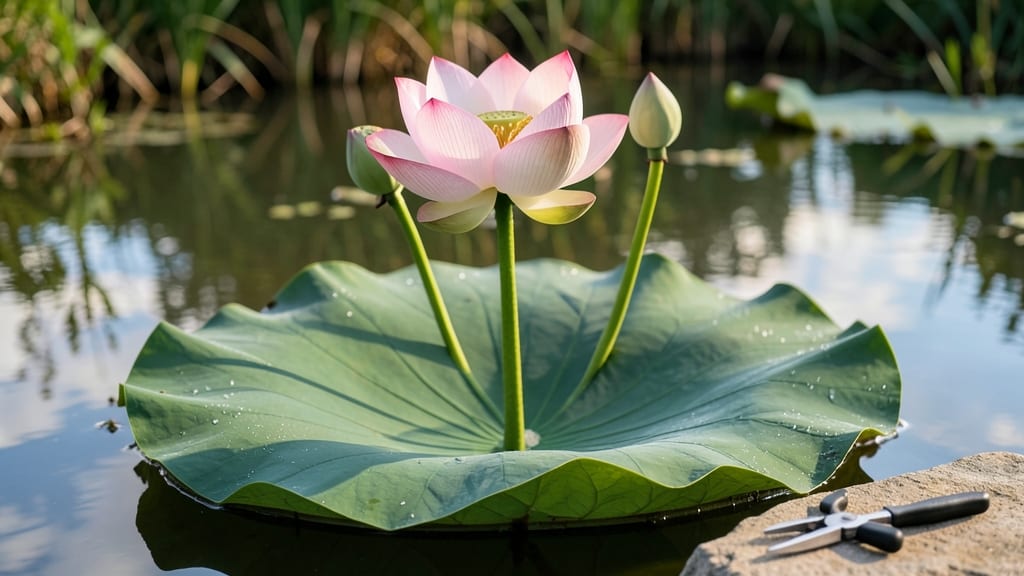
Growing a lotus plant in your garden isn’t just about pretty blooms—it’s about creating a serene, almost magical water feature that feels like a secret tropical escape. ✨ I’ve watched my first lotus emerge from muddy depths into a floating masterpiece, and once you see those giant leaves unfurl, you’ll understand why gardeners obsess over them.
The key isn’t just the plant itself, but the entire ecosystem you’re building around it.
You’ll need a sun-drenched pond (at least 18 inches deep) or a large container with clean, still water, plus the right soil mix—equal parts clay, sand, and organic matter to anchor those thick roots.
Tropical lotus varieties like Nelumbo nucifera thrive in warmer climates, while hardier types like Nelumbo lutea handle cooler zones, but all need 6+ hours of direct sunlight daily to bloom. The real trick? Keeping water temperatures steady—lotuses sulk in cold drafts but explode with color when happy.
By midsummer, you’ll see those first velvety leaves breaking the surface, followed by blooms that last for weeks. The fragrance alone—like honey and rain—will have neighbors asking where you got yours.
Even in small spaces, a 5-gallon container can grow a dwarf lotus, though full-size varieties reward patience with 3-foot-wide blooms that look like underwater sunbursts.
Here’s the secret no one tells you: lotuses are low-maintenance once established, but they hate stagnant water. A small solar fountain keeps it oxygenated, and a handful of duckweed (yes, really) helps filter nutrients naturally.
The biggest mistake? Planting too shallow—roots need 12+ inches of mud to anchor properly. Let’s get yours growing!
📚 In This Guide
- What you need
- Instructions
- Tips and common mistakes
- Wrapping up and next steps
What you need
- ● Lotus tubers or seeds: Choose between hardy Nelumbo nucifera (Asian lotus) or Nelumbo lutea (American lotus). Buy 3–5 tubers or seed pods for a fuller display.
- ● Pond or container: Minimum size: 18" deep for tubers (deeper for larger varieties like Nelumbo ‘Rosada’).
- ○ Material: Fiberglass, plastic, or lined pond (avoid metal). Optional: Add a pre-formed pond liner if using a DIY setup.
- ● Pond soil or substrate: 6–12" of aquatic plant soil (or a mix of garden soil + sand for drainage). Pro tip: Add a handful of compost for nutrients! 🌱
- ● Water source: Freshwater (chlorine-free). Use a pond pump (50–200 GPH) to maintain circulation and oxygen.
- ● Fertilizer: Slow-release aquatic plant fertilizer or organic options like blood meal (sprinkle lightly every 4–6 weeks).
- ● Tools: Garden trowel or pond plant hook
- ● Measuring tape (to track depth)
- ● Gloves (lotus roots can be prickly!)
- ● Floating plant barriers: Use water hyacinth or water lettuce to shade tubers from direct sun (great for warmer climates).
- ● Pond thermometer: Lotus thrives in 70–85°F water. Monitor temps to avoid stress! 🌡️
- ● Decorative rocks or pebbles: Add a natural touch around the pond’s edges.
- ● Beneficial bacteria: Like Microbe-Lift PL to keep water clean and reduce algae.
Step-by-step guide to cultivating lotus plants in your garden
Transform your garden into a serene aquatic haven with these proven methods for growing lotus plants.
🪴 Step 1: Prepare the Pond or Container
Lotus plants thrive in 6-12 inches of water, so start by selecting a pond, large container, or shallow basin that meets these depth requirements. A minimum 3-foot diameter space allows roots to spread comfortably. Line the bottom with 2-3 inches of aquatic soil mix to anchor the plant and provide nutrients.
Ensure the water source is calm and free of strong currents, as lotus roots are sensitive to disturbance. If using a container, choose one with drainage holes covered by mesh to prevent soil loss while allowing water circulation. Place your setup in a location receiving full sun for at least 6 hours daily—lotus plants demand bright light to produce their iconic blooms.
🌱 Step 2: Plant the Tubers Correctly
Lotus tubers, often called "rhizomes," should be planted horizontally with the buds facing upward. Each tuber contains multiple buds, and planting them this way ensures optimal growth. Bury the rhizome 1-2 inches below the soil surface, spacing them 12-18 inches apart to allow room for expansion.
Here's the thing—don't cover the buds completely with soil. They need light to sprout, so leave them exposed or barely covered. If planting in a pond, secure the rhizome with rocks or weights until new growth stabilizes. Water gently after planting to settle the soil around the tubers without displacing them.
☀️ Step 3: Maintain Water Quality and Light
Lotus plants are heavy feeders, so fertilize the aquatic soil mix with slow-release aquatic plant fertilizer before planting. After 4-6 weeks, when new leaves emerge, switch to a liquid aquatic fertilizer applied monthly during the growing season. Maintain water temperature between 65-85°F—lotus plants struggle in colder conditions.
Watch for signs of nutrient deficiency, like yellowing leaves or stunted growth. This usually means it's time to fertilize again. If your pond has fish, their waste can provide nutrients, but supplement with fertilizer to ensure balanced growth. In containers, change the water every 2-3 weeks to prevent stagnation and algae buildup.
✂️ Step 4: Prune and Divide for Healthier Growth
Once your lotus plants establish themselves, you'll notice old leaves turning yellow or dying back. Remove these dead leaves and spent blooms regularly to redirect the plant's energy toward new growth. Prune with clean, sharp scissors to avoid damaging healthy tissue. This step also prevents pests and diseases from taking hold in decaying matter.
After 2-3 years, lotus plants benefit from division. Carefully lift the rhizomes in early spring, separate them into smaller sections with at least 3-4 buds each, and replant. This rejuvenates the plant and prevents overcrowding, which can lead to smaller blooms. Replant the divided rhizomes in fresh aquatic soil mix to encourage vigorous regrowth.
🌿 Step 5: Overwintering and Long-Term Care
In colder climates, lotus plants enter dormancy when temperatures drop below 50°F. To protect them, reduce water levels to 3-4 inches and cover the pond or container with a floating insulation blanket or straw mulch. In containers, move them to a garage or sheltered area where temperatures stay above freezing.
Resume regular care in spring once water temperatures rise above 60°F. You'll see new growth emerge within 2-3 weeks, signaling it's time to fertilize and maintain the pond as usual. With proper overwintering, lotus plants can live for decades, rewarding you with stunning blooms year after year.
Tips & tricks for perfect lotus plant cultivation
These insider strategies will help you cultivate lotus plants with the confidence of a seasoned aquatic gardener.
Water Depth Precision: The 6-12 inch water depth range is non-negotiable for lotus health. I've found that 8-10 inches provides the ideal balance—enough to support root development while keeping the rhizome submerged without stressing the plant. Use a clear ruler to verify depth after planting, especially in containers where water levels can fluctuate.
Rhizome Planting Technique: When planting in Step 2, I recommend using a small garden trowel to create a shallow trench just below the 1-2 inch depth mark. This prevents the rhizome from floating upward as it establishes. For extra stability in ponds, anchor with flat river rocks rather than rounded stones—they provide better traction for emerging shoots.
Temperature Management: The 65-85°F range is critical, but don't just monitor the air temperature. Use an aquatic thermometer to check water temperature—it can lag behind air temperature changes, especially in containers. In summer, if your water exceeds 85°F, provide afternoon shade to prevent heat stress, which manifests as wilting leaves or flower buds that fail to open.
Fertilizer Timing Strategy: The 4-6 week mark for switching to liquid fertilizer is perfect, but here's what I've learned: apply liquid fertilizer in the morning when plants are actively photosynthesizing. This gives them immediate access to nutrients during their peak growth period. I also recommend alternating between fish emulsion and a balanced aquatic fertilizer every other month to provide diverse nutrients without overloading the system.
Pro Tips for Lotus Plant Grow A Garden
- These insider strategies will help you cultivate lotus plants with the confidence of a seasoned aquatic gardener.
- Water Depth Precision: The 6-12 inch water depth range is non-negotiable for lotus health.
- Rhizome Planting Technique: When planting in Step 2, I recommend using a small garden trowel to create a shallow trench just below the 1-2 inch depth mark.
Frequently asked questions
Got questions about growing lotus plants in your garden?
You’re not alone! Here are some of the most common queries—plus straightforward answers to help you cultivate these stunning aquatic beauties with confidence.
How deep does the water need to be for lotus plants?
Lotus plants thrive in 12–18 inches of water for hardy varieties (like Nelumbo nucifera) and 24+ inches for tropical species. Shallow water (under 6 inches) can stunt growth, while depths over 3 feet may stress the roots. Use containers or ponds with adjustable depths to accommodate their needs!
When is the best time to plant lotus tubers?
Plant lotus tubers in early spring (after the last frost) or late summer (before the first frost). Tubers need 6–8 weeks to establish roots in warm water (70–75°F). Avoid planting in cold water—it can rot the tubers before they sprout. Pro tip: Pre-soak tubers in lukewarm water for 24 hours to kickstart growth!
Why aren’t my lotus leaves unfurling?
Unfurled leaves are a slow process—don’t rush it! Common culprits include cold water (below 60°F), low light, or nutrient deficiencies. Ensure your pond gets 6+ hours of sunlight daily and fertilize with aquatic plant food (like fish manure or compost tea) every 4–6 weeks. Patience pays off—some leaves take 2–3 months to fully bloom!
Can I grow lotus plants in a small container or bucket?
Use a minimum 12-gallon container (18+ gallons for tropical lotuses) with drainage holes and a water depth of 12–18 inches. Add a layer of gravel or aquatic soil at the bottom, then place the tuber on top. Containers warm up faster than ponds, so they’re great for short growing seasons. Just rotate the container occasionally for even sunlight!
Are lotus plants safe for fish and other pond creatures?
Yes! Lotus plants are fish-friendly and provide shade, shelter, and oxygen for koi, goldfish, and tadpoles. Their roots also filter water naturally, reducing algae. Avoid overcrowding—leave 18–24 inches of space between plants for healthy growth. Just watch for lotus beetles (harmless pollinators) or occasional nibbles from hungry fish!
How do I overwinter lotus plants in cold climates?
In zones below 6, dig up tubers in late fall (before freezing) and store them in a cool, dark place (40–50°F) with moist peat moss or sand. Replant in spring once water temps reach 60°F+. For hardy varieties, leave tubers in the pond if water doesn’t freeze solid—insulate with mulch or a pond cover to protect them!
Wrapping up and next steps
Growing a lotus plant in your garden is a rewarding journey that brings serene beauty and a touch of the tropics to your space.
Whether you're drawn to their stunning blooms or the calming presence of their floating leaves, these plants offer both visual charm and a sense of tranquility. 🌸
Now that you’re equipped with the right knowledge, take the plunge—start small with a single pot or dive into a full pond setup. Watching your lotus thrive will be a magical experience, and soon, you’ll be sharing your progress with fellow plant enthusiasts!
What’s your next step? Plant your first seed today!