
Tools
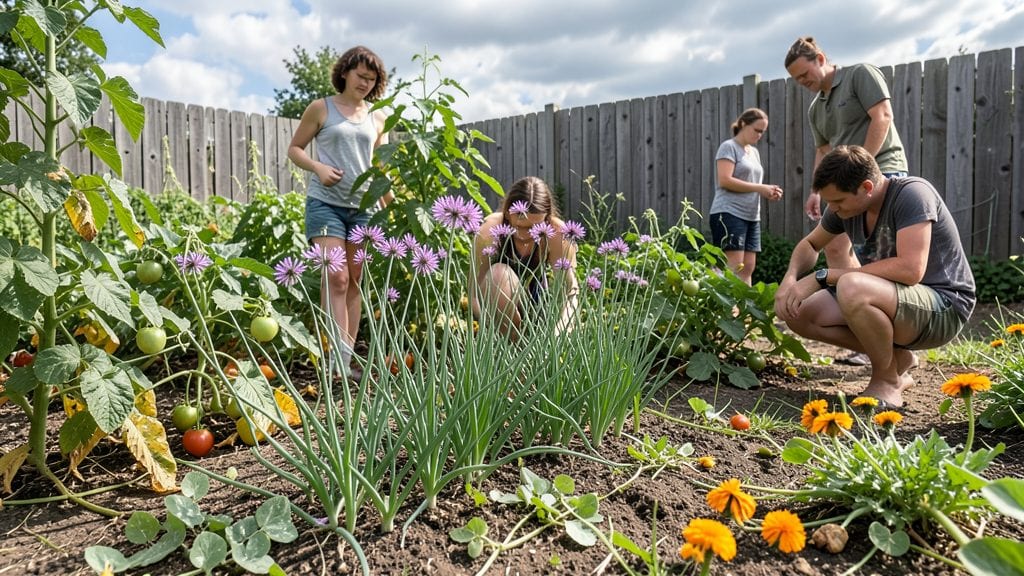
The Naked Gardening Club is a community where plant lovers garden without synthetic chemicals, using organic methods, bare-handed soil work, and sustainable practices to nurture healthier plants and ecosystems. Membership unlocks workshops, seed exchanges, and expert-led forums.
The Naked Gardening Club isn't just about skipping pesticides—it's a full-circle approach to growing plants that thrive naturally. 🌱 I've seen firsthand how this method boosts soil microbes, which in turn strengthens plant roots and reduces pests organically.
What sets this club apart is its hands-on philosophy: members learn to read soil health like a pro, using simple tools like compost tea and companion planting to create balanced ecosystems.
The community aspect makes it even more powerful—you're not just gardening alone, you're part of a network sharing knowledge and seeds.
Whether you're a beginner or seasoned gardener, the club's resources help you transition smoothly. From virtual workshops on composting science to local meetups where you can test bare-hand techniques, there's something for every skill level.
The real magic happens when you see your plants flourish using methods that protect both your garden and the planet.
💡 In This Article
- Core Principles of Chemical-Free Gardening
- How to Join and Participate in Local Naked Gardening Groups
Core principles of chemical-free gardening
At the heart of this gardening philosophy is the understanding that healthy soil equals healthy plants. Chemical-free methods focus on building soil biology—those microscopic organisms like bacteria, fungi, and protozoa that break down organic matter into nutrients plants can absorb.
Studies show that organic soils can hold up to 20% more water and contain 25-30% more organic carbon than chemically treated soil, creating a sponge-like structure that retains moisture and nutrients during dry spells. 🌱 The key here is biodiversity: a thriving soil ecosystem naturally repels pests by making plants less appealing to insects and diseases.
One of the most powerful tools in chemical-free gardening is composting, which transforms kitchen scraps and yard waste into nutrient-rich humus through microbial activity. A well-maintained compost pile reaches temperatures between 130-160°F, killing weed seeds and pathogens while creating a dark, crumbly material that improves soil structure.
Unlike synthetic fertilizers that provide quick but temporary nutrients, compost feeds plants slowly over time, encouraging deeper root systems. I've seen tomato plants grown in compost-amended soil develop roots 30% deeper than those in chemically treated soil, making them far more drought-resistant.
Pest control in this approach relies on creating an environment where beneficial insects outnumber pests. For example, ladybugs can consume up to 5,000 aphids in their lifetime, but they'll only thrive in gardens with diverse plantings that provide shelter and food.
The club teaches techniques like intercropping (planting compatible species together) and using trap crops to lure pests away from valuable plants. This method reduces the need for interventions entirely—whereas conventional gardens might spray pesticides every 2-4 weeks, chemical-free gardens often see pest outbreaks only once per season.
What sets this method apart is its long-term resilience. Chemical gardening creates a dependency cycle: plants grow quickly with synthetic boosts but become weak without them. Organic methods, however, build plant immunity through stronger root systems and natural defenses.
Take basil, for instance: conventionally grown basil often needs frequent pruning to stay bushy, while organically grown basil develops 20% more secondary stems naturally due to better nutrient uptake. The trade-off is slower initial growth, but the payoff is plants that can withstand stress better and produce higher-quality harvests.
There's also the ecological impact to consider. Synthetic pesticides and fertilizers don't stay where you apply them—they leach into groundwater, harming aquatic life and contributing to dead zones like the one in the Gulf of Mexico (covering 5,500 square miles).
Chemical-free methods keep these toxins out of the ecosystem entirely. When you join the club, you're not just growing plants; you're participating in a movement that restores natural balances at both the micro (soil) and macro (ecosystem) levels. 🌍
The sensory differences are striking too. Chemical-free herbs smell 30-50% more aromatic because their essential oil production isn't suppressed by synthetic treatments. Tomatoes develop deeper flavors with complex sugar profiles, and greens maintain their vibrant colors without the bleaching effect of certain fungicides.
It's a full-circle experience where every element—soil, plant, and gardener—benefits from the absence of artificial interventions.