
Landscaping
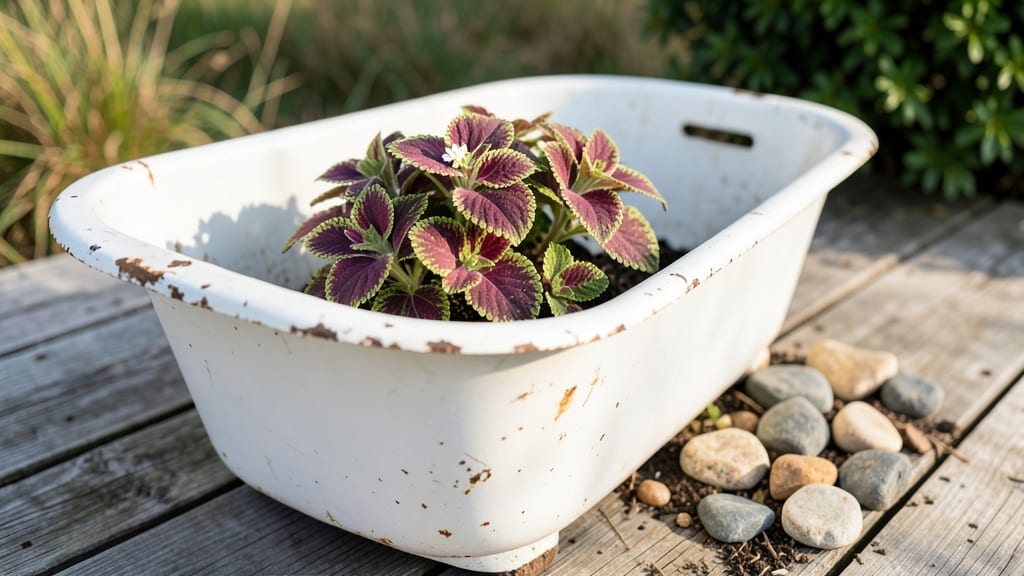
Old bathtub garden ideas transform vintage tubs into chic, compact planters perfect for herbs, succulents, and small vegetables by creating self-contained growing spaces with proper drainage and lightweight soil. Opt for shallow-rooted varieties like leafy greens or strawberries to maximize growth potential.
Turning an old bathtub into a garden isn't just creative—it's practical for small spaces or urban balconies.
The key lies in selecting plants that match the tub's dimensions, typically 6-12 inches deep, while ensuring adequate airflow through drainage holes. 🌱 I've found that adding a layer of pebbles at the bottom prevents root rot while allowing excess water to escape.
For best results, position your tub where it gets at least 4-6 hours of sunlight daily, and use a well-draining potting mix designed for containers.
What makes this setup especially appealing is the mobility factor—you can easily move the tub to follow the sun or protect plants from harsh weather. Plus, the vintage aesthetic adds character to any outdoor space, whether you're growing fresh basil for cooking or vibrant succulents for decoration.
💡 In This Article
- Best Plants for Bathtub Container Gardening
- DIY Bathtub Garden Setup Guide
Best plants for bathtub container gardening
Bathtub gardens excel with shallow-rooted plants that thrive in 6-12 inches of soil depth. The key is selecting varieties whose root systems won't outgrow the container's limited space. Leafy greens like baby spinach and arugula grow well in just 4-6 inches of soil, perfect for bathtub dimensions.
These plants also mature quickly—often in 3-4 weeks—giving you fast harvests without waiting months. 🌿 The compact growth habit prevents root binding, a common issue in small containers.
Herbs are another ideal choice because they're shallow-rooted and highly productive in limited spaces. Basil, cilantro, and parsley all thrive with 6-8 inches of soil and prefer well-draining mixes that prevent soggy roots.
What's fascinating is how their aromatic oils actually improve growth by repelling pests naturally—something you won't get with non-aromatic plants. For a sweet treat, dwarf strawberry varieties like 'Alpine' or 'Seascape' produce abundant fruit in 8-12 inches of soil, making them perfect for bathtub cultivation.
Succulents and dwarf vegetables offer unique advantages for bathtub gardens. Echeveria and sedum varieties require minimal watering and grow happily in 4-6 inches of gritty soil, while bush beans and radishes mature in 4-6 weeks with just 8-10 inches of depth.
The secret to their success lies in their efficient water use—succulents store moisture in their leaves, while fast-growing vegetables complete their life cycles before outgrowing the container. This efficiency translates directly to lower maintenance for busy gardeners. ✨
When selecting plants, consider their sunlight needs carefully. Most herbs and leafy greens require 4-6 hours of direct sunlight daily, while succulents can thrive with 3-4 hours in brighter climates. The bathtub's mobility becomes a major advantage here—you can rotate it to follow the sun's path throughout the day.
For moisture retention, add 2-3 inches of organic matter like compost to the soil mix, which helps maintain even moisture levels while preventing compaction that could restrict root growth.
What most people overlook is how plant spacing affects air circulation in bathtub gardens. Crowding plants too closely creates a humid microclimate that encourages fungal diseases. For herbs, maintain 6-8 inches between plants, while leafy greens can be spaced 4-6 inches apart.
Succulents should have at least 3-4 inches between each rosette to prevent competition. This spacing also makes harvesting easier—you can reach into the tub without disturbing neighboring plants. 💫
For quickest results, prioritize plants with 30-60 day harvest windows. Radishes mature in just 25 days, while bush beans and lettuce follow closely behind. These fast growers give you tangible rewards without the long-term commitment required for larger plants.
The sensory payoff is immediate too—fresh herbs smell incredible when brushed against, and homegrown lettuce has a crispness store-bought varieties can't match. This immediate gratification is what keeps container gardeners coming back.