
Pests
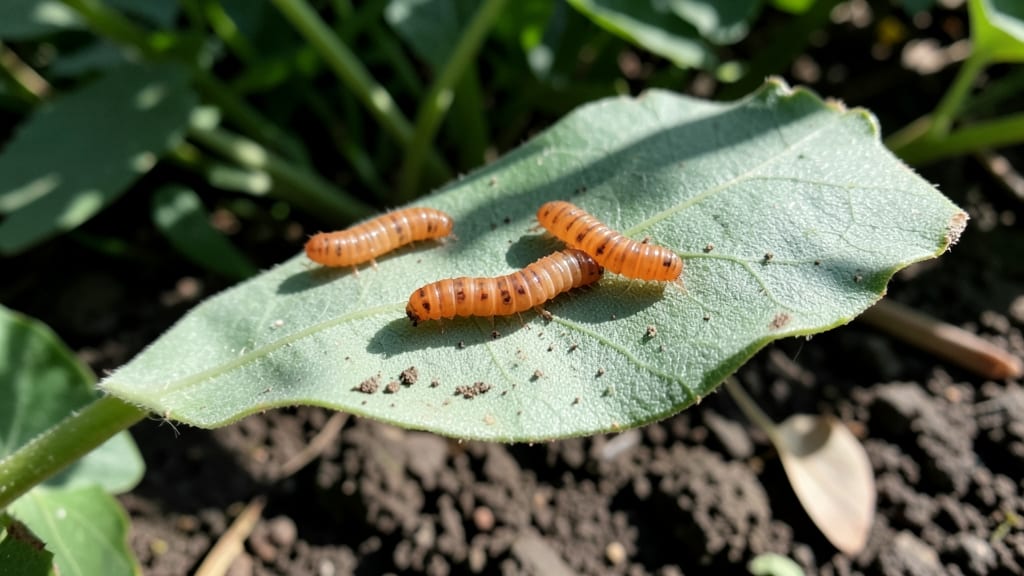
Those pesky orange worms in your garden are turning your tomato leaves into Swiss cheese.
Those striped caterpillars might be tomato hornworms—fast growers that can strip a plant bare in days. 🌱 I’ve seen them turn a thriving vine into skeleton leaves overnight, but there’s a way to stop them without chemicals. The key is acting quickly while keeping your garden ecosystem balanced.
First, confirm what you’re dealing with: tomato hornworms have white diagonal stripes and a horn-like tail, while other orange worms (like armyworms) chew leaves differently. Once identified, handpick them in the morning when they’re sluggish—drop them in soapy water or relocate them far from your garden.
For a long-term fix, invite their natural predators like parasitic wasps or ladybugs by planting dill, fennel, or marigolds nearby.
You’ll notice a difference within 24-48 hours if you remove the worst offenders and disrupt their habitat. Healthy plants bounce back fast, and the wasps will do the rest of the work for you.
The goal isn’t just to eliminate the worms but to restore balance so your garden stays resilient against future pests.
Works for backyard gardens, raised beds, and even container plants—just adjust the companion planting based on what you’re growing. Here’s how to make it happen without harming your soil or local wildlife.
Why it happens
Discovering bright orange worms wriggling through your garden can feel like a nightmare—especially when you’re not sure why they’re there in the first place. These unwelcome visitors, often cutworms or armyworms, don’t just appear out of thin air.
Their presence is usually a sign of underlying conditions in your soil, plants, or even your gardening habits. Let’s break down the most common reasons these pests show up and what’s inviting them to the party.
###
🌱 Poor Soil Health and Nutrient Imbalance
Healthy soil is the foundation of a thriving garden, and when it’s lacking, pests like orange worms take notice. These worms thrive in environments where:
- Nitrogen is low: Cutworms and armyworms are drawn to gardens with weak, nitrogen-deficient plants. Nitrogen is essential for robust plant growth, and when it’s missing, plants become stressed and more vulnerable to pest attacks. Test your soil—if the nitrogen levels are below 0.5%, you’re creating a buffet for these worms.
- Organic matter is scarce: Soil rich in decomposed plant material (like compost) supports beneficial microbes and predators that naturally keep worm populations in check. If your soil is compacted or lacks organic matter, it becomes an easy target for pests seeking shelter and food.
- Moisture levels fluctuate: Orange worms love damp conditions but avoid waterlogged soil. If your garden has inconsistent irrigation—either too dry or too soggy—you’re creating the perfect microclimate for these pests to hide and multiply.
💡 Pro Tip: Amend your soil with compost or well-rotted manure to improve its structure and nutrient balance. This not only deters pests but also encourages stronger plant growth that can better resist infestations.
###
🍃 Overwatered or Weakened Plants
Plants that are overwatered, stressed, or already struggling from disease are like neon signs for orange worms. Here’s why:
- Soft, tender growth: Overwatering leads to weak, mushy stems and leaves—an all-you-can-eat buffet for cutworms. These pests chew through plant tissue, and soft plants offer little resistance.
- Disease entry points: Weakened plants are more susceptible to fungal infections (like Fusarium wilt or root rot), which create decaying organic matter. Orange worms are attracted to this rotting material as a food source and breeding ground.
- Lack of natural defenses: Healthy plants produce compounds that deter pests. When plants are stressed, these defenses weaken, making them easier targets.
🌡️ Actionable Fix: Adjust your watering schedule to keep soil consistently moist but not soggy. Use drip irrigation or soaker hoses to deliver water directly to the roots, reducing leaf wetness that attracts pests. Prune damaged or diseased foliage immediately to remove hiding spots.
###
🌙 Nighttime Feeding Habits and Light Pollution
Many orange worms, particularly cutworms, are nocturnal hunters. Their behavior is influenced by:
- Artificial lighting: Outdoor lights (especially white or blue LED bulbs) can attract adult moths, which lay eggs near the light source. These eggs hatch into cutworms that descend on your garden at night to feed.
- Moonlight and humidity: Clear, humid nights with bright moonlight create ideal conditions for moths to fly and lay eggs. If your garden is near a large open area with minimal obstructions, it becomes a prime landing spot.
- Lack of natural predators: Bats, birds, and beneficial insects (like ground beetles) prey on cutworm eggs and larvae. If your garden lacks these predators—often due to pesticide use or habitat loss—the worm population explodes unchecked.
✨ Nighttime Defense: Switch to yellow or red bug lights (which are less attractive to moths) or use motion-activated lights to startle pests away. Install predator-friendly habitats, such as bat houses or bird baths, to encourage natural pest control.
###
🌾 Crop Monoculture and Lack of Diversity
Gardens planted with a single crop (like a large tomato patch or cornfield) are like a five-star restaurant for orange worms. Here’s why:
- Unbroken food source: Monoculture gardens provide endless meals for pests with no interruptions. Worms can feast for days without encountering a plant they can’t eat.
- Reduced biodiversity: Diverse gardens support a wider range of predators (ladybugs, lacewings, parasitic wasps) that naturally keep worm populations in balance. When you plant only one type of crop, you’re removing the “checks and balances” of a healthy ecosystem.
- Soil exhaustion: Repeatedly planting the same crop depletes specific nutrients, weakening plants and making them easier targets for pests.
🎯 Solution: Practice crop rotation and interplanting. Mix flowers (like marigolds or basil) with your vegetables—they repel pests and attract beneficial insects. Avoid planting large blocks of the same crop; instead, use raised beds or small patches to disrupt worm feeding patterns.
How to solve it
Discovering orange worms—likely cutworms or armyworms—slithering through your garden can be frustrating, but the good news is that natural solutions exist to tackle them effectively.
Below, we’ve mapped out targeted fixes based on the most common causes of these pests, along with proactive prevention tips to keep your garden thriving.
###
🌱 Overwatered Soil or Heavy Mulch
If your garden soil stays soggy or mulch piles up too thick, it creates a cozy hideout for orange worms. These pests thrive in damp, shaded conditions, so drying out their environment is key.
- 🔥 Fix it: Reduce watering frequency and ensure proper drainage. Water deeply but less often to encourage roots to grow deeper and dry out surface moisture.
- 🍳 Adjust mulch: Thin out mulch layers to 2–3 inches (5–7 cm) to allow airflow and sunlight penetration. Use organic mulch like straw or shredded leaves, which break down faster and deter pests.
- 👨🍳 DIY solution: Sprinkle diatomaceous earth (DE) around plants. This natural powder dehydrates worms on contact—just reapply after rain.
💡 Prevention tip: Use drip irrigation instead of overhead watering to keep foliage dry and discourage worm activity.
###
🍎 Attracting Worms with Overripe Fruit or Decaying Plants
Orange worms are drawn to rotting organic matter, making compost piles, fallen fruit, or dead plants a buffet. Cut off their food source to send them packing.
- 🔪 Remove debris: Clear away fallen leaves, fruit, and plant waste from your garden beds. Compost only clean, dry plant material away from garden edges.
- 🥘 Trap crops: Plant sacrificial crops like lettuce or spinach near vulnerable plants. Worms will target these first—simply remove and dispose of them in sealed bags.
- 🌡️ Heat treatment: For severe infestations, soak affected plant debris in hot water (140°F/60°C) for 30 minutes to kill eggs and larvae before composting.
🎯 Prevention tip: Harvest fruit promptly and pick up any windfalls daily to deprive worms of a food source.
###
🌿 Lack of Natural Predators
Birds, toads, and beneficial insects like ground beetles keep worm populations in check. If these predators are missing, worms can multiply unchecked.
- ✨ Invite predators:
- Install birdhouses or bat boxes to attract natural pest controllers.
- Create a toad abode by piling rocks or logs in shady spots.
- Plant native flowers like marigolds or dill to lure predatory wasps and ladybugs.
- 🍳 Handpick at night: Worms are sluggish after dark. Shine a flashlight to spot them on leaves or soil, then drop them into soapy water.
💡 Prevention tip: Avoid broad-spectrum pesticides, which kill both pests and their natural enemies.
###
🌙 Nighttime Feeding Habits
Many orange worms are nocturnal, making them hard to spot during the day. Disrupt their feeding patterns with strategic timing and barriers.
- 🔪 Physical barriers:
- Wrap young plants in cardboard collars or copper tape to prevent worms from chewing stems.
- Use row covers made of lightweight fabric to block access while allowing sunlight and water through.
- 🌡️ Timed interventions: Check plants early morning or late evening when worms are active. Shake them into a bucket of soapy water.
- 🎯 Beer traps: Bury a shallow dish filled with beer near infested areas. Worms are attracted to the yeast and drown—replace every few days.
💡 Prevention tip: Plant marigolds or garlic around vulnerable crops—their strong scent repels worms naturally.
###
🌍 Seasonal Outbreaks
Worms often surge in late spring or summer when conditions are warm and moist. Plan ahead to break their life cycle.
- 🔥 Crop rotation: Avoid planting the same crops in the same spot year after year. Rotate families like tomatoes, peppers, and eggplants to disrupt worm habitats.
- 🌱 Early planting: Start seeds indoors or use row covers to give plants a head start before worms become active.
- 🍳 Fall cleanup: In autumn, till the soil to expose and dry out overwintering eggs. Remove plant debris and compost it separately.
✨ Pro tip: Interplant basil or thyme with susceptible crops—their scent confuses worms and deters them.
Frequently asked questions
How can I tell if the orange worms in my garden are harmful?
Most orange worms you find are either cutworms or armyworms, which can damage young seedlings and tender leaves. Cutworms curl into a C-shape when threatened, while armyworms have a smooth, segmented body. Both chew leaves into ragged holes—look for signs of notched leaves or stem damage at soil level. If you spot these, act fast to protect your plants!
Why do orange worms appear suddenly in my garden?
Sudden worm outbreaks often happen when your garden becomes a pest buffet. Overwatered soil, decaying plant matter, or weak plants attract them like a beacon. They thrive in damp, shaded areas—check mulch piles, fallen leaves, or soggy soil. Fixing drainage and removing debris can cut off their food supply and reduce future infestations.
Are there natural ways to get rid of orange worms without chemicals?
Try handpicking worms at dawn or dusk (they’re sluggish then) and dropping them in soapy water. For long-term fixes, invite natural predators like ladybugs or birds by planting marigolds, dill, or basil. Diatomaceous earth also works—sprinkle it around plants to dehydrate worms on contact.
Can I use beer to trap orange worms?
Yes! Bury a shallow dish filled with beer near infested plants. Orange worms are attracted to the yeast and will drown. Replace the beer every 2-3 days for best results. This method is safe, chemical-free, and effective for cutworms and armyworms alike.
How do I prevent orange worms from returning next season?
Start by rotating crops and avoiding monoculture beds. Clean up plant debris in fall, and use row covers on young seedlings. Plant companion plants like garlic or thyme—their strong scents deter worms. Healthy soil with proper drainage also makes your garden less appealing to pests.