
Watering
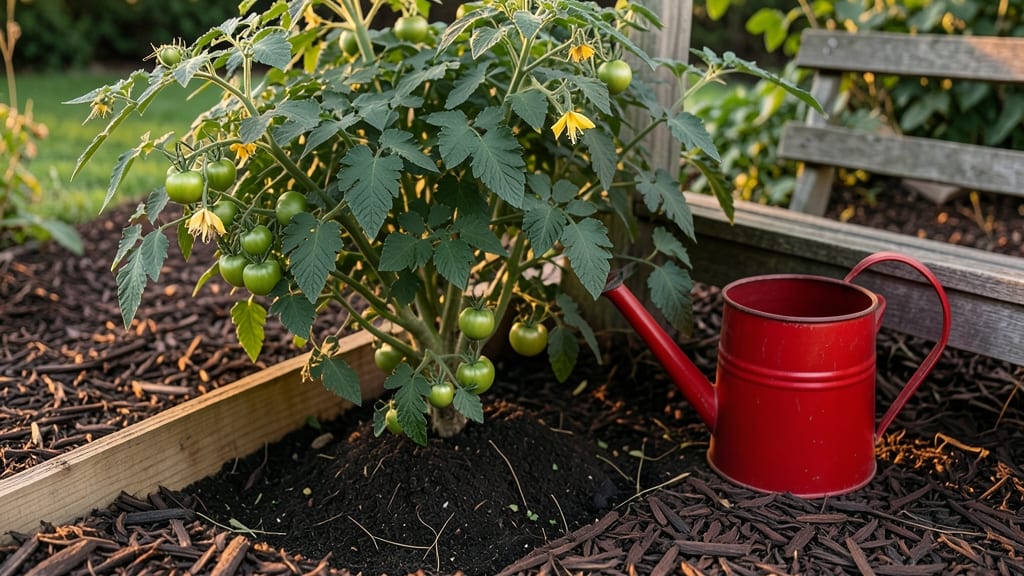
Mastering your vegetable garden’s watering frequency 🌱 is the difference between a thriving harvest and wasted effort—because even the hardiest plants need the right rhythm.
Struggling to keep your vegetable garden lush and productive? Overwatering or underwatering can turn your green thumb into a brown disaster—here’s the science-backed 3-zone watering system that ensures your plants thrive without guesswork.
Most gardeners guess how often to water, but the truth is, leafy greens and root vegetables have wildly different needs. Soil type, sun exposure, and even the time of day play a role—so let’s break it down into simple, actionable steps.
By the end, you’ll know exactly when to water, how deep to go, and the telltale signs your plants are either thirsty or drowning. No more wasted water, no more wilting disappointment.
The 3-Zone watering system: how often to water vegetables by plant type
Watering your vegetable garden isn't a one-size-fits-all task. Different plants have unique moisture needs, and treating them all the same leads to wilted leaves or rotten roots.
The 3-zone watering system divides vegetables into categories based on their growth habits, ensuring each gets the perfect amount of water for maximum yield. Let's dive into the science behind it.
This system categorizes plants into three distinct zones: leafy greens, root vegetables, and fruiting plants (plus herbs). Each zone requires a different watering approach because their root structures and growth priorities vary.
For example, leafy greens prioritize leaf expansion, while root crops focus on bulb development. Understanding these differences is key to avoiding common mistakes like overwatering lettuce or underwatering tomatoes.
🌱
Leafy greens like lettuce and spinach need frequent watering to maintain tender leaves, but too much water causes them to bolt or rot. Aim for 1-2 inches of water per week, delivered in shallow applications.
These plants thrive in consistent moisture but hate soggy soil. I’ve found that morning watering works best—it gives leaves time to dry, reducing fungal diseases like powdery mildew.
Root vegetables such as carrots and radishes require deep, infrequent watering to encourage straight growth and prevent splitting. Unlike leafy greens, they store water in their roots, so drought stress can actually improve flavor.
However, uneven moisture leads to forked carrots or woody textures. Use a soaker hose to deliver water directly to the soil without disturbing the roots.
Fruiting plants like tomatoes and peppers demand the most attention, especially during fruit development. These plants need 1-2 inches of water per week, but the key is deep watering at the base.
Shallow watering encourages shallow roots, making plants more susceptible to blossom-end rot. I’ve seen firsthand how a simple switch to drip irrigation can double my tomato yield by keeping roots consistently moist.
Herbs often get overlooked, but they have unique watering needs too. Most herbs, like basil and parsley, prefer moderate moisture and can handle slight drought better than overwatering. Let the top 1-2 inches of soil dry between waterings to prevent root rot.
Container-grown herbs dry out faster, so check soil moisture daily during hot summers. A quick finger test in the soil tells me everything I need to know.
Seasonal adjustments are critical—what works in spring won’t cut it in summer. During hot months, increase watering frequency by 30-50% to compensate for evaporation. In fall and winter, reduce watering by half since plants grow slower and soil retains moisture longer.
Mulching with straw or wood chips helps retain moisture and regulates soil temperature, making your watering job easier year-round.
💧
One common mistake is assuming all vegetables need the same amount of water. For instance, overwatering onions leads to bolting, while underwatering cucumbers causes bitter fruit. Pay attention to soil moisture and plant signals: wilting leaves often mean underwatering, but yellowing leaves can signal overwatering.
Adjust your schedule based on weather patterns—afternoon rains mean you can skip your morning
Signs of overwatering vs. underwatering: how to fix common mistakes
Even with the best intentions, it's easy to confuse the signs of overwatering and underwatering in your vegetable garden. Both extremes can stunt growth or even kill plants, but the fixes couldn't be more different.
Let's break down the key differences so you can rescue your garden before it's too late.
Start by checking your soil moisture and leaf condition. Overwatered plants often have yellowing leaves and a soggy soil base, while underwatered plants show crispy edges and dry, clumpy soil. The good news? Both issues are reversible with the right adjustments.
🌱
Watering Frequency for Vegetable Gardens
- Deep root growth
- Higher yields
- Disease prevention
- Soil nutrient retention
- Root rot from overwatering
- Wilting from underwatering
- Nutrient leaching
- Blossom end rot
- Let soil dry between waterings
- Improve drainage with perlite
- Water only in morning
- Check soil depth with finger
- Water deeply at base
- Use mulch to retain moisture
- Water early morning or evening
- Install drip irrigation
For overwatered plants, the first step is to stop watering immediately. Let the top 2-3 inches of soil dry out completely before watering again. If your garden has compacted soil, mix in compost or sand to improve drainage.
You'll also want to check your pots for drainage holes—if they're missing, your plants are at high risk.
When dealing with underwatered plants, water deeply until it runs out the drainage holes. Aim for the root zone rather than just wetting the surface.
For container plants, soak the entire pot until water emerges from the bottom. Add mulch around the base to lock in moisture and reduce evaporation.
Pay attention to your leaf color and soil texture—these are your best indicators. Overwatered plants often develop mushy stems and fungal spots, while underwatered plants show crispy leaf edges and dry soil cracks.
Adjust your watering schedule based on these visual cues rather than sticking to a rigid timeline.
🌿