
Tools
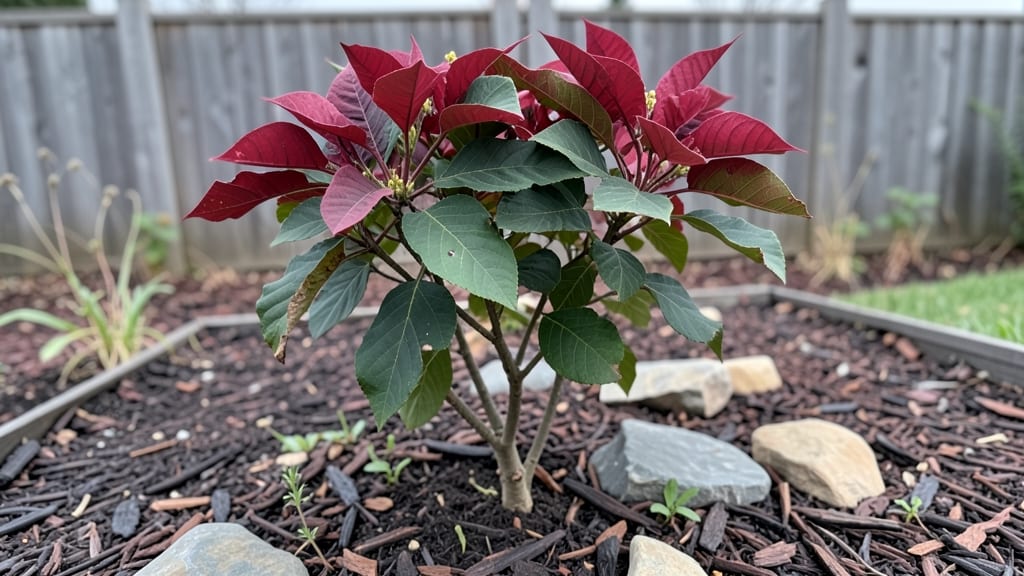
Creating an outdoor poinsettia garden transforms your yard into a year-round holiday wonderland that never fades. 🌿 I used to think poinsettias were just for Christmas, but after planting mine in a sheltered corner last summer, they’ve become the star of every season—especially when their deep red bracts glow against frost-kissed greenery.
The key is treating them like perennials, not annuals. Start with 3-5 plants in well-draining soil and a spot that gets morning sun but afternoon shade. Pair them with evergreen shrubs like boxwood or holly for structure, and add ornamental grasses for movement.
My favorite combo? A mix of red, pink, and white varieties to create a vibrant, layered look that feels intentional.
By late fall, your garden will burst with bold holiday colors that outshine any store-bought display. The secret? Prune lightly in spring, fertilize monthly, and mulch heavily to protect roots. Even in winter, the plants stay lush, their leaves turning a rich bronze that contrasts beautifully with snow.
Works in containers or in-ground, and thrives in zones 9-11 with a little winter protection. Here’s how to make it happen without the usual holiday rush—your yard will thank you all year long.
📚 In This Guide
- What you need
- Instructions
- Tips and common mistakes
- Wrapping up and next steps
What you need
- ● Poinsettia plants: 5–10 healthy Euphorbia pulcherrima plants (choose a mix of colors like red, pink, or white for variety). Opt for outdoor-rated varieties (e.g., 'Galaxy Red' or 'Ice Punch').
- ● Garden soil: 1–2 cubic yards of well-draining, slightly acidic soil (pH 6.0–6.5). Mix in 1 part perlite or sand per 3 parts soil to improve drainage.
- ● Containers or garden beds: Containers: 5–10 large pots (12–18 inches in diameter) with drainage holes. Use fiberglass, ceramic, or high-quality plastic to prevent root rot.
- ● Garden beds: A sunny, sheltered spot with 6+ hours of light daily and protection from strong winds.
- ● Fertilizer: A balanced, slow-release fertilizer (10-10-10 or 20-20-20) or an organic option like composted manure (apply every 4–6 weeks).
- ● Mulch: 2–3 inches of pine bark or wood chips to retain moisture and regulate soil temperature.
- ● Watering can or hose: With a gentle spray nozzle to avoid damaging delicate foliage.
- ● Pruning shears: Sharp, clean shears for trimming leggy stems (sterilize with rubbing alcohol between cuts).
- ● Garden gloves: Heavy-duty gloves to protect hands from milky sap (poinsettias contain a mild irritant).
- ● Decorative elements: Solar-powered lights, festive stakes, or themed planters to enhance your garden’s holiday vibe.
- ● Shade cloth: Lightweight 30–50% shade fabric for hot climates (poinsettias prefer 60–70°F temperatures).
- ● Soil moisture meter: To monitor water levels and prevent over/under-watering.
- ● Insecticidal soap or neem oil: For treating aphids or whiteflies (common poinsettia pests).
Step-by-step instructions for creating an outdoor poinsettia garden
Turn your outdoor space into a vibrant holiday showcase with these proven techniques for thriving poinsettias.
🌱 Step 1: Select the Right Varieties and Planting Location
Choose cold-hardy poinsettia varieties like 'Winter Rose' or 'Ice Punch' that tolerate temperatures down to 20°F—these are bred specifically for outdoor conditions. Avoid traditional holiday varieties unless you plan to bring them indoors before frost. Plant in a location that receives partial shade (morning sun with afternoon shade) to prevent leaf scorch while maintaining vibrant bract color.
Poinsettias thrive in well-draining soil with a slightly acidic pH (6.0-6.5). Amend heavy clay soil with 2-3 inches of compost mixed into the top 12 inches of planting area. Space plants 2-3 feet apart to allow airflow and prevent fungal diseases. This spacing also lets you appreciate their bold foliage and colorful bracts.
💧 Step 2: Plant and Water for Establishment
Dig holes twice as wide as the root ball but only as deep as the container. Gently remove plants from their pots and loosen any circling roots with your fingers. Place each plant in its hole, ensuring the top of the root ball sits flush with the soil surface—burying too deep can suffocate the stem. Backfill with native soil mixed with compost, tamping lightly to eliminate air pockets.
Water deeply right after planting to settle the soil and eliminate air gaps. Use 1-2 gallons of water per plant to ensure moisture reaches the root zone. Keep the soil evenly moist but not soggy for the first 2-3 weeks—this encourages strong root establishment. Mulch around the base with 2-3 inches of shredded bark to retain moisture and regulate soil temperature.
☀️ Step 3: Maintain Soil Moisture and Fertility
Poinsettias need consistent moisture to prevent stress-induced leaf drop. Water 2-3 times per week during dry spells, aiming for 1-1.5 inches of water weekly. Check moisture by sticking your finger 2 inches into the soil—if it feels dry, it's time to water. Avoid overhead watering, especially in the evening, to reduce fungal risks like powdery mildew.
Feed plants every 4-6 weeks with a balanced, slow-release fertilizer (10-10-10) applied at half-strength. Start fertilizing in early spring when new growth appears. Stop fertilizing 6-8 weeks before your first expected frost to encourage hardiness. Prune leggy stems in early spring to promote bushier growth—cut back to just above a leaf node where new shoots will emerge.
✂️ Step 4: Prepare for Winter and Encourage Holiday Color
To trigger vibrant holiday colors, poinsettias need 12+ hours of darkness daily for 6-8 weeks before your target display date. Start this process in late summer by covering plants with black fabric or a dark box from 5 PM to 8 AM daily. Remove the cover before sunrise to allow natural light. This darkness period signals the plant to produce colorful bracts instead of flowers.
Protect plants from frost with burlap wraps or frost cloth once temperatures drop below 30°F. In colder climates, dig up container-grown poinsettias and move them to an unheated garage or shed. Keep them barely moist and in bright light until spring. Prune back by one-third in early spring to encourage fresh growth and remove any damaged stems from winter exposure.
🌿 Step 5: Prune and Divide for Next Season's Growth
After the holiday season, cut back stems to 4-6 inches above the soil line in late winter. This drastic pruning stimulates new growth and prevents the plant from becoming woody. Apply a high-nitrogen fertilizer in early spring to encourage leafy regrowth. Young plants may take 8-10 weeks to recover, so start this process early.
Divide mature clumps every 3-4 years in early spring to rejuvenate plants. Dig up the entire plant and separate sections with a clean knife, ensuring each division has 3-5 stems. Replant divisions immediately in fresh soil and water thoroughly. This process prevents overcrowding and revitalizes older plants that may produce fewer bracts over time.
Tips & tricks for perfect outdoor poinsettia gardens
Transforming your yard into a year-round poinsettia display requires more than just planting—it's about creating the right conditions for these vibrant plants to thrive through every season. Here's what I've learned after perfecting my own outdoor poinsettia garden.
Variety Selection Matters: The cold-hardy varieties like 'Winter Rose' and 'Ice Punch' are specifically bred to handle temperatures down to 20°F, but don't assume all poinsettias can survive outdoors. Traditional holiday varieties often can't withstand freezing temperatures—confession: I ruined three batches of regular poinsettias before learning this lesson. These cold-hardy varieties also produce more vibrant colors when exposed to outdoor conditions.
The Darkness Trick for Holiday Colors: For those show-stopping reds and pinks, you absolutely need that 12+ hours of darkness daily for 6-8 weeks before your target display date. Here's what nobody tells you—the timing matters just as much as the darkness. Start this process in late summer, not fall, to give your plants enough time to develop their full color potential. I use black fabric draped over a simple frame for easy coverage, and always remove it before sunrise to let the plants get their morning light.
Soil Preparation is Non-Negotiable: That slightly acidic pH (6.0-6.5) is crucial, but don't just take my word for it—test your soil first. If your yard has heavy clay soil, you'll need to amend it with 2-3 inches of compost mixed into the top 12 inches. I've seen poinsettias struggle in unamended clay soil even when given perfect care otherwise. The key is creating that well-draining environment that mimics their natural tropical habitat while still being cold-hardy.
Winter Protection Strategy: When temperatures drop below 30°F, it's time to act. For in-ground plants, use burlap wraps or frost cloth—these provide just enough protection without smothering the plants. For container-grown poinsettias in colder climates, I've found that moving them to an unheated garage with bright light works wonders. The trick is keeping them barely moist during winter dormancy—overwatering can lead to root rot in cold conditions.
Pro Tips for Outdoor Poinsettia Garden
- Transforming your yard into a year-round poinsettia display requires more than just planting—it's about creating the right conditions for these vibrant plants to thrive through every season.
- Variety Selection Matters: The cold-hardy varieties like 'Winter Rose' and 'Ice Punch' are specifically bred to handle temperatures down to 20°F, but don't assume all poinsettias can survive outdoors.
- The Darkness Trick for Holiday Colors: For those show-stopping reds and pinks, you absolutely need that 12+ hours of darkness daily for 6-8 weeks before your target display date.
Frequently asked questions
Got questions about creating your own outdoor poinsettia garden? You’re not alone! Here are some of the most common concerns—and their answers—to help you plan with confidence.
Can poinsettias survive outdoors year-round in colder climates?
Poinsettias are tropical plants, so they’re not frost-hardy. In zones 9-11, they can thrive outdoors year-round with proper winter protection (like mulch or frost cloth). In colder areas, treat them as annuals or overwinter them indoors near a sunny window. Pro tip: Bring potted plants inside before temps drop below 40°F!
How long does it take for outdoor poinsettias to bloom?
With the right care, outdoor poinsettias typically bloom 8–12 weeks after exposure to 12+ hours of darkness per night (starting in early October). For consistent color, start the "dark treatment" in late September. Fun fact: They need total darkness—no peeking!
What’s the best way to overwinter poinsettias outdoors?
Cut back foliage, wrap pots in burlap, and bury them in mulch or move to a sheltered spot (like a garage). In warmer zones, plant them in the ground with a thick layer of straw mulch. Prune back in early spring to encourage new growth. Warning: Avoid soggy soil—root rot is a silent killer!
Are there poinsettia varieties that do better in outdoor gardens?
Yes! Look for outdoor-specific varieties like Euphorbia pulcherrima ‘Galaxy’ or ‘Prestige,’ which handle heat and humidity better. Dwarf varieties (like ‘Tiny Tiki Torch’) are great for containers. Bonus: Some modern hybrids bloom in pink, white, or even bi-color!
What pests should I watch for in an outdoor poinsettia garden?
Keep an eye out for aphids, whiteflies, and spider mites—they love poinsettias! Neem oil or insecticidal soap works well for mild infestations. For severe cases, introduce beneficial insects like ladybugs. Prevention tip: Prune regularly to improve airflow and reduce hiding spots.
Can I propagate my outdoor poinsettias to save money?
In early spring, take 4–6 inch cuttings from healthy stems, dip in rooting hormone, and plant in moist soil. Keep them warm and humid (a plastic bag helps!). Roots should form in 2–4 weeks. Pro move: Label your cuttings—some varieties can take a year to mature!
Wrapping up and next steps
Creating an outdoor poinsettia garden is a fantastic way to bring bold, festive color to your space year-round—not just during the holidays! 🌟 With the right care, these vibrant plants can thrive in containers, borders, or even as stunning focal points.
Whether you’re a seasoned gardener or just starting, the key is choosing the right varieties, providing proper light, and staying consistent with watering and protection.
Now that you’re armed with tips and answers, take the next step! Start small with a single pot or go big with a full garden bed—your vision is the only limit. Grab your gloves, pick your poinsettias, and let your creativity bloom! Happy planting! 🌱