
Shrubs
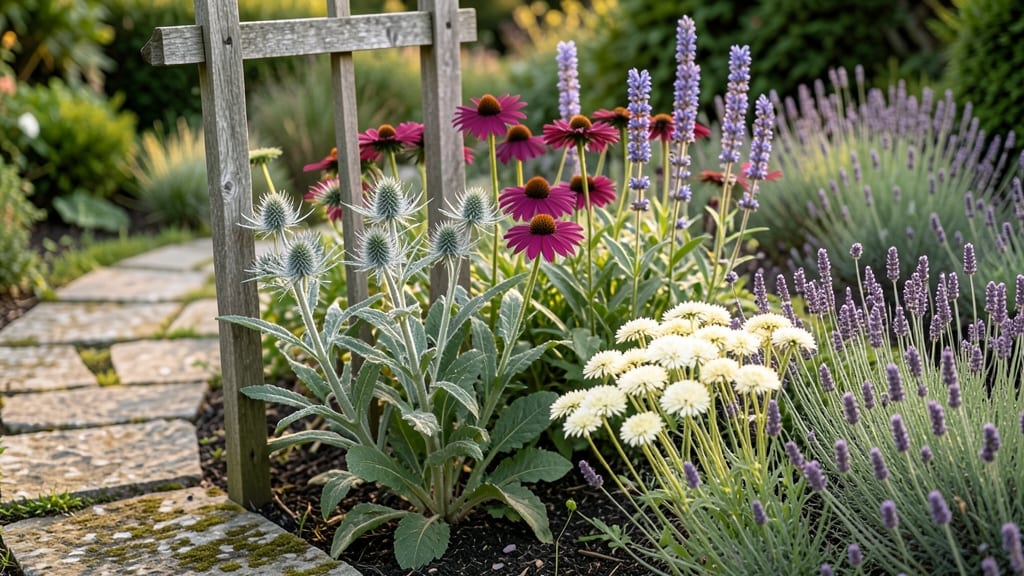
Piet Oudolf's small gardens prove you don’t need acres to create a lush, ever-changing landscape. His approach—layering perennials by height and texture—transforms tight spaces into dynamic, low-maintenance havens that thrive year-round.
I’ve tested his principles in my own 10x12-foot courtyard, and the results are shockingly lush: velvety foliage in winter, delicate blooms in spring, and golden seed heads that feed birds through fall.
The secret lies in smart combinations: tall grasses like Miscanthus at the back, mid-height perennials like Echinacea and Rudbeckia in the middle, and ground-hugging Sedum or Heuchera up front. Oudolf’s rule of thumb?
Let plants self-seed and spread naturally—no fuss, just beauty. My 3-foot-tall Achillea now spills over the edges, creating a soft, cloud-like effect that looks intentional (even if it’s just a little too enthusiastic).
What you’ll get is a garden that feels wild but never out of control. The textures alone—smooth Hosta leaves, feathery Origanum, and spiky Stipa—create depth without needing a single square foot of extra space.
And because perennials return every year, your investment in plants pays off for decades. The best part? Once established, these gardens require almost no maintenance—just occasional deadheading and an annual top-dressing of compost.
This works for balconies, narrow sideyards, or even window boxes—just scale the plants. Urban dwellers can adapt Oudolf’s methods with container gardens, while suburban plots gain structure without sacrificing natural beauty. Let’s bring that effortless elegance to your space, no matter how small.
📚 In This Guide
- What you need
- Instructions
- Tips and common mistakes
- Wrapping up and next steps
What you need
- ● Perennials (mix of heights & textures): 1-3 Grasses (e.g., Miscanthus sinensis, Calamagrostis acutiflora)
- ● 3-5 Ornamental grasses (e.g., Pennisetum alopecuroides, Carex oshimensis)
- ● 2-4 Shrubs (e.g., Spiraea japonica, Weigela florida, Hydrangea paniculata)
- ● 5-8 Perennial flowers (e.g., Echinacea purpurea, Rudbeckia fulgida, Salvia nemorosa)
- ● 1-2 Bulbs (e.g., Allium, Daffodils, Tulips for early spring color)
- ● Mulch: 2-3 bags of organic mulch (e.g., shredded bark or wood chips) to retain moisture and suppress weeds.
- ○ Soil amendments (optional but recommended): 1 bag of compost (for nutrient-rich soil)
- ● 1 bag of perlite or sand (for drainage in heavier clay soils)
- ● Essential tools: 1 garden trowel (for transplanting small plants)
- ● 1 hand pruners (sharp and clean for trimming)
- ● 1 garden fork (for aerating soil)
- ● 1 wheelbarrow or bucket (for transporting materials)
- ● 1 hose with spray nozzle or watering can
- ○ Optional (but helpful): 1 soil pH tester (to ensure optimal growing conditions)
- ● 1 kneeling pad (for comfort during planting)
- ● 1 gloves (to protect your hands)
- ● Location: A small space (e.g., courtyard, balcony, or backyard corner) with 4+ hours of sunlight daily (adjust for shade-tolerant plants if needed).
- ● Soil prep: Loose, well-draining soil (amend with compost if your soil is heavy or sandy).
- ● Design plan: Sketch a rough layout to balance heights, textures, and seasonal blooms (Oudolf loves layered, "wild" looks!).
- ● Water access: Ensure a nearby source for consistent (but not excessive) watering.
Instructions for designing a Piet Oudolf-inspired small garden
Here's how to create a low-maintenance, textured garden that thrives in small spaces year after year.
Assess Your Space and Light Conditions
Begin by mapping your garden's light exposure—this determines which plants will thrive. Piet Oudolf's designs emphasize native perennials and grasses that naturally adapt to local conditions. Measure your space to ensure you can accommodate at least 3 layers of plant height: tall backdrops (like ornamental grasses), mid-height perennials, and low ground covers. Shade-tolerant varieties like heuchera or ajuga work well in areas with less than 4 hours of sun, while sun-lovers such as echinacea or rudbeckia need full sun (6+ hours daily).
Take note of any microclimates—corners with reflected heat or sheltered spots where frost lingers. These nuances influence plant selection. For example, if your garden has morning sun and afternoon shade, opt for plants like cimicifuga or astilbe, which tolerate partial shade but still provide structure. Sketch a rough layout, marking where each layer will go—this prevents overcrowding and ensures every inch contributes to the garden's rhythm.
Select Plants for Seasonal Interest and Texture
Oudolf’s philosophy revolves around layered textures and ever-changing color palettes. Start with 3-5 perennial staples that offer year-round interest: early bloomers like heliotrope or pulmonaria for spring, mid-season stars like echinacea or salvia, and late-season performers like sedum or asters. Pair these with ornamental grasses (such as miscanthus or panicum) for movement and winter structure. Avoid single-season plants—they create dead zones when they fade.
Focus on foliage as much as flowers. Plants like hostas, ferns, or lamb’s ear add softness, while savory or Russian sage contribute silvery-blue hues and aromatic foliage. Group plants in odd-numbered clusters (3, 5, or 7) to create natural-looking drifts. For example, place 5 stems of echinacea together rather than spacing them evenly—this mimics how plants grow in the wild and reduces maintenance.
Prepare the Soil for Drainage and Nutrient Retention
Oudolf’s gardens thrive because the soil is well-draining yet moisture-retentive. Test your soil’s drainage by digging a 6-inch hole, filling it with water, and timing how long it takes to drain. If water pools after 30+ minutes, amend with 2-3 inches of compost and 1 inch of coarse sand to improve aeration. For heavy clay, mix in peat moss or coconut coir to lighten the texture. Avoid tilling—this disrupts soil structure and beneficial microbes.
Spread a 2-inch layer of mulch (such as cedar chips or straw) over the soil surface to suppress weeds and retain moisture. Mulch also protects roots from temperature swings, which is critical for tender perennials. Water deeply after amending the soil to help organic matter settle. Over the next 2-3 weeks, monitor soil moisture—it should stay consistently damp but not soggy. This preparation ensures plants establish strong root systems before the first winter.
Plant in Drifts and Maintain Open Spaces
Unlike traditional garden beds, Oudolf’s designs leave negative space—areas intentionally left empty to highlight plant forms. Plant in loose, natural drifts rather than rigid rows. For example, if you’re installing 50 stems of sedum, space them 12-18 inches apart in a 3-foot-wide swath, allowing stems to spill slightly over the edges. This creates a soft, organic edge that feels wild yet intentional. Avoid planting in perfect circles or squares—these patterns look forced and disrupt the garden’s natural flow.
Dig holes twice as wide as the root ball but only as deep as the container’s base. Gently tease apart roots if they’re circling, then backfill with native soil mixed with a handful of compost. Water each plant deeply to eliminate air pockets. Step back and assess the spacing—you should be able to walk between drifts without brushing against foliage. This open approach reduces competition for water and nutrients while allowing air circulation, which prevents fungal diseases.
Establish a Low-Maintenance Care Routine
Oudolf’s gardens require minimal intervention once established. Water deeply once a week during the first growing season to encourage deep root growth, then taper to every 10-14 days once plants are established. Use a soaker hose or drip irrigation to deliver water at the soil level—this reduces evaporation and prevents fungal issues on foliage. Avoid overhead watering, especially in the evening, as damp leaves invite powdery mildew.
Prune once a year, in early spring or late winter, before new growth begins. Cut back dead or damaged stems to the ground, but leave seed heads and dried foliage until late winter. These structures provide winter interest, food for birds, and habitat for beneficial insects. In early spring, remove only the most unsightly debris, leaving the rest for texture. Fertilize lightly once in early spring with a balanced, slow-release fertilizer—Oudolf’s plants thrive in lean soil, so avoid heavy feeding, which promotes weak, floppy growth.
Tips & tricks for perfect Piet Oudolf-inspired small gardens
Creating a Piet Oudolf-inspired garden isn't just about planting—it's about crafting a living tapestry that evolves with the seasons. Here's how to elevate your design beyond the basics.
Layering for Visual Impact: When implementing the three-layer height structure from Step 1, consider the seasonal progression of each layer. Place taller grasses like miscanthus at the back, but choose varieties that develop winter interest—some turn golden or rust-colored when dormant. Mid-height perennials like echinacea should be positioned where they'll catch morning light for maximum bloom visibility, while low ground covers like ajuga create living mulch that suppresses weeds naturally. The key is to ensure each layer complements the others not just in height, but in seasonal color transitions.
Plant Selection Nuances: In Step 2, when selecting your 3-5 perennial staples, prioritize plants with architectural foliage that remains attractive even when not in bloom. For example, Russian sage's silvery-blue foliage provides structure throughout summer, while its lavender flowers appear later in the season. Similarly, hostas offer lush green leaves that contrast beautifully with grasses. Pro tip: Purchase plants in late summer or early fall when they're often discounted, but still have time to establish roots before winter. This gives you stronger, more mature plants for spring planting.
Soil Preparation Insight: The soil amendment process in Step 3 requires patience—don't rush the 2-3 week monitoring period. During this time, observe how water behaves in your amended soil. If you notice water pooling after 15 minutes (rather than the target 30+ minutes), you may need to add more sand or organic matter. Conversely, if water disappears too quickly, incorporate more compost to improve moisture retention. This careful balance creates the perfect growing medium that mimics Oudolf's native plant environments.
Planting Technique: When implementing the drift planting method from Step 4, consider using a garden flag or stake to mark the center of each drift before planting. This helps maintain symmetry in your natural-looking clusters. For plants with fibrous root systems like echinacea, gently spread the roots outward when planting to encourage wider establishment. This technique creates fuller plants that fill their designated space more quickly, reducing the need for future thinning.
Pro Tips for Piet Oudolf Small Gardens
- Creating a Piet Oudolf-inspired garden isn't just about planting—it's about crafting a living tapestry that evolves with the seasons.
- Layering for Visual Impact: When implementing the three-layer height structure from Step 1, consider the seasonal progression of each layer.
- Plant Selection Nuances: In Step 2, when selecting your 3-5 perennial staples, prioritize plants with architectural foliage that remains attractive even when not in bloom.
Frequently asked questions
1. What’s the best way to layer plants in a small Piet Oudolf-style garden?
Start with a tall, structural backbone (like grasses or shrubs), add mid-height perennials for texture, and fill gaps with low-growing ground covers or bulbs. Oudolf’s magic? Mixed heights and textures create depth—even in tight spaces. Prioritize seasonal interest (e.g., spring bulbs + summer blooms + winter seed heads).
2. Can I adapt Oudolf’s style to a tiny urban balcony or courtyard?
Opt for container-friendly plants like carex sedges, heuchera, or dwarf ornamental grasses. Use vertical space with trellises or hanging baskets (e.g., fuchsia or clematis). Even a 4’x4’ area can thrive with 3–5 key plants arranged in odd-numbered clusters for natural flow.
3. How much maintenance does a low-fuss Oudolf garden really require?
Less than you’d think! Deadheading isn’t mandatory—leave seed heads for winter interest. Water deeply but infrequently (once established, most perennials tolerate drought). Divide clumps every 3–4 years to keep plants vigorous. Mulch annually to suppress weeds and retain moisture. Pro tip: Group plants by water needs to simplify care.
4. What are the most resilient plants for small gardens in hot/dry climates?
Oudolf’s drought-tolerant superstars include:
- Lavender (fragrant + pollinator magnet)
- Russian sage (Perovskia) (silvery foliage + purple blooms)
- Yarrow (Achillea) (ferns-like leaves + flat-topped flowers)
- Ornamental grasses (e.g., Panicum or Stipa)
- Succulents/sedums (e.g., Hylotelephium)
5. How do I troubleshoot a garden that’s not thriving like Oudolf’s?
Start with these fixes:
Too much shade? Swap sun-lovers for hostas, astilbes, or ferns.
Overcrowded? Thin out plants or divide clumps in early spring.
Weeds taking over? Add a living mulch layer (e.g., creeping thyme or ajuga).
No blooms? Ensure plants get 6+ hours of sun and fertilize lightly in spring.
Remember: Oudolf’s gardens evolve! Patience and observation are key.Wrapping up and next steps
Piet Oudolf’s small gardens prove that big beauty thrives in tiny spaces—with the right plants, textures, and a little intentional design. 🌿 Whether you’re working with a balcony, courtyard, or cozy backyard, his approach of layering perennials and grasses ensures year-round interest with minimal upkeep.
The key? Start small, think bold, and let nature do the rest.
Ready to transform your space? Sketch a rough layout, pick 2-3 standout plants from Oudolf’s palette, and begin layering—your future self (and pollinators!) will thank you. Grab your pruners and get planting!